Science & conservation
Upwellings, El Niño, Cabo Pulmo's recovery and the science behind the Sea of Cortez.
8 articles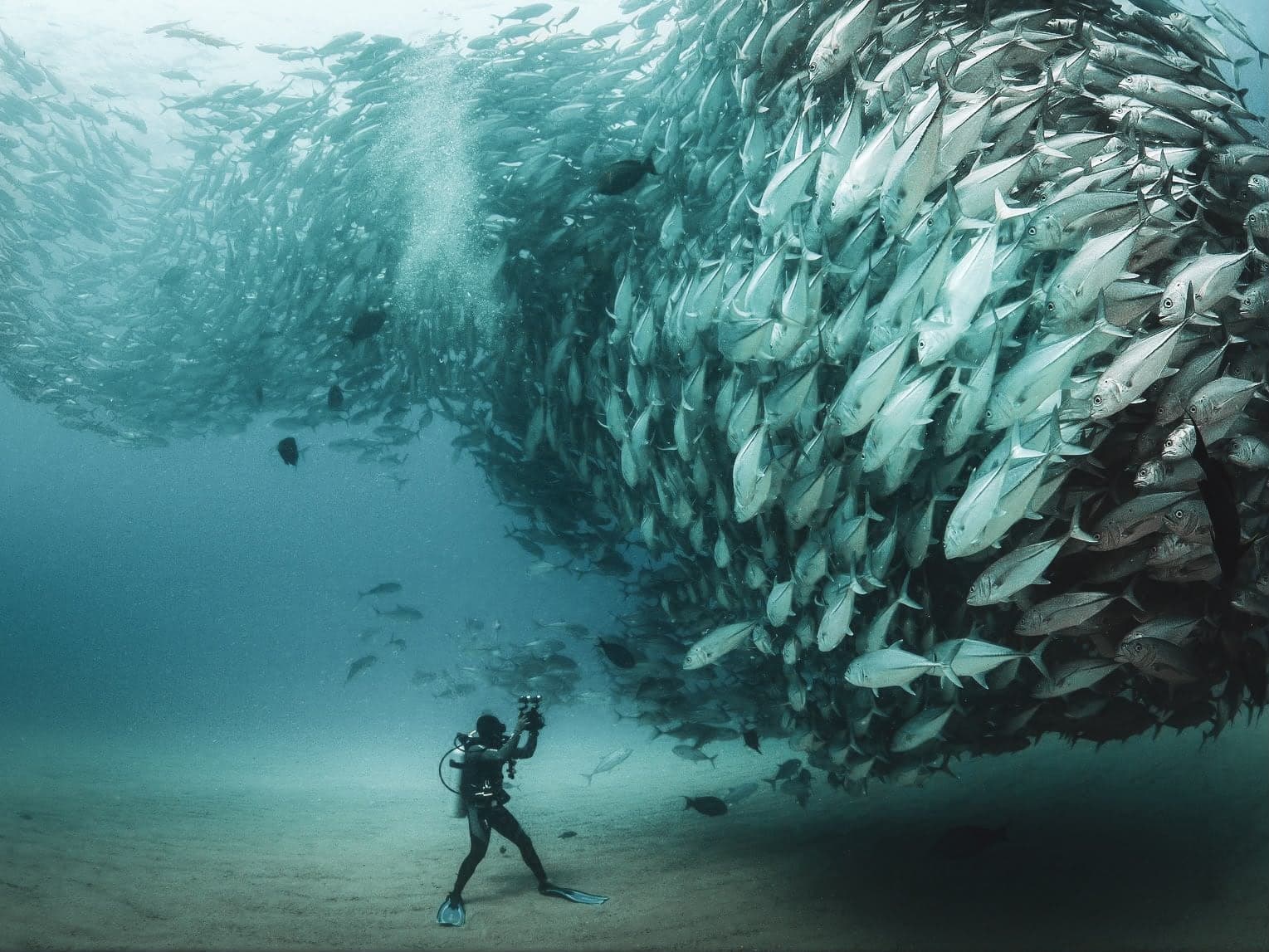
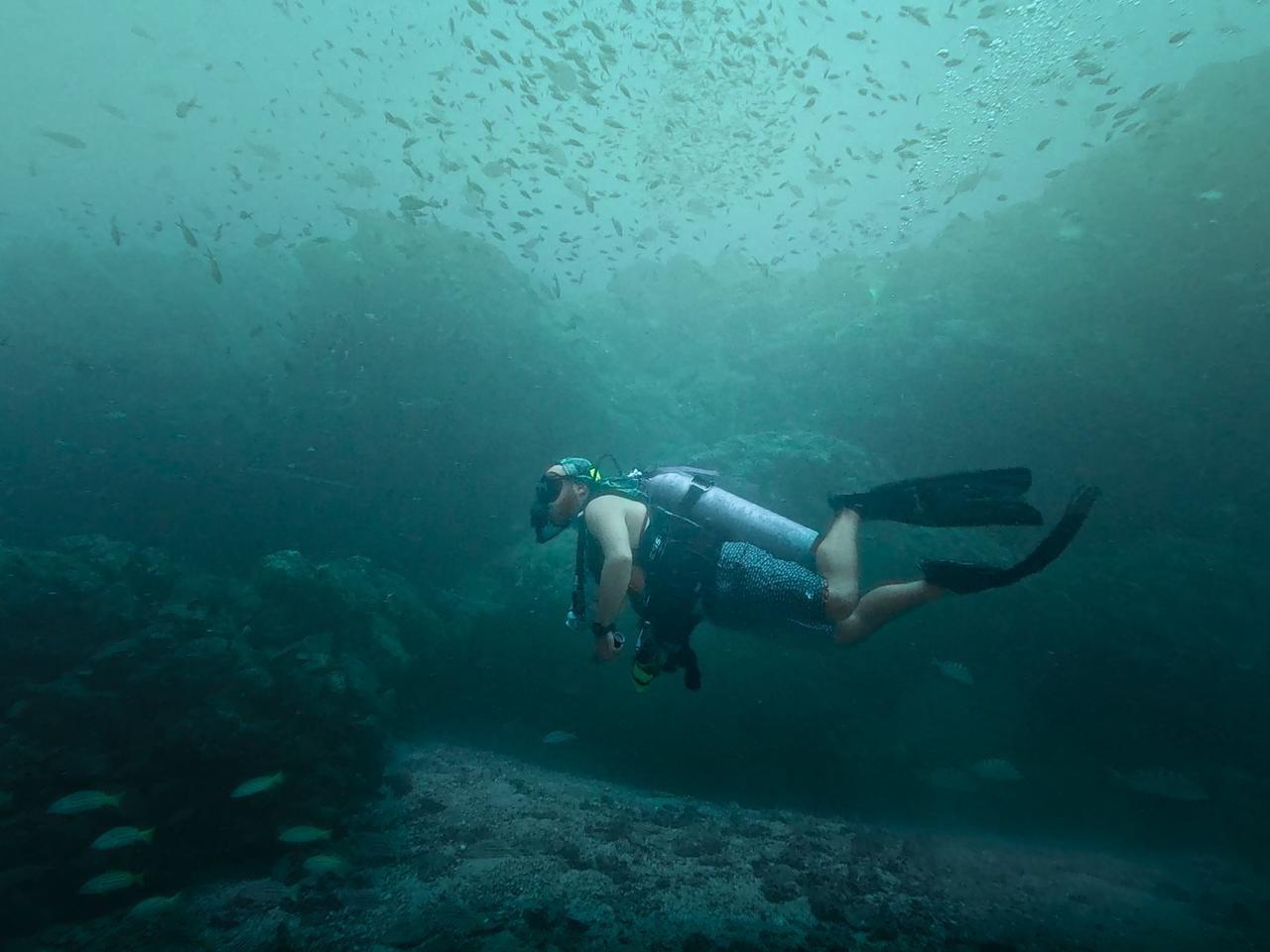
Cabo Pulmo: the reef that came back to life (and why scientists study it)
A fishing village stopped fishing and in ten years fish biomass grew almost sixfold. This is the story of Cabo Pulmo, told with data.
How do El Niño and La Niña change Sea of Cortez wildlife?
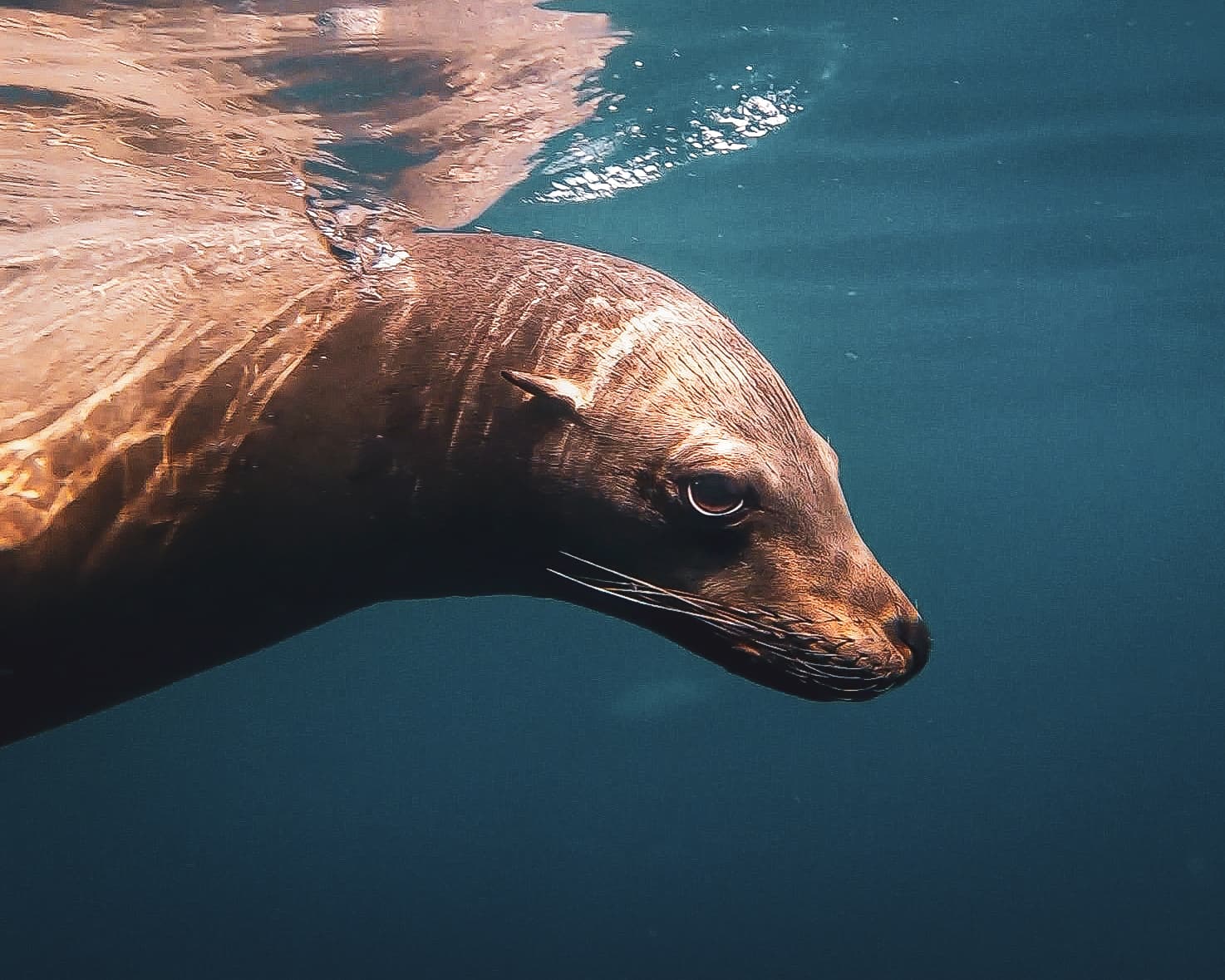
Fewer whale sharks, sea lion mothers traveling farther and sardines that don't spawn: this is what El Niño feels like underwater, according to science.
Why use biodegradable sunscreen in La Paz? What the rules and science say
It's not a trend, it's the rule: swimming with whale sharks requires biodegradable sunscreen. And science has good reasons to ask for it across the whole sea.
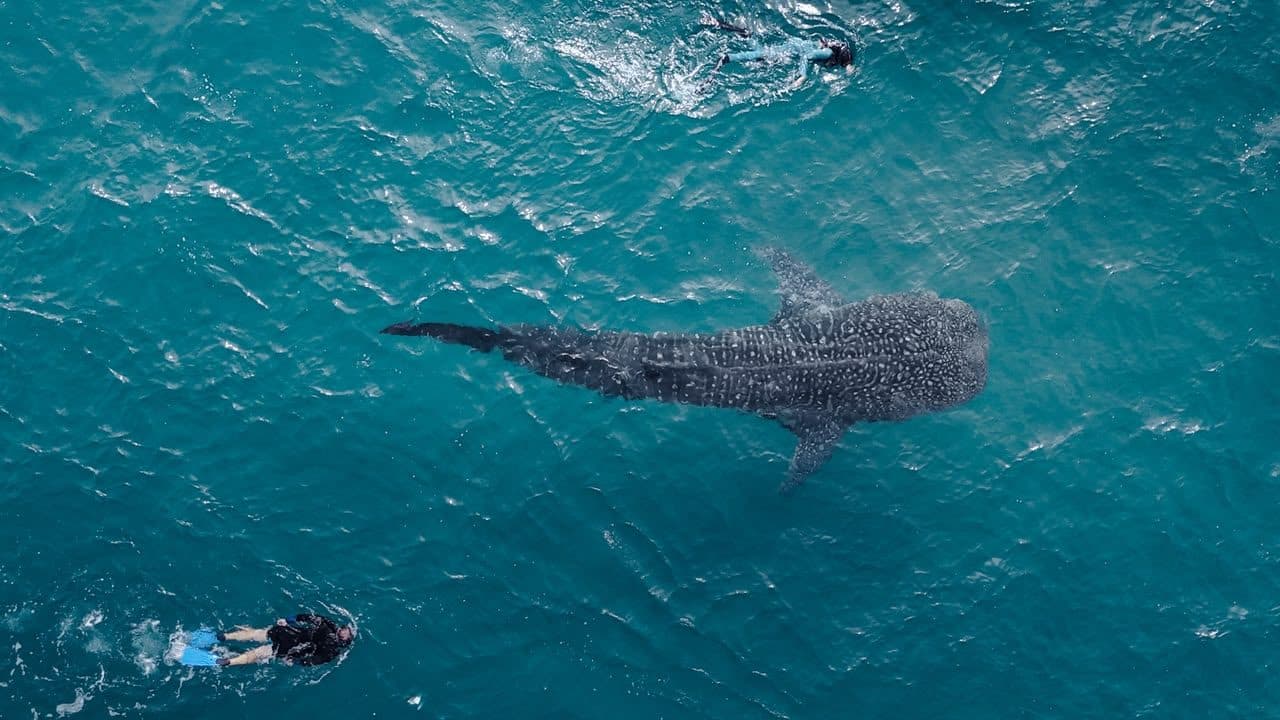
How do scientists recognize each whale shark? Photo-identification explained
Spots like fingerprints, satellite tags and underwater microphones: this is how scientists study the giants of the Sea of Cortez.
What is upwelling? The invisible engine of Baja California's Pacific
The wind pushes the sea, the Earth spins and deep water rises full of nutrients. This process explains why Baja California's Pacific is so full of life.

Super El Niño 2026: what's happening in Baja California Sur's sea and what it means for the Sardine Run
The Pacific is warming like few times since 1950, and the sea off Magdalena Bay is already feeling it. We explain with data what's happening and what could change.
The Blob: the marine heatwave that changed Baja California's Pacific
Hammerhead sharks where they'd never been seen, plankton cut in half and pelicans that didn't nest. This was the Pacific's most famous marine heatwave, seen from Magdalena Bay.
Sardines vs. anchovies: the Pacific's 50-year cycles (and why science is revisiting them)
In the 1970s the Pacific shifted from an "anchovy regime" to a sardine one, and back in the 1990s. It's one of oceanography's most famous stories.