How do scientists recognize each whale shark? Photo-identification explained
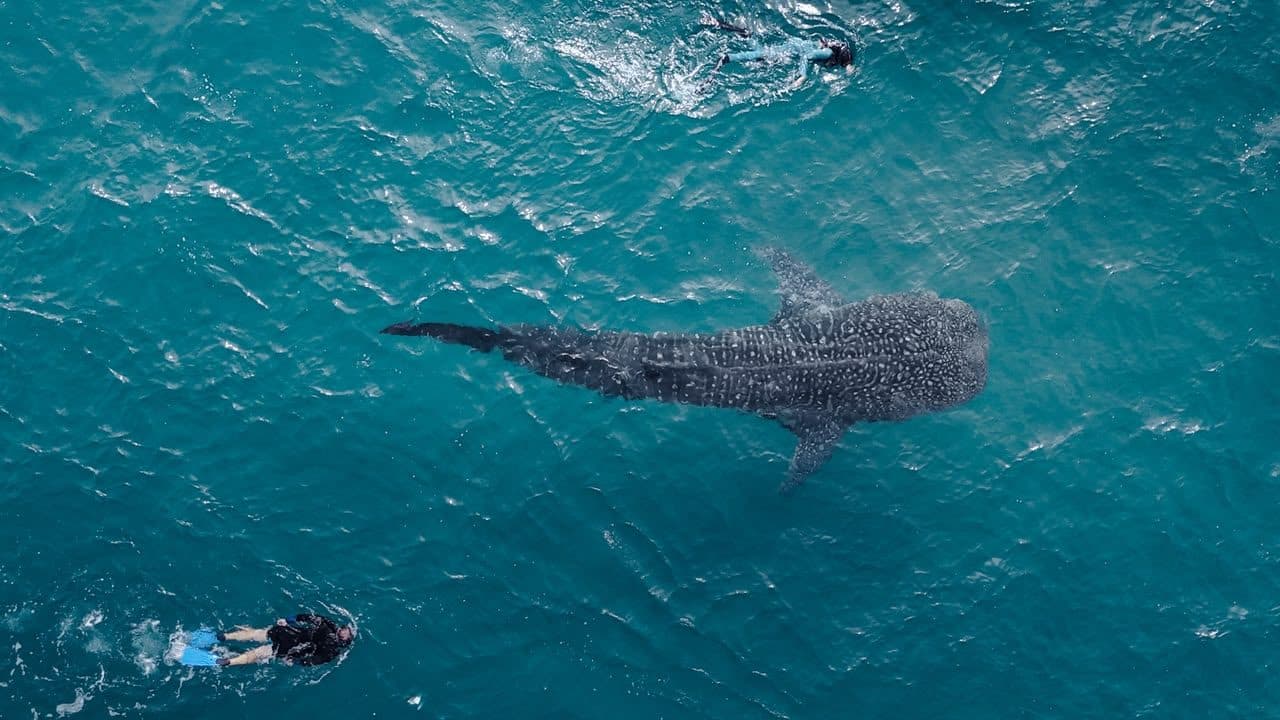
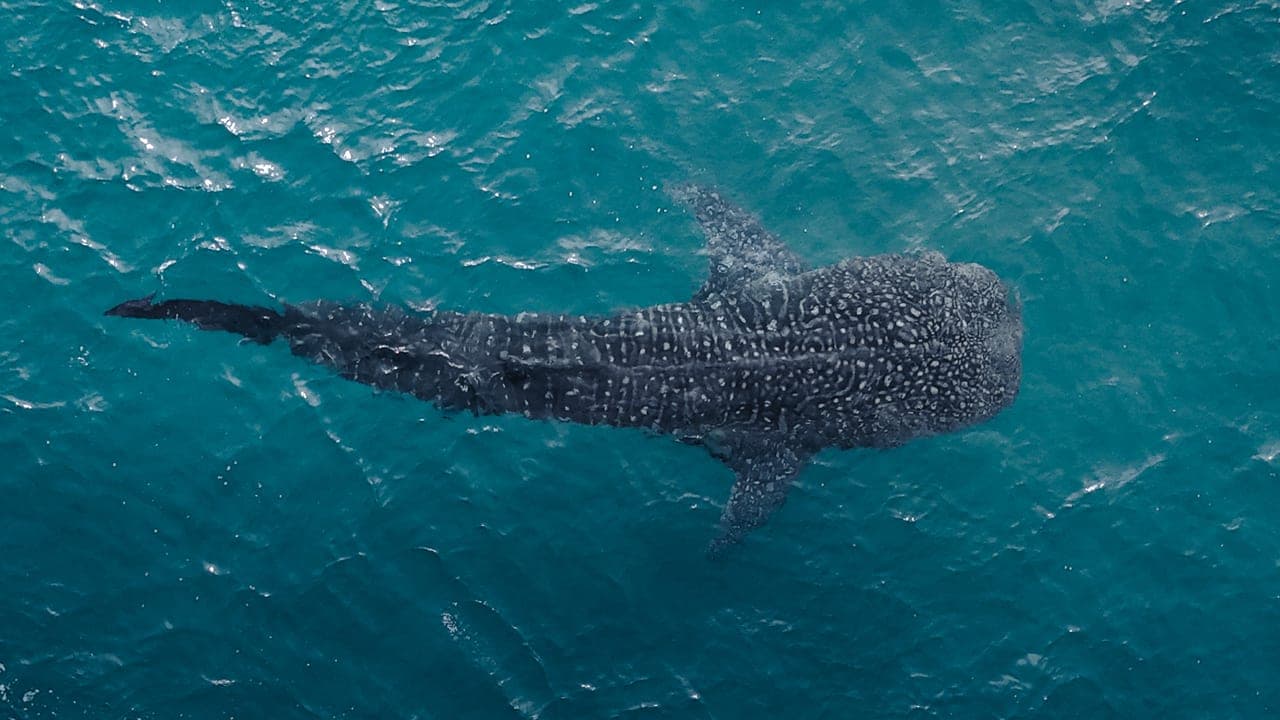
Through photo-identification: every whale shark has a unique spot pattern, like a fingerprint, and scientists compare photos to recognize each individual. Using 1,784 photographs, one study identified 251 sharks in the Gulf of California and found that juveniles return to the bay of La Paz year after year [1].
When you swim next to a whale shark you might not know it, but that animal probably already has a "name" in a scientific database. And it may have been coming back to the same bay for years.
Spots that work like fingerprints
Each whale shark's pattern of spots and lines is unique. That's why a good photo of its side can be used to recognize it later. It's called photo-identification, and it's one of marine biology's most powerful (and least invasive) tools.
What's been discovered in the Gulf of California
- Between 2003 and 2009, using 1,784 photographs, researchers identified 251 sharks: 129 in Bahía de los Ángeles and 125 in the bay of La Paz [1].
- Juveniles come back year after year to both bays: they're not permanent residents, but they use the area regularly [1].
- 26 juveniles traveled between Bahía de los Ángeles and the bay of La Paz, hundreds of kilometers apart [1].
- Between 2015 and 2018, 73 to 129 different sharks per season were recorded in La Paz, most of them males [2].
- With 15 years of photo-ID, another study linked how many sharks show up to water temperature and to El Niño and La Niña [3].
Not just sharks
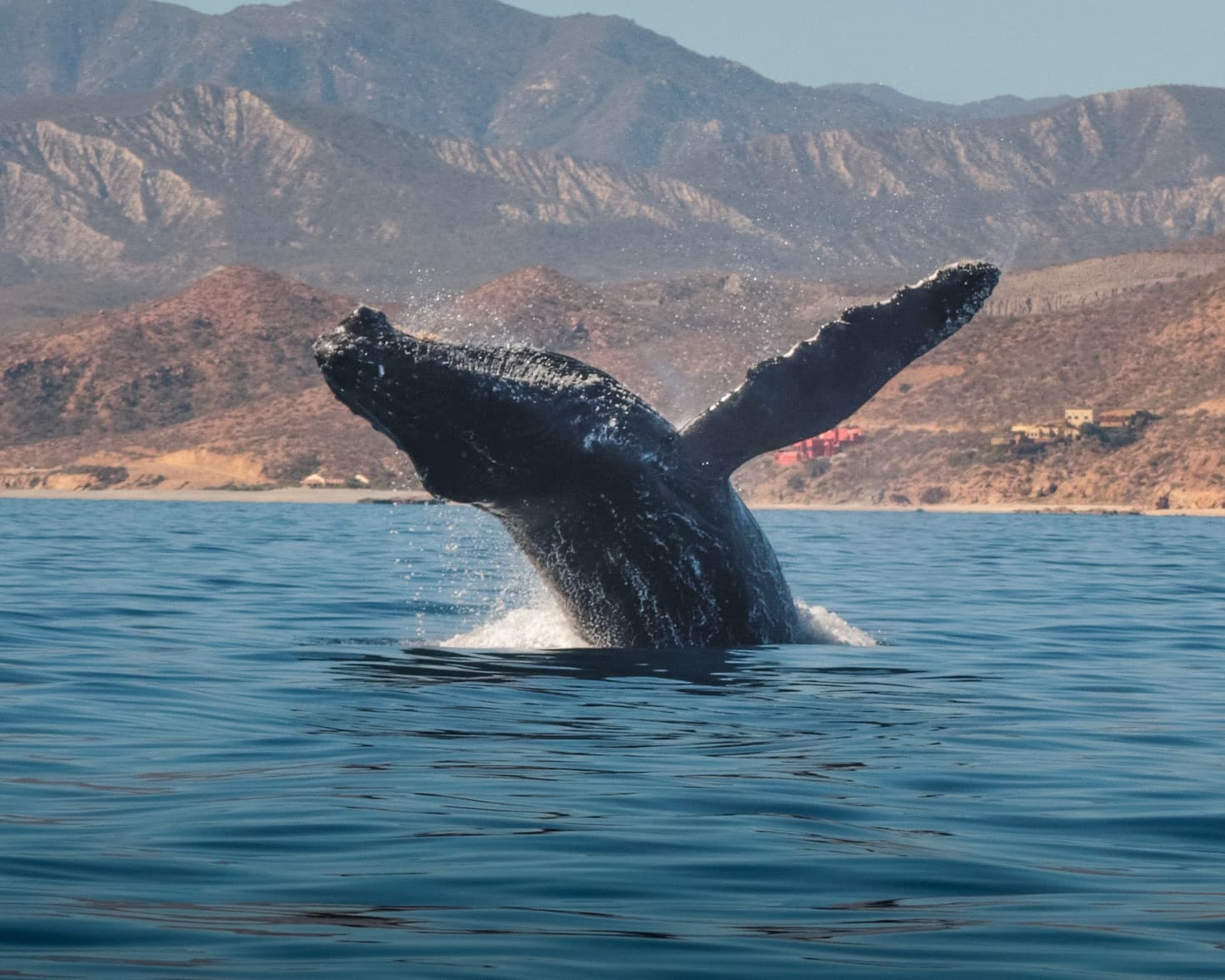
The same technique is used with whales: humpbacks are recognized by the black-and-white pattern on their tails, and back in the 1980s photo-ID was already suggesting there were more humpbacks in the Mexican Pacific than previously thought [4].
Other ways to study the giants
- Satellite tags: that's how the gray whale "María" was followed on an 11,387 km trip from Los Cabos to Alaska [5]. Read her story.
- Underwater microphones: 4,953 hours of recordings detected 15,539 blue whale calls and revealed that the Gulf is their winter breeding ground [6].
- Drones, spotter planes and citizen science: that's how the mobula "courtship vortex" in La Ventana was documented, including reports from non-scientist observers [7].
When you come to swim with whale sharks, remember: you're not seeing "a" shark. You're seeing an individual with its own story.
Experience it with Keabelmet

Frequently asked questions
How do you tell one whale shark from another?
By its spot pattern, which is unique to each individual; scientists compare it in photographs [1].
Do whale sharks come back to La Paz?
Yes. Photo-identification showed that juveniles return to the bay of La Paz year after year [1].
How many whale sharks are there in La Paz?
Between 2015 and 2018, 73 to 129 different individuals were recorded per season [2].
Scientific sources
The wildlife, season and geography facts in this article come from these publications. The [n] citations in the text link here.
- Ramírez-Macías, D., Vázquez-Haikin, A. & Vázquez-Juárez, R. (2012). Whale shark Rhincodon typus populations along the west coast of the Gulf of California and implications for management. Endangered Species Research 18(2): 115–128. doi.org/10.3354/esr00437
- Whitehead, D. A., Petatán-Ramírez, D., Olivier, D., González-Armas, R., Pancaldi, F. & Galván-Magaña, F. (2019). Seasonal trends in whale shark Rhincodon typus sightings in an established tourism site in the Gulf of California, Mexico. Journal of Fish Biology 95(3): 982–984. doi.org/10.1111/jfb.14106
- Ornelas, T., García-Baciero, A., Moreno-Mendoza, J., Crespo-Neto, O., Tollrian, R. & Ramírez-Macías, D. (2026). Influence of oceanographic and atmospheric parameters on whale shark Rhincodon typus abundance in Bahía de La Paz, Mexico. Marine Ecology Progress Series 788: 1–15. doi.org/10.3354/meps15136
- Urbán R., J. & Aguayo L., A. (1987). Spatial and seasonal distribution of the humpback whale, Megaptera novaeangliae, in the Mexican Pacific. Marine Mammal Science 3(4): 333–344. doi.org/10.1111/j.1748-7692.1987.tb00320.x
- Urbán R., J., Jiménez-López, E., Guzmán, H. M. & Viloria-Gómora, L. (2021). Migratory behavior of an Eastern North Pacific gray whale from Baja California Sur to Chirikov Basin, Alaska. Frontiers in Marine Science 8: 619290. doi.org/10.3389/fmars.2021.619290
- Paniagua-Mendoza, A., Gendron, D., Romero-Vivas, E. & Hildebrand, J. A. (2017). Seasonal acoustic behavior of blue whales (Balaenoptera musculus) in the Gulf of California, Mexico. Marine Mammal Science 33(1): 206–218. doi.org/10.1111/mms.12362
- Palacios, M. D., et al. (2023). Reproductive behavior, seasonality, and distribution of three devil ray species (Mobula mobular, M. thurstoni, and M. munkiana) in the Southern Gulf of California, Mexico. Marine Biology 171(1): 12. doi.org/10.1007/s00227-023-04314-0