When to swim with whale sharks in La Paz: season, months and what the science says
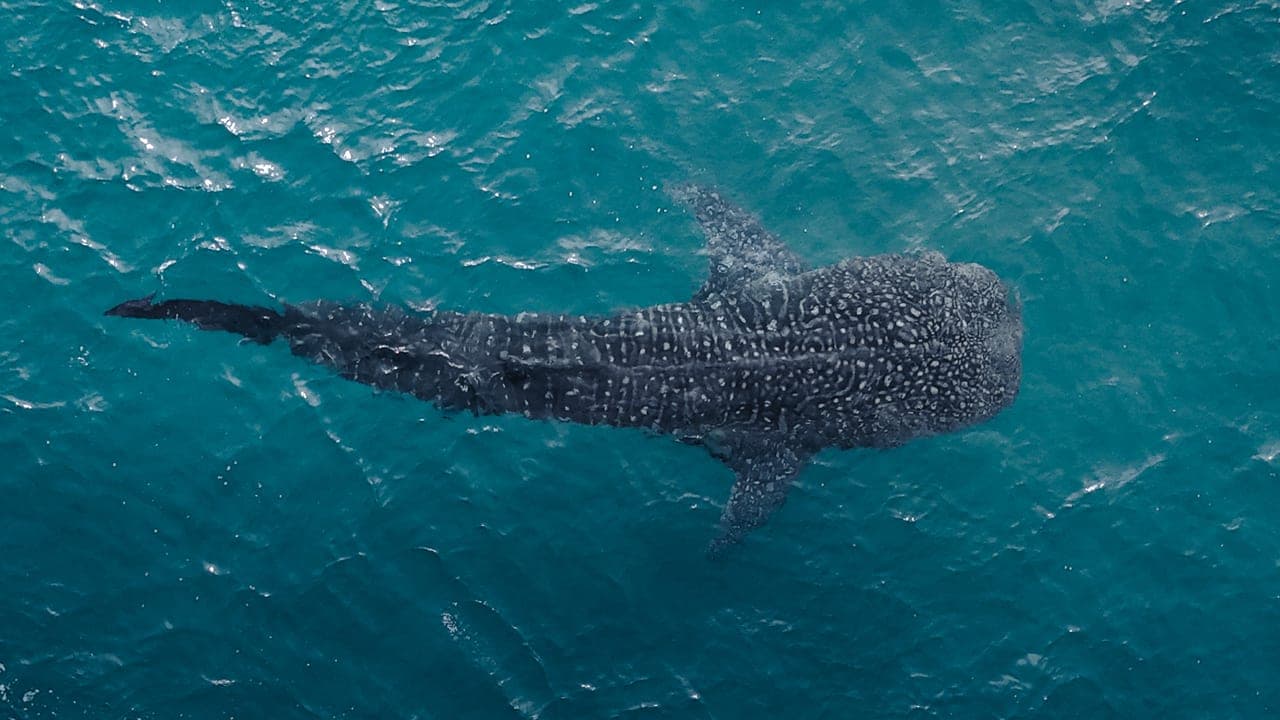
The official whale shark swimming season in La Paz runs from October 1 to April 30 (2026-2027 season) [4]. Juveniles gather in the bay every year between October and May, and their numbers change from year to year with water temperature, ocean productivity and events like El Niño and La Niña [1].
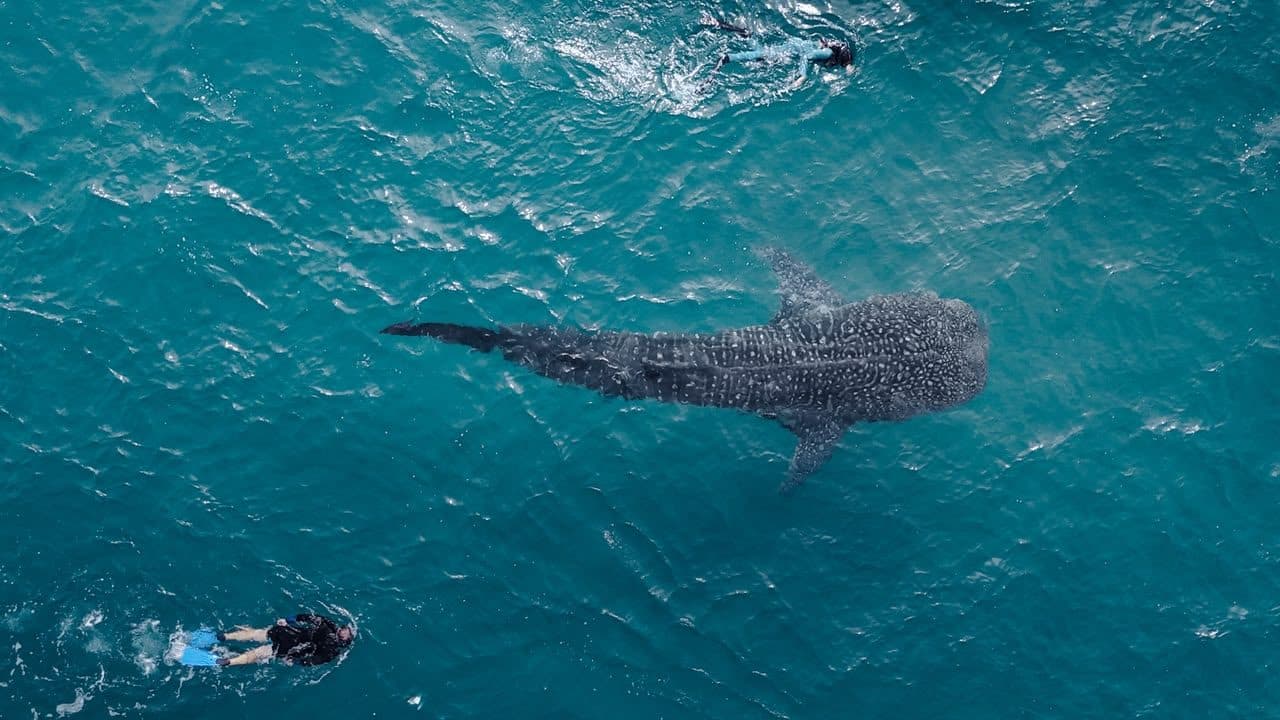
If you're planning a trip to Baja California Sur dreaming of swimming next to the biggest fish on the planet, the key question is when. The good news: La Paz is one of the few places in the world where whale sharks come back year after year, just minutes from the malecón.
The official season: October to April
Swimming with whale sharks in the bay of La Paz is regulated by Mexico's environmental agency (Semarnat), which publishes a notice with the season dates every year. For 2026-2027 the season runs from October 1, 2026 to April 30, 2027 [4]. Outside those dates the activity isn't allowed, even if a shark is around.
Science backs up that calendar: a 15-year photo-identification study found that juvenile whale sharks gather every year between October and May in the bay of La Paz [1].
How many whale sharks are there in La Paz?
More than you'd think. Between October 2015 and March 2018, researchers recorded 73 to 129 different sharks per season, 1,662 individual sightings in total, and most of them were males [2]. Every whale shark has a unique spot pattern, like a fingerprint, which is how scientists tell them apart.
Why are some years better than others?
Here's the interesting part. A study published in 2026 analyzed 15 years of data and found that whale shark abundance in La Paz depends mainly on water temperature, chlorophyll (an indicator of how much food there is) and the Oceanic Niño Index [1]. Warmer water favors their presence, and both El Niño and La Niña disrupt the aggregations [1].
That's why some seasons are spectacular and others are slow. In January 2025, for example, official monitoring counted very few sharks and Semarnat temporarily suspended swimming [5]. For the 2026-2027 season the official notice requires at least six sharks in the authorized zone; with five or fewer, boats don't go out [4].
Which departure time is best?
At Keabelmet we run three departures during the season: 8:00, 11:00 and 13:00. The 8:00 trip is the longest (about 3 hours) because we're the first ones out looking for the sharks; the others last about 2 hours and usually find them already located. No time is better than another, each one feels different. If you can, we recommend the morning.
| Month | Can you swim? | Notes |
|---|---|---|
| May – September | No | Outside the official season |
| October – November | Yes | Start of the season; depends on how many sharks arrive |
| December – February | Yes | Heart of the season |
| March – April | Yes | End of the official season (closes April 30) |
Bottom line
Come between October and April, book with an authorized operator and keep in mind that these are wild animals: nature decides how many show up. To learn the rules of the encounter, read how to swim with whale sharks responsibly.
Experience it with Keabelmet

Frequently asked questions
What is the best month to see whale sharks in La Paz?
The official season runs October to April, and juveniles gather in the bay between October and May [1]. No month is guaranteed: the number of sharks changes each year with water temperature and events like El Niño [1].
Can you swim with whale sharks in summer?
No. Outside the official season (October 1 – April 30) the activity is not allowed in the bay of La Paz [4].
What happens if there aren't enough sharks?
Authorities suspend the trips. For 2026-2027 at least six sharks are required in the authorized zone [4]. It already happened in January 2025 [5].
Are the whale sharks in La Paz adults?
No. Only juveniles, mostly small ones, have been found in the bay of La Paz, and they return year after year [3].
Scientific sources
The wildlife, season and geography facts in this article come from these publications. The [n] citations in the text link here.
- Ornelas, T., García-Baciero, A., Moreno-Mendoza, J., Crespo-Neto, O., Tollrian, R. & Ramírez-Macías, D. (2026). Influence of oceanographic and atmospheric parameters on whale shark Rhincodon typus abundance in Bahía de La Paz, Mexico. Marine Ecology Progress Series 788: 1–15. doi.org/10.3354/meps15136
- Whitehead, D. A., Petatán-Ramírez, D., Olivier, D., González-Armas, R., Pancaldi, F. & Galván-Magaña, F. (2019). Seasonal trends in whale shark Rhincodon typus sightings in an established tourism site in the Gulf of California, Mexico. Journal of Fish Biology 95(3): 982–984. doi.org/10.1111/jfb.14106
- Ramírez-Macías, D., Vázquez-Haikin, A. & Vázquez-Juárez, R. (2012). Whale shark Rhincodon typus populations along the west coast of the Gulf of California and implications for management. Endangered Species Research 18(2): 115–128. doi.org/10.3354/esr00437
- Maya Comunicación (2026). Tiburón ballena en La Paz: sin seis ejemplares, no hay nado (aviso de la Semarnat para la temporada 2026-2027). Nota periodística. mayacomunicacion.com.mx/tiburon-ballena-la-paz-temporada-202…
- Semanario Zeta (2025). Por baja presencia de especímenes, suspenden nado con el tiburón ballena. Nota periodística. zetatijuana.com/2025/02/por-baja-presencia-de-especimenes-su…