Which whales can you see in Baja California Sur, and when?
In Baja California Sur you can see at least five whale species: gray whales (January–March, Pacific lagoons) [6], humpbacks (September–April along the southern peninsula coast) [2], blue whales (the Gulf is their winter breeding ground) [3], and fin and Bryde's whales, both present in the Gulf of California [4][5].
A blow on the horizon. Then another. And the inevitable question on the boat: "which whale is it?". In Baja California Sur the answer can be surprising, because some of the largest whales in the world cross paths here.
A sea of cetaceans
The islands and protected areas of the Gulf of California hold a third of the world's cetacean species [1]. These are the whales you're most likely to meet:
| Species | When | Where |
|---|---|---|
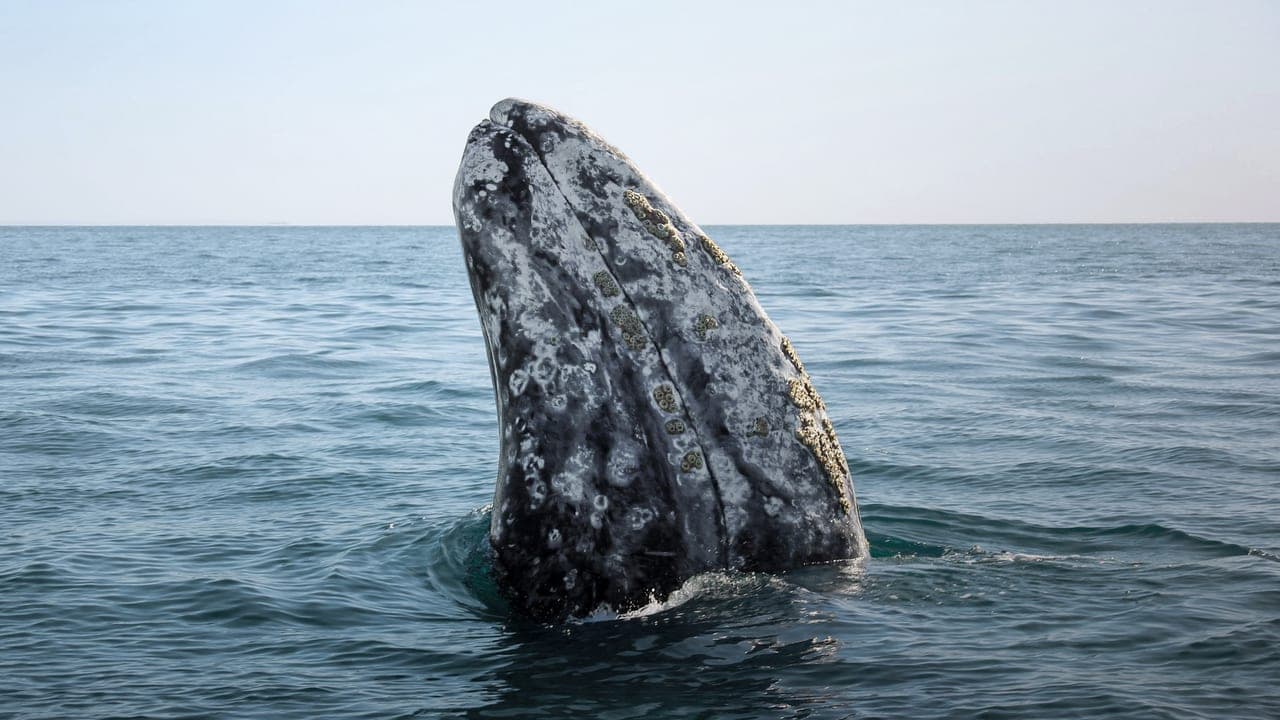
| Gray whale | January – March (calves born early January to mid-February) [6] | Pacific lagoons (Magdalena Bay, Puerto Chale) |
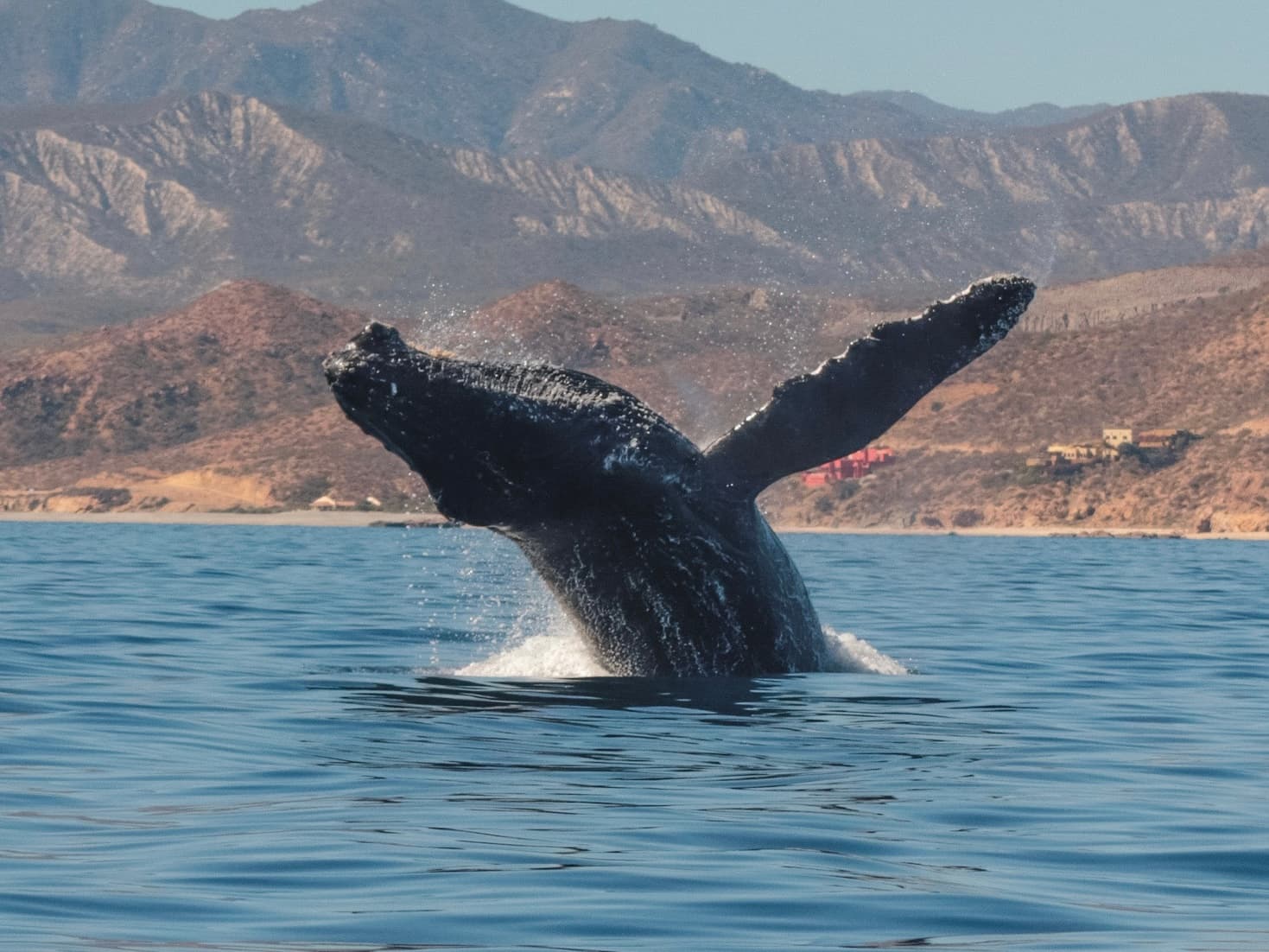
| Humpback whale | September – April along southern Baja California [2] | Southern peninsula coast; in the northern Gulf reported year-round [2] |
| Blue whale | Winter and spring [3] | Gulf of California: enters from the south and moves north [3] |
| Fin whale | Present in the Gulf [5] | Gulf of California |
| Bryde's whale | Present in the Gulf [4] | Gulf of California |
The gray whale: the friendliest
It winters in the Pacific lagoons of Baja California, where its calves are born [6]. It's famous because, in some lagoons, it voluntarily approaches boats. Read when and where to see gray whales.
The humpback: the acrobat
A study from 1981 to 1986 divided the Mexican Pacific into four humpback distribution zones. Along the southern coast of Baja California they were seen from September to April, possibly indicating a shorter migration route; in the northern Gulf of California they've been reported year-round, even feeding in summer and winter [2].
The blue whale: the largest animal on Earth
Six years of acoustic monitoring showed that the Gulf of California works as a winter breeding ground for Northeast Pacific blue whales [3]. Their song also reveals a journey: they enter from the south (Punta Pescadero), move north (Canal de Ballenas and Isla Tiburón) and head back south in March [3].
Fin and Bryde's whales: the lesser-known ones
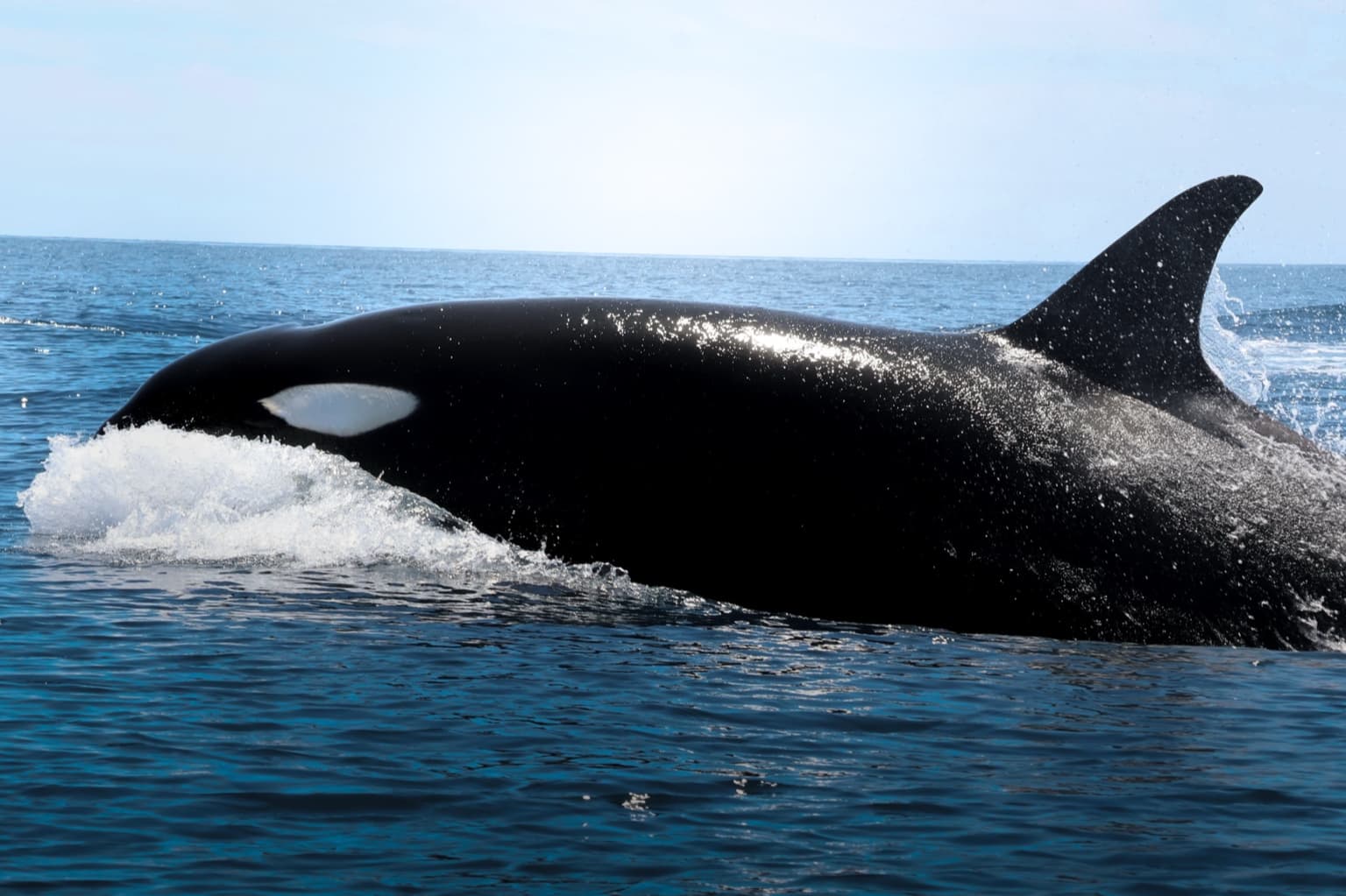
The Bryde's whale lives in the Gulf, and its vocal repertoire is still being discovered: three call types never reported before for the species were identified in the Gulf of California [4]. The fin whale is present too; a 2025 study even documented orcas hunting fin and Bryde's whales off the coast of Sonora [5]. Read are there orcas in the Sea of Cortez?.
Where to see them with Keabelmet
- Gray whales in Puerto Chale: January to March, from La Paz.
- La Ventana Ocean Safari: in the cooler months different whales can show up in the Cerralvo channel, along with dolphins and mobula rays.
Experience it with Keabelmet


Frequently asked questions
Are there whales in La Paz?
The Gulf of California has humpback, blue, fin and Bryde's whales [2][3][4][5]. Gray whales winter on the Pacific side [6].
When are humpback whales in Baja California Sur?
Along the southern coast of Baja California they've been observed from September to April [2].
Can you see blue whales in Baja California Sur?
Yes, the Gulf of California is a winter breeding ground for this population; in March they move back south [3].
Can you swim with whales in Mexico?
No. Whales are watched from the boat, respecting distance and regulations.
Scientific sources
The wildlife, season and geography facts in this article come from these publications. The [n] citations in the text link here.
- UNESCO World Heritage Centre (2005). Islands and Protected Areas of the Gulf of California. Lista del Patrimonio Mundial (sitio 1182). whc.unesco.org/en/list/1182/
- Urbán R., J. & Aguayo L., A. (1987). Spatial and seasonal distribution of the humpback whale, Megaptera novaeangliae, in the Mexican Pacific. Marine Mammal Science 3(4): 333–344. doi.org/10.1111/j.1748-7692.1987.tb00320.x
- Paniagua-Mendoza, A., Gendron, D., Romero-Vivas, E. & Hildebrand, J. A. (2017). Seasonal acoustic behavior of blue whales (Balaenoptera musculus) in the Gulf of California, Mexico. Marine Mammal Science 33(1): 206–218. doi.org/10.1111/mms.12362
- Viloria-Gómora, L., Romero-Vivas, E. & Urbán R., J. (2015). Calls of Bryde's whale (Balaenoptera edeni) recorded in the Gulf of California. The Journal of the Acoustical Society of America 138(5): 2722–2725. doi.org/10.1121/1.4932032
- Gallo-Reynoso, J., Barba-Acuña, I., Guerrero-Ruiz, M., Mellink, E., Egido-Villarreal, J., Flores-Morán, A. & Pérez-Puig, H. (2025). Killer whales (Orcinus orca) predation on mysticetes in the Gulf of California, Mexico. Latin American Journal of Aquatic Mammals 20(2): 136–143. doi.org/10.5597/lajam00360
- NOAA Fisheries (2024). Gray Whale (Eschrichtius robustus). National Oceanic and Atmospheric Administration, ficha de especie. www.fisheries.noaa.gov/species/gray-whale