Cabo Pulmo: the reef that came back to life (and why scientists study it)
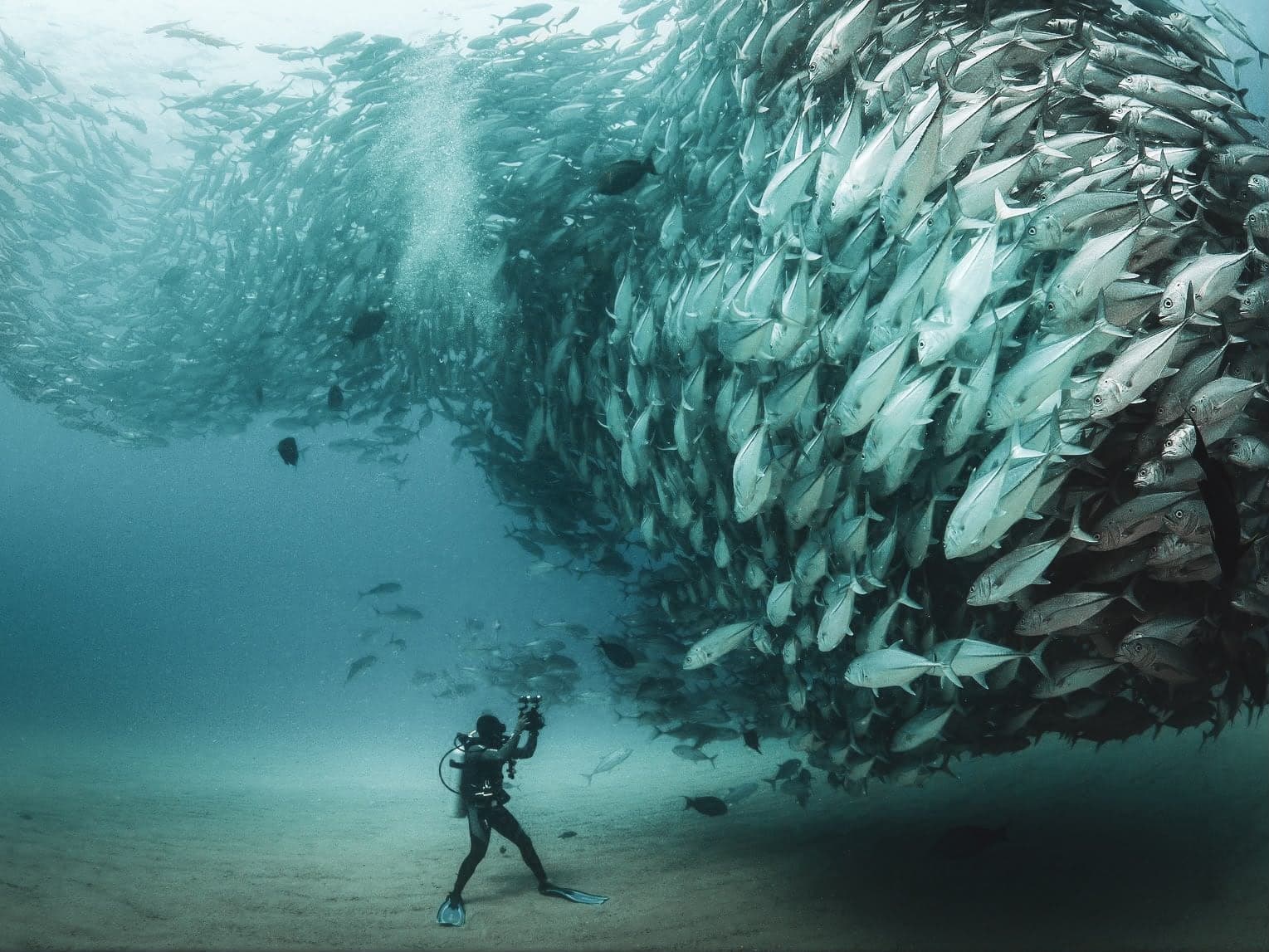
Cabo Pulmo is a National Park created in 1995 where, because the community stopped fishing, fish biomass went from 0.75 to 4.24 tonnes per hectare between 1999 and 2009: an increase of 463%. It's the largest absolute increase in fish biomass ever measured in a marine reserve worldwide [1].
If anyone ever told you the ocean is beyond saving, Cabo Pulmo is the best answer. Diving there means stepping into living proof that, given a chance, the sea recovers.
A village that chose to protect instead of fish
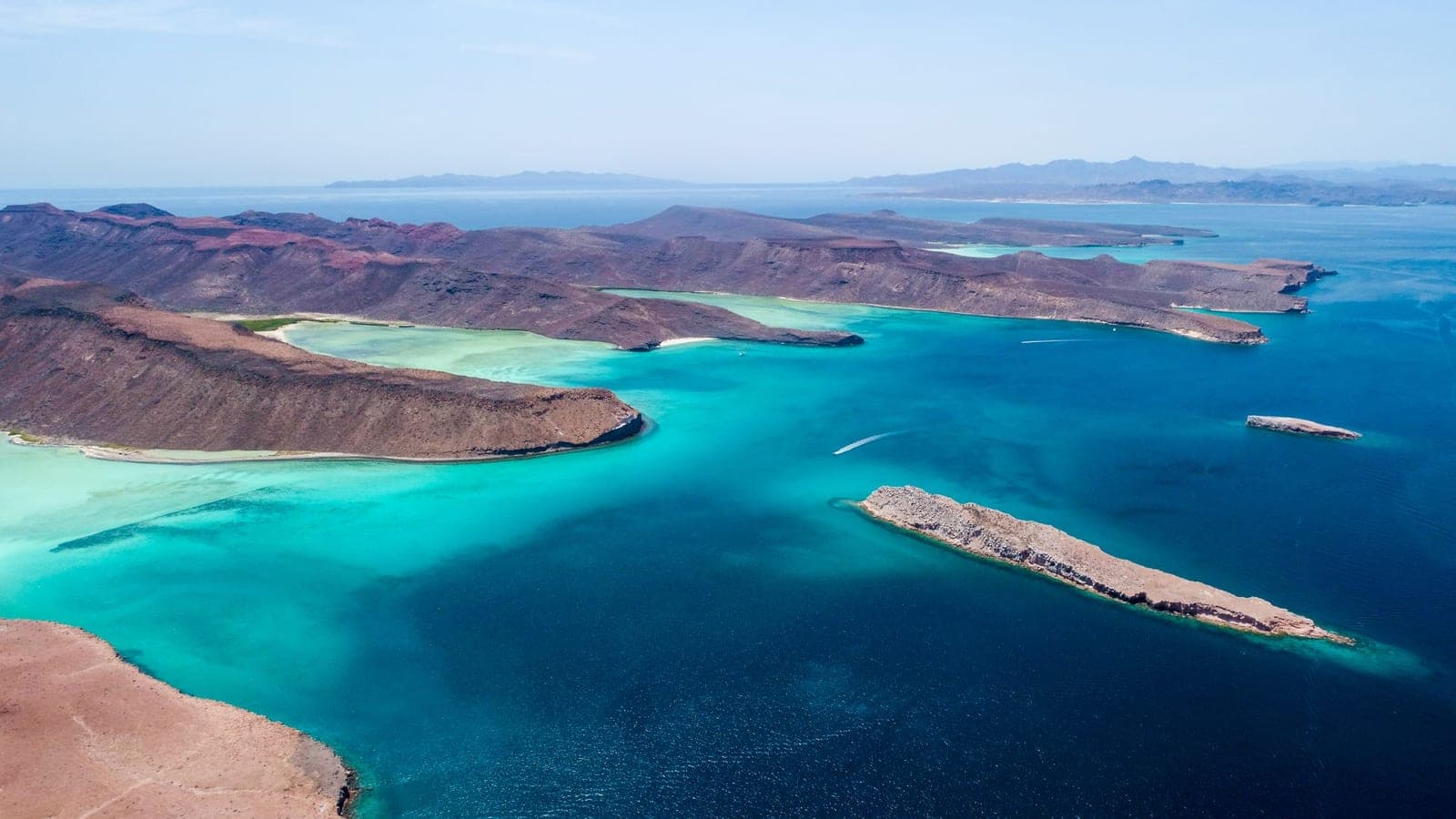
Cabo Pulmo National Park was created in 1995 and is the only well-enforced no-take area in the Gulf of California, mostly because of broad support from the local community [1]. Cabo Pulmo is part of the UNESCO World Heritage Site Islands and Protected Areas of the Gulf of California [2].
The recovery in numbers
In 1999, four years after the reserve was created, fish biomass in Cabo Pulmo was no different from other areas of the Gulf [1]. Ten years later, it was a different story:
| Indicator | 1999 | 2009 |
|---|---|---|
| Total fish biomass | 0.75 t/ha | 4.24 t/ha (+463%) [1] |
| Top predators | Baseline | 11 times more [1] |
| Carnivores | Baseline | 4 times more [1] |
| Other protected and open-access areas in the Gulf | No significant change | No significant change [1] |
Why did it work?
Scientists attribute it to a mix of social and ecological factors: strong community leadership, social cohesion and effective enforcement [1]. The recovery also brought significant economic benefits to the community [1]. It wasn't just a law: it was a village that kept it.
What diving Cabo Pulmo is like today
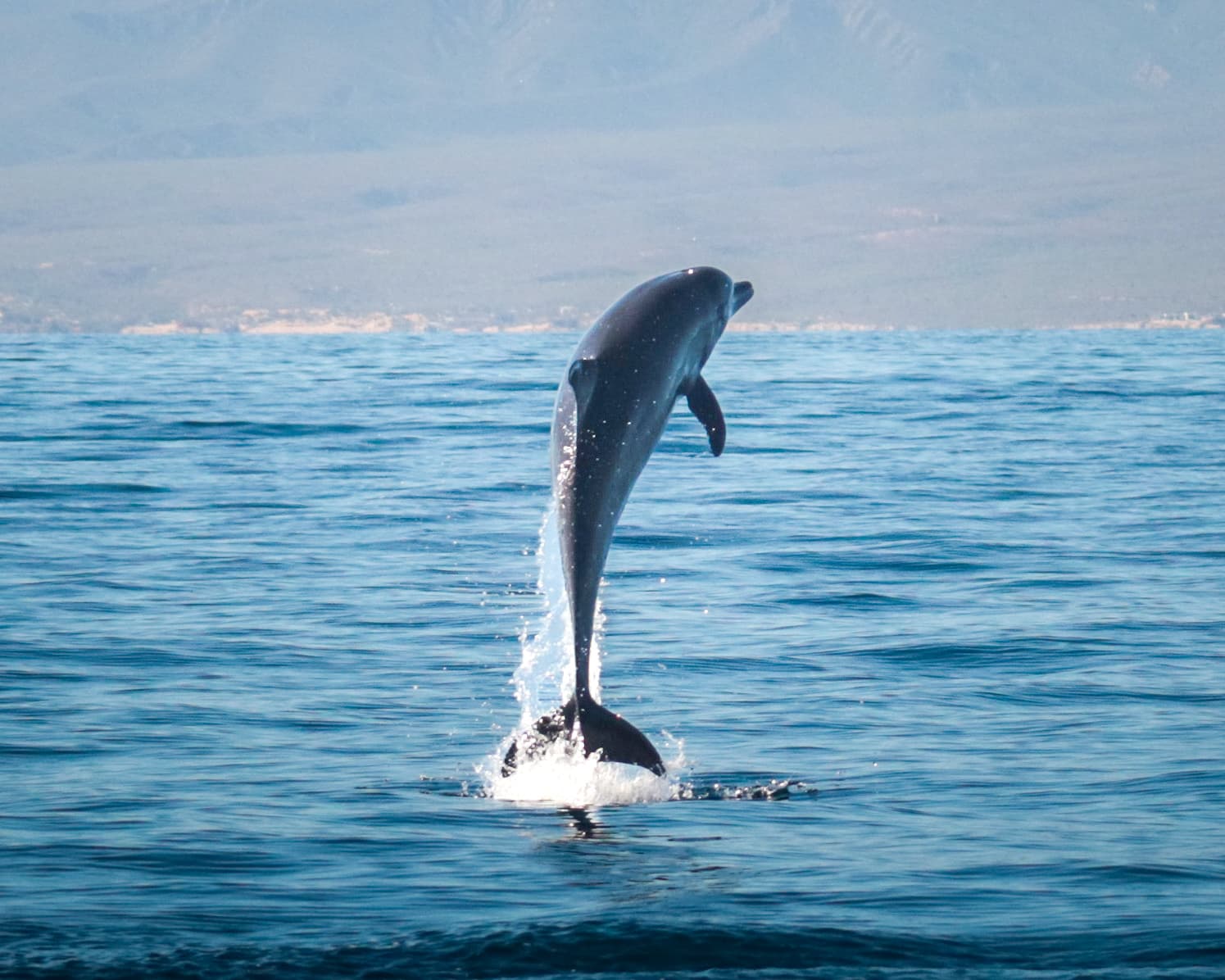
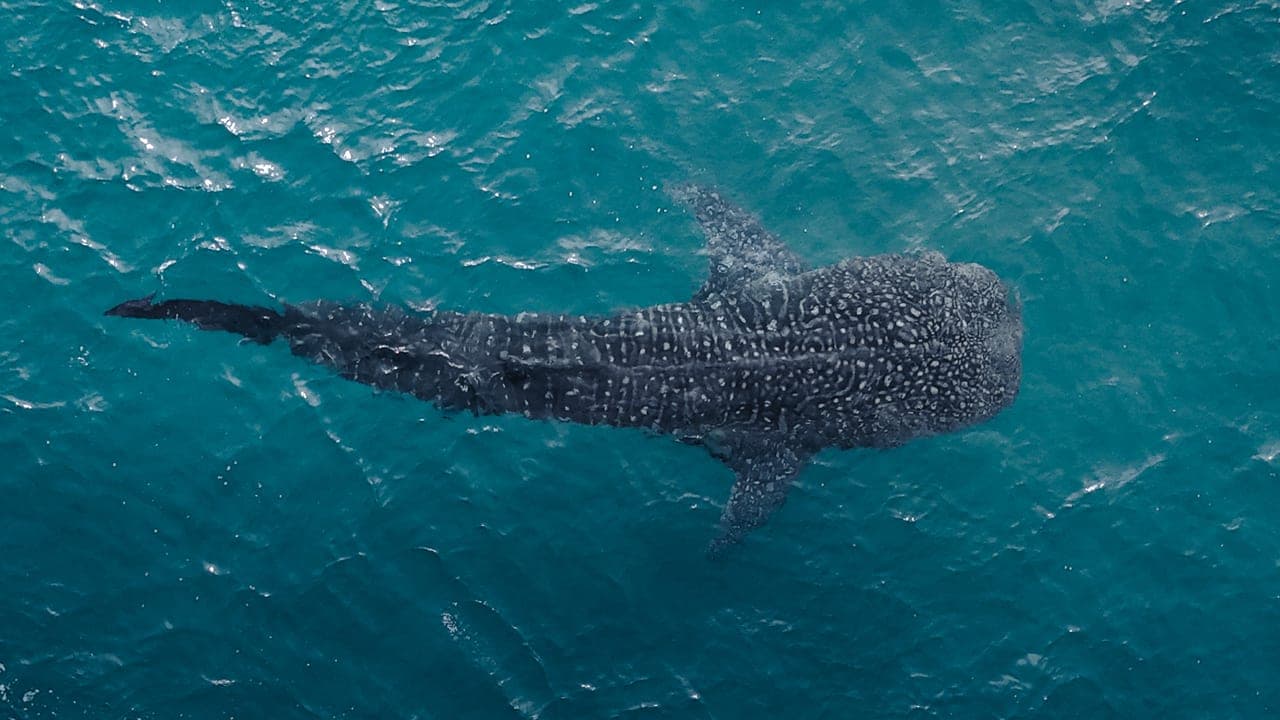
The first thing that strikes you isn't a single species but the sheer amount of life: schools that darken the water, huge groupers, turtles and rays. And some days, visitors from the open ocean. To protect the reef, the park assigns dive sites among operators every morning, so no one can promise you a specific spot, which is part of why the reef stays so healthy.
- Discovery ($3,800 MXN): if you've never dived, two dives with an instructor.
- Certified diving ($3,200 MXN): two dives for Open Water divers or higher.
- Snorkeling ($1,500 MXN): the reef from the surface.
Book your Cabo Pulmo dive and be part of a conservation story that's still being written.
Experience it with Keabelmet

Frequently asked questions
Why is Cabo Pulmo famous?
Because after fishing was banned, its fish biomass grew 463% between 1999 and 2009, the largest absolute increase measured in a marine reserve anywhere [1].
When was Cabo Pulmo National Park created?
In 1995 [1].
Can you fish in Cabo Pulmo?
No. It's a no-take area, and its success comes from the community respecting it [1].
Do I need a certification to dive Cabo Pulmo?
Not necessarily: with the Discovery option you dive with an instructor and no prior experience. For certified diving you need Open Water or higher.
Scientific sources
The wildlife, season and geography facts in this article come from these publications. The [n] citations in the text link here.
- Aburto-Oropeza, O., Erisman, B., Galland, G. R., Mascareñas-Osorio, I., Sala, E. & Ezcurra, E. (2011). Large recovery of fish biomass in a no-take marine reserve. PLoS ONE 6(8): e23601. doi.org/10.1371/journal.pone.0023601
- UNESCO World Heritage Centre (2005). Islands and Protected Areas of the Gulf of California. Lista del Patrimonio Mundial (sitio 1182). whc.unesco.org/en/list/1182/