Why is the Sea of Cortez called "the aquarium of the world"?
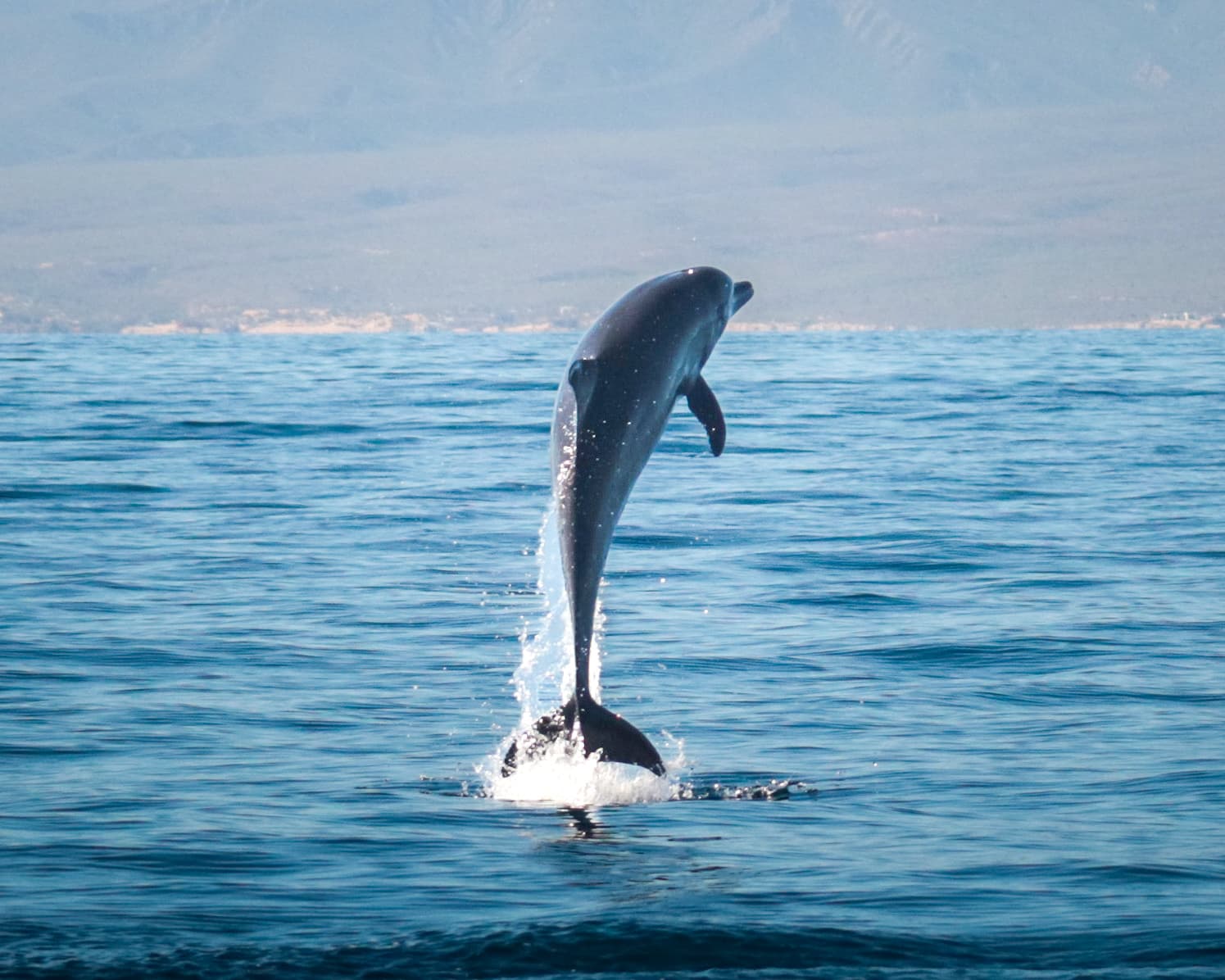
Because it's one of the most life-filled seas on the planet: its islands and protected areas are home to 39% of the world's marine mammal species and a third of its cetacean species [1]. The "aquarium of the world" nickname is popularly attributed to Jacques Cousteau, and the numbers back it up.
In very few places on Earth can you swim with sea lions in the morning, watch mobula rays leap in the afternoon and hear a whale blow at sunset. In the Sea of Cortez, or Gulf of California, that's just a normal day.
The numbers that make it unique
In 2005 UNESCO inscribed the Islands and Protected Areas of the Gulf of California as a World Heritage Site. According to UNESCO, the site is home to 39% of the world's total marine mammal species and a third of the world's marine cetacean species [1].
Scientists agree the Gulf is unique because of its geographic location and shape, and that it hosts diverse ecosystems and important fisheries that support many coastal communities [2].
A young sea: how the Gulf was born
In geological terms, the Gulf of California is a very young sea. It took its present shape when the boundary between the Pacific and North American tectonic plates shifted east of the Baja California peninsula, about 6 million years ago [4]. By 4.7 million years ago, plate motion was already taking place inside the Gulf [4].
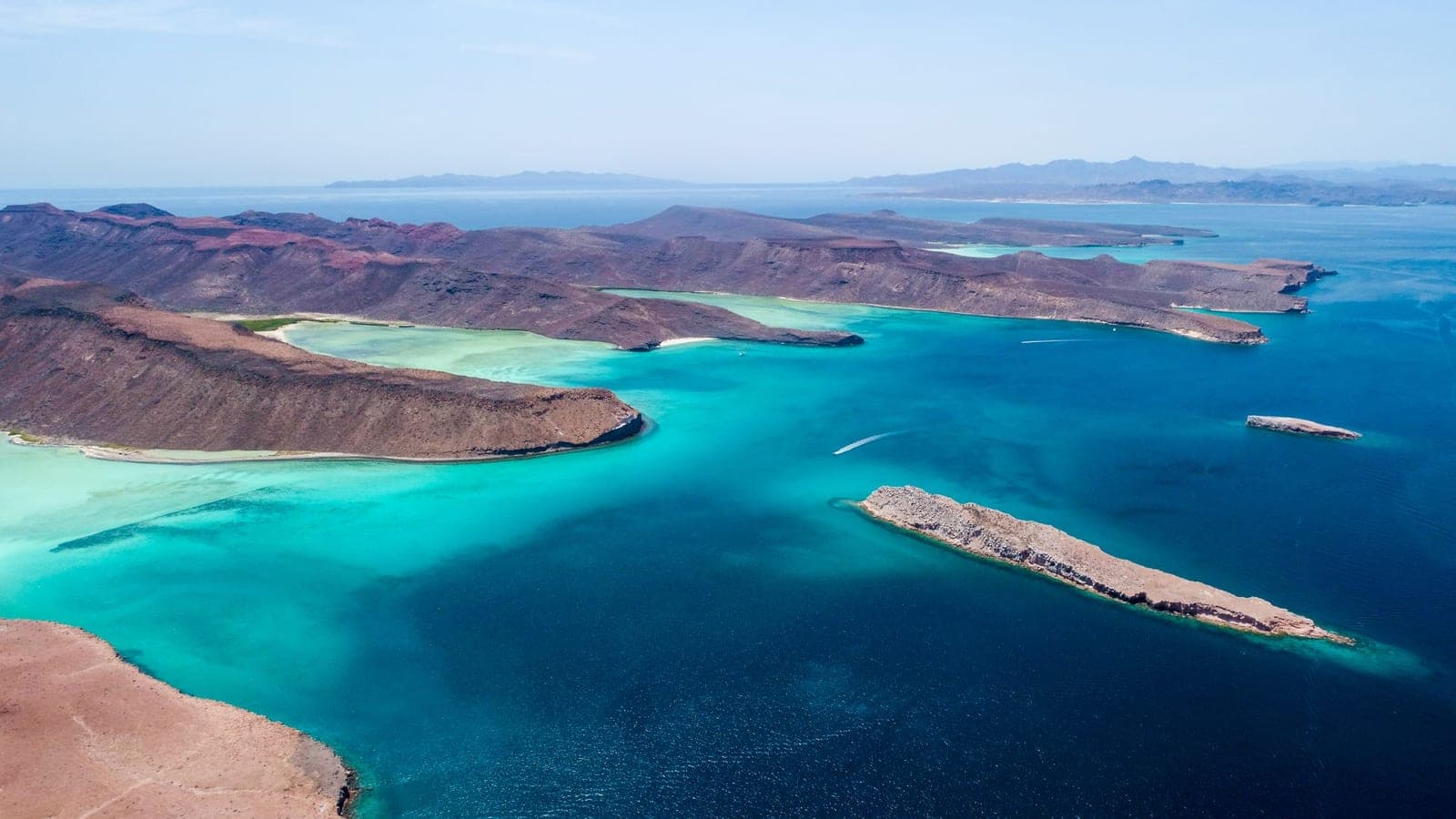
That history explains the landscape you see from the boat: volcanic desert mountains plunging straight into a deep blue sea. Where the desert meets the ocean.
Three living proofs of its richness
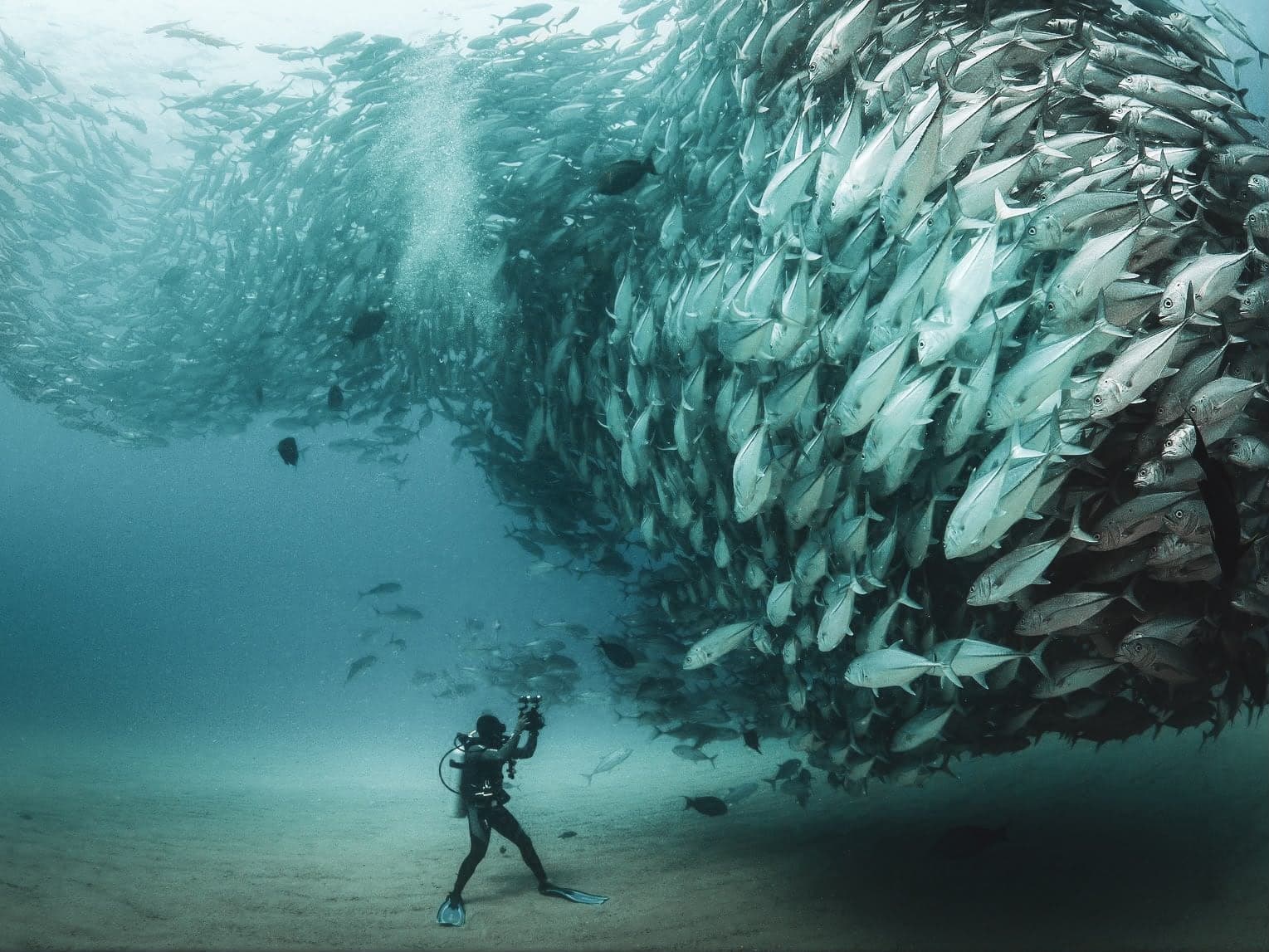
- Cabo Pulmo: after fishing stopped, its fish biomass grew 463% in a decade, the largest absolute increase measured in a marine reserve anywhere [5]. Read the Cabo Pulmo story.
- La Ventana: critical habitat for the reproduction of three mobula species, with a "courtship vortex" of 122 individuals documented by scientists [6]. Read when to see mobula rays.
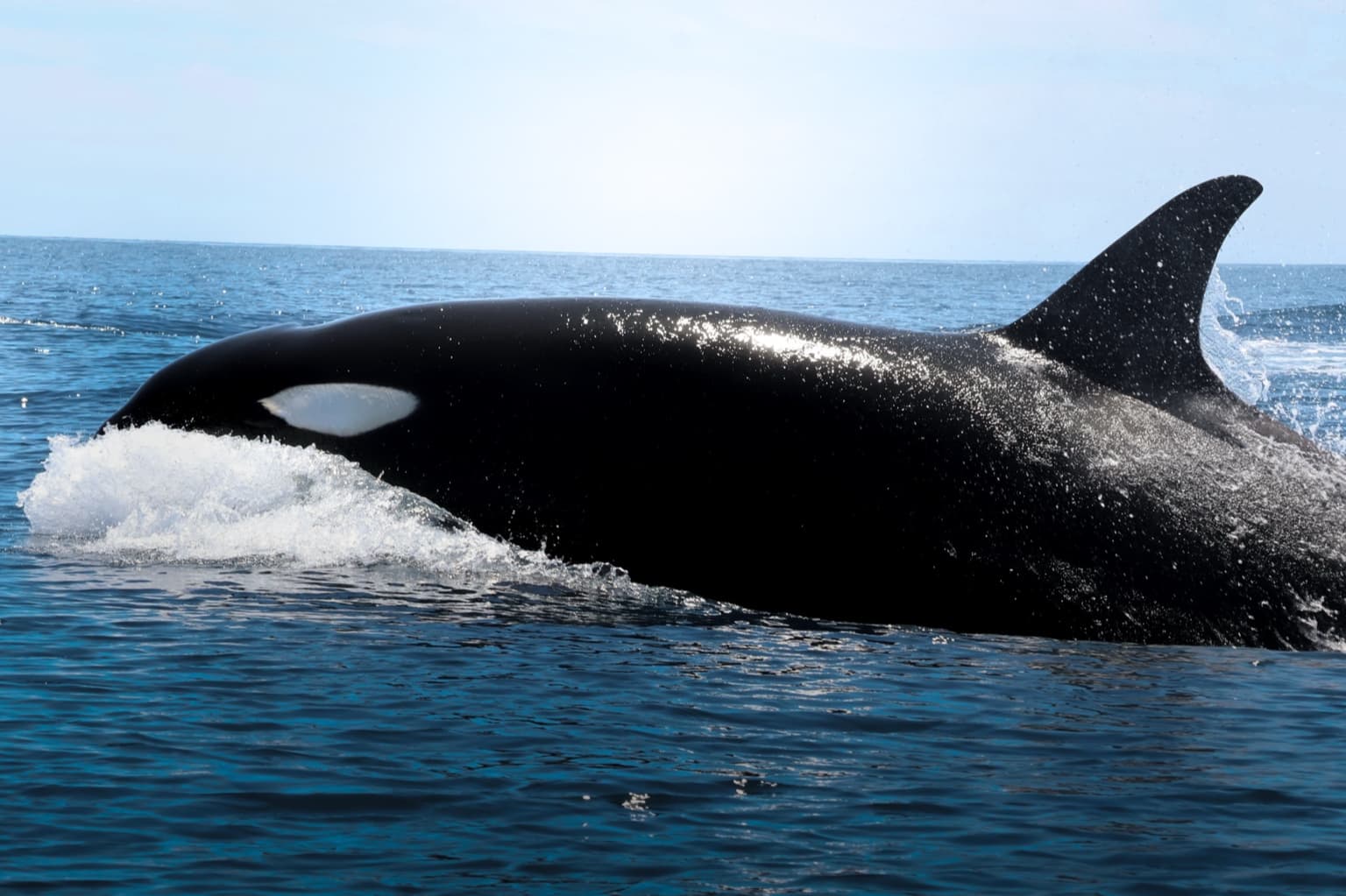
- Orcas: orcas have been documented hunting whales and sharks in the Gulf. Read are there orcas in the Sea of Cortez?.
Where to experience it from La Paz
La Paz sits at the heart of the southern Gulf. From here you can explore Isla Espíritu Santo, go on safari in La Ventana or dive Cabo Pulmo. Each trip shows a different side of the aquarium.
Experience it with Keabelmet


Frequently asked questions
Who called the Sea of Cortez "the aquarium of the world"?
The phrase is popularly attributed to Jacques Cousteau. Beyond the nickname, UNESCO recognizes that the Gulf holds 39% of the world's marine mammal species [1].
Are the Sea of Cortez and the Gulf of California the same?
Yes, they're two names for the same sea, between the Baja California peninsula and mainland Mexico.
How old is the Gulf of California?
It took its present shape about 6 million years ago, when the Pacific–North America plate boundary shifted east of the peninsula [4]; the whole basin flooded between 6.5 and 6.3 million years ago [3].
Is it a World Heritage Site?
Yes. The Islands and Protected Areas of the Gulf of California were inscribed by UNESCO in 2005 [1].
Scientific sources
The wildlife, season and geography facts in this article come from these publications. The [n] citations in the text link here.
- UNESCO World Heritage Centre (2005). Islands and Protected Areas of the Gulf of California. Lista del Patrimonio Mundial (sitio 1182). whc.unesco.org/en/list/1182/
- Lluch-Cota, S. E., Aragón-Noriega, E. A., Arreguín-Sánchez, F., Aurioles-Gamboa, D., Bautista-Romero, J. J., Brusca, R. C., et al. (2007). The Gulf of California: Review of ecosystem status and sustainability challenges. Progress in Oceanography 73(1): 1–26. doi.org/10.1016/j.pocean.2007.01.013
- Oskin, M. & Stock, J. (2003). Marine incursion synchronous with plate-boundary localization in the Gulf of California. Geology 31(1): 23–26. doi.org/10.1130/0091-7613(2003)031<0023:MISWPB>2.0.CO;2
- Oskin, M., Stock, J. & Martín-Barajas, A. (2001). Rapid localization of Pacific–North America plate motion in the Gulf of California. Geology 29(5): 459–462. doi.org/10.1130/0091-7613(2001)029<0459:RLOPNA>2.0.CO;2
- Aburto-Oropeza, O., Erisman, B., Galland, G. R., Mascareñas-Osorio, I., Sala, E. & Ezcurra, E. (2011). Large recovery of fish biomass in a no-take marine reserve. PLoS ONE 6(8): e23601. doi.org/10.1371/journal.pone.0023601
- Palacios, M. D., et al. (2023). Reproductive behavior, seasonality, and distribution of three devil ray species (Mobula mobular, M. thurstoni, and M. munkiana) in the Southern Gulf of California, Mexico. Marine Biology 171(1): 12. doi.org/10.1007/s00227-023-04314-0