Isla Espíritu Santo: what it is, why it's a World Heritage Site and how to visit
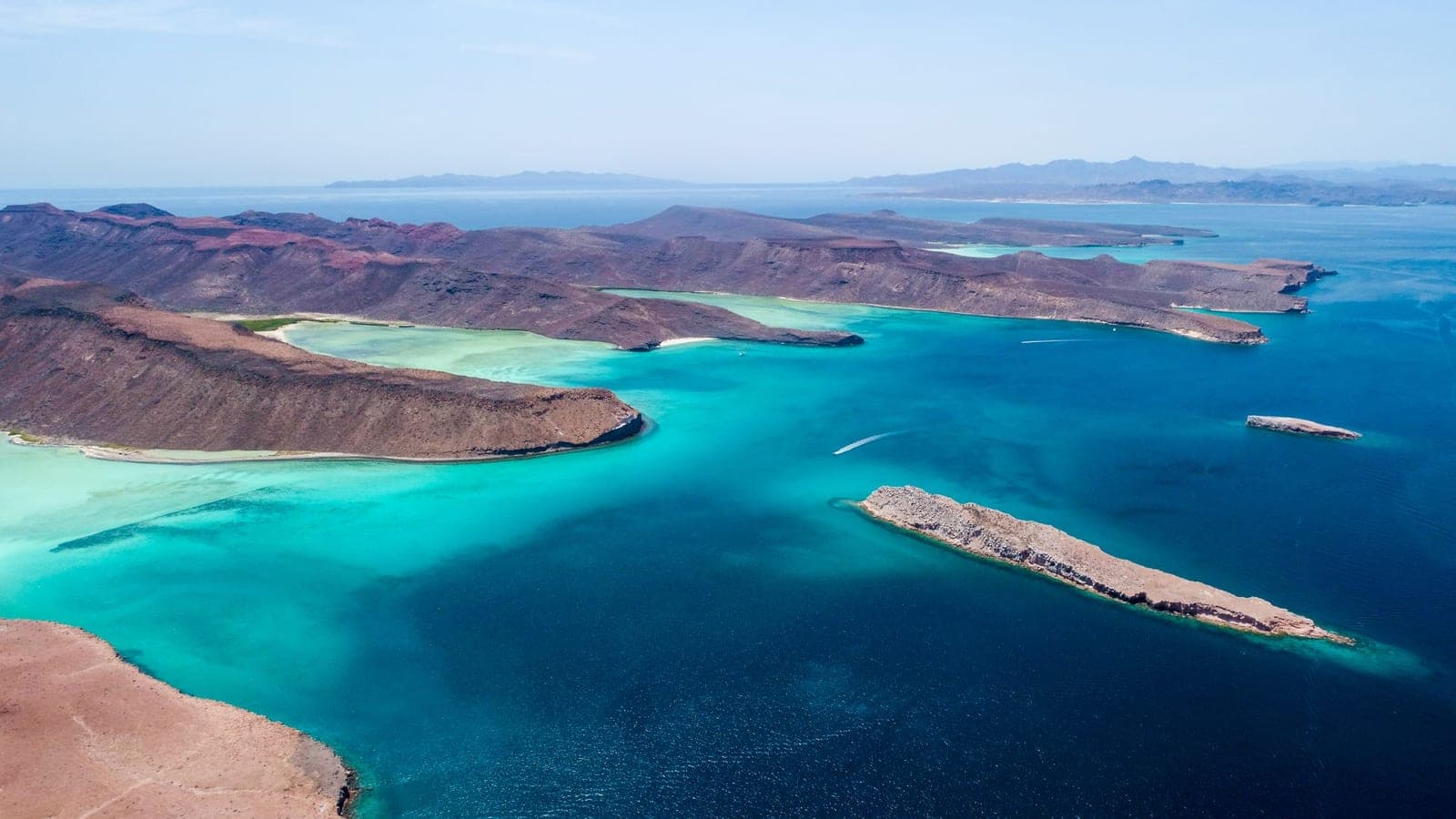
Isla Espíritu Santo is an archipelago off La Paz protected as a National Park since 2007 [3] and part of the Islands and Protected Areas of the Gulf of California, a UNESCO World Heritage Site since 2005 [1]. You can only visit by boat with an authorized operator, and it's famous for its beaches, its reefs and the Los Islotes sea lion colony [4].
You can see it on the horizon from the La Paz malecón. But until you arrive by boat, with the water shifting from deep blue to turquoise, you won't understand why Espíritu Santo wins over everyone who visits.
A doubly protected treasure
The archipelago is part of the World Heritage Site Islands and Protected Areas of the Gulf of California, inscribed by UNESCO in 2005 [1]. Its marine area is also a National Park, decreed on May 10, 2007 [3].
What you'll find
- White-sand beaches and turquoise water, with reddish volcanic mountains behind.
- Isla Partida, to the north, separated by a narrow channel.
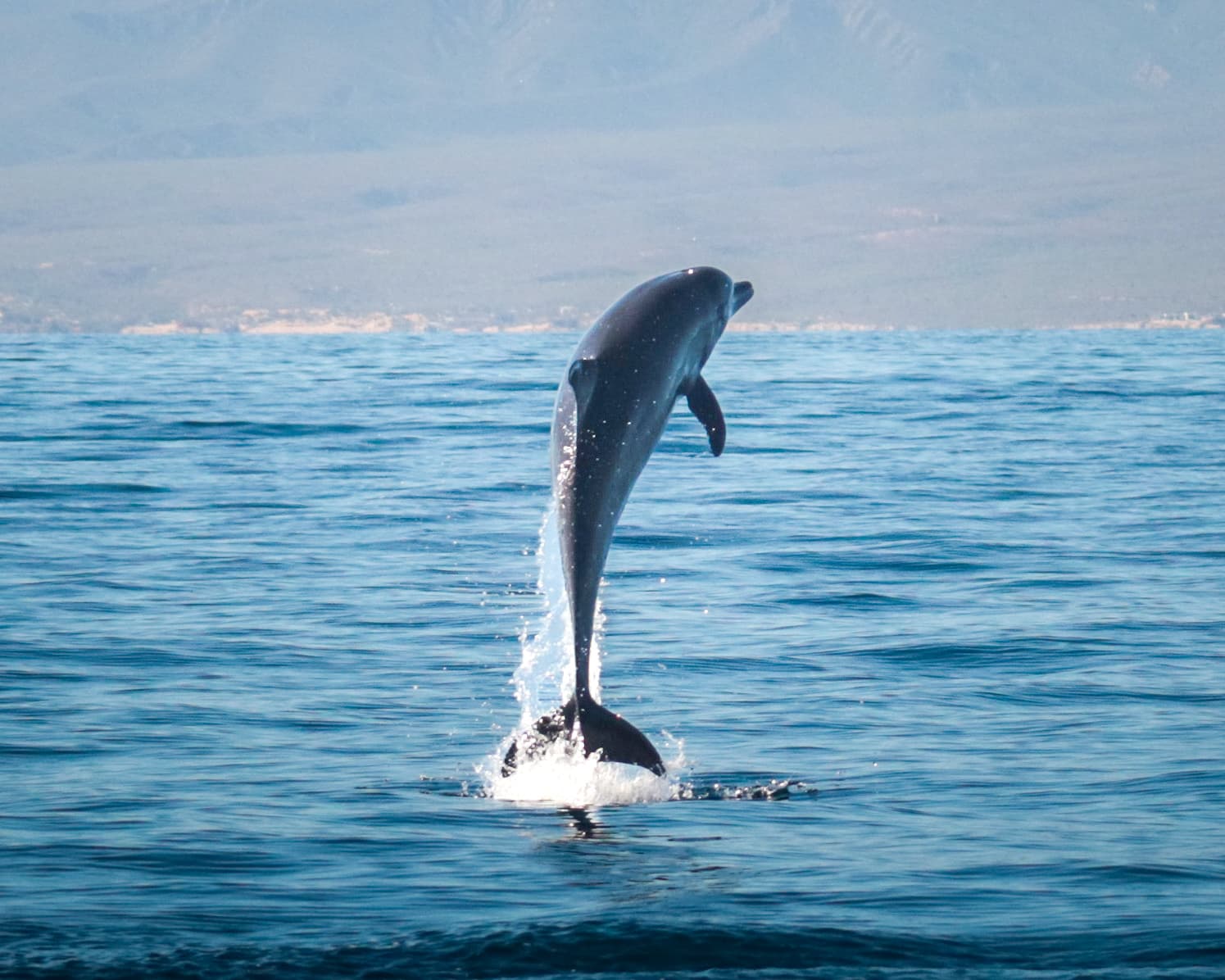
- Reefs for snorkeling and diving, with tropical fish, walls and schools.
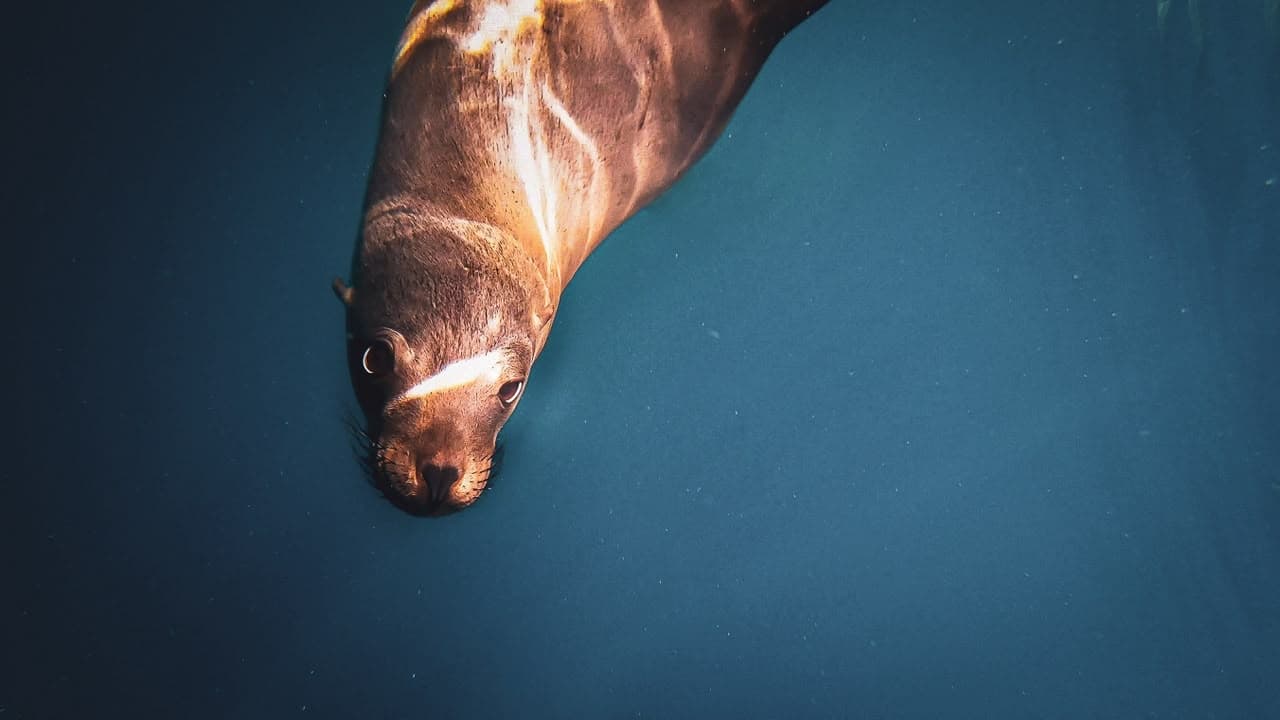
- Los Islotes, a California sea lion colony in the southern Gulf [4].
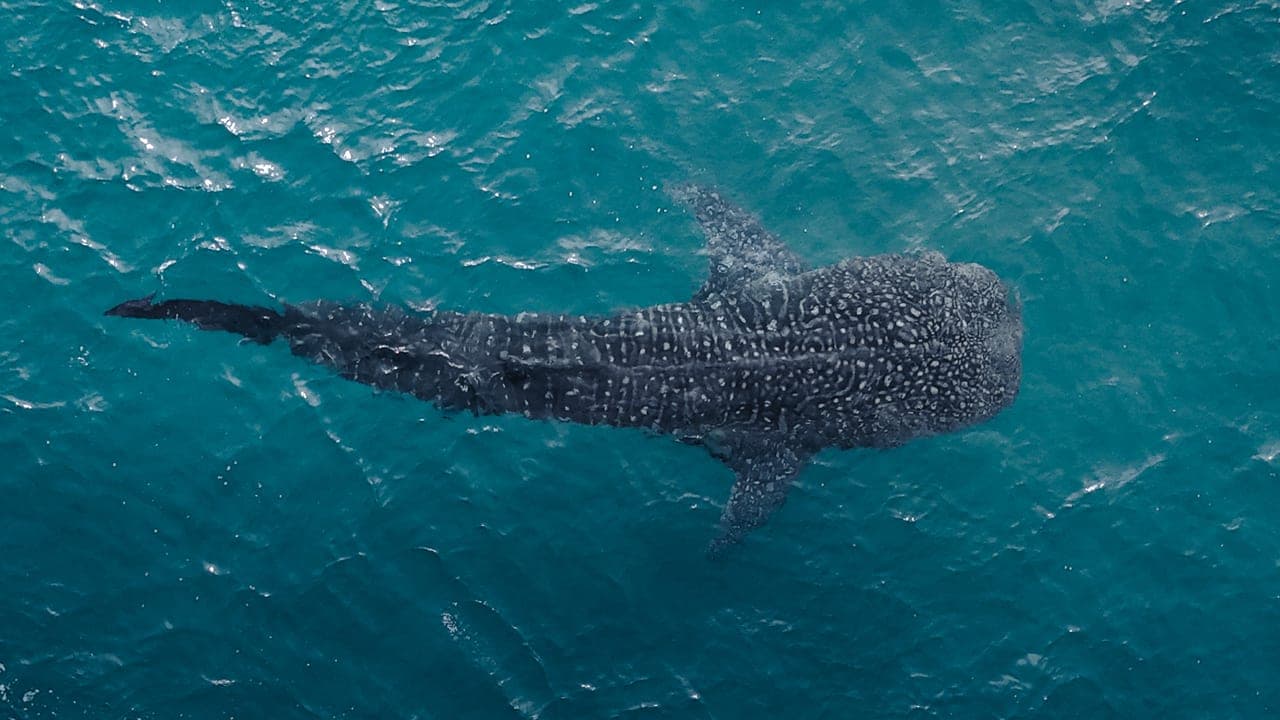
And something few people know: in the oceanic waters near Isla Espíritu Santo, scientists have identified adult female whale sharks, while only juveniles are found in the bay of La Paz [6].
Rules you should know
- From June 1 to August 31 swimming, free diving and scuba diving are restricted at Los Islotes during the sea lion breeding season [5]. They're watched from the boat.
- Access to the National Park requires a wristband; it's already included in our tour.
- Don't touch, feed or chase the wildlife.
How to visit
You can only get there by boat from La Paz. There are two ways to experience it with Keabelmet:
| Option | What's included | Price |
|---|---|---|
| Espíritu Santo snorkel tour | ~6 hours; Balandra Beach from the sea, Espíritu Santo and Isla Partida, reef snorkeling, sea lions (seasonal), ~2 hours of beach time, food and wristbands | $1,800 MXN per person (kids 0–3 free) |
| Espíritu Santo diving | ~7 hours; two dives in the park, full gear, snacks | From $3,800 MXN (certified) or $4,200 MXN (Discovery) |
If swimming with sea lions is your dream, first read when you can swim with sea lions in La Paz.
Experience it with Keabelmet


Frequently asked questions
Can you visit Isla Espíritu Santo on your own?
It's only reachable by sea. The practical and safe way is with an authorized operator that includes the National Park access wristbands.
Why is Espíritu Santo a World Heritage Site?
Because it's part of the Islands and Protected Areas of the Gulf of California, inscribed by UNESCO in 2005 for their outstanding natural value [1].
When is the best time to visit Espíritu Santo?
All year. If you want to swim with sea lions, avoid June 1 to August 31, when swimming at Los Islotes is restricted [5].
How long is the Espíritu Santo tour?
Keabelmet's snorkel tour lasts about 6 hours; the dive trip about 7 hours.
Scientific sources
The wildlife, season and geography facts in this article come from these publications. The [n] citations in the text link here.
- UNESCO World Heritage Centre (2005). Islands and Protected Areas of the Gulf of California. Lista del Patrimonio Mundial (sitio 1182). whc.unesco.org/en/list/1182/
- Comisión Nacional de Áreas Naturales Protegidas (Conanp) (2022). Compendio del Programa de Manejo del Parque Nacional Zona Marina del Archipiélago de Espíritu Santo. Publicado por Pronatura Noroeste. pronatura-noroeste.org/webpno/wp-content/uploads/2022/09/Com…
- Semanario Zeta (2024). Alarma a pescadores prohibición en isla de Espíritu Santo. Nota periodística (fecha del decreto del Parque Nacional: 10 de mayo de 2007). zetatijuana.com/2024/08/alarma-a-pescadores-prohibicion-en-i…
- García-Aguilar, M. C. & Aurioles-Gamboa, D. (2003). Breeding season of the California sea lion (Zalophus californianus) in the Gulf of California, Mexico. Aquatic Mammals 29(1): 67–76. doi.org/10.1578/016754203101024086
- Comisión Nacional de Áreas Naturales Protegidas (Conanp) (2018). Restricción de nado, buceo libre y buceo autónomo en Los Islotes durante la temporada reproductiva del lobo marino. Documento de caso publicado en PANORAMA Solutions. panorama.solutions/sites/default/files/restriccion_nado_islo…
- Ramírez-Macías, D., Vázquez-Haikin, A. & Vázquez-Juárez, R. (2012). Whale shark Rhincodon typus populations along the west coast of the Gulf of California and implications for management. Endangered Species Research 18(2): 115–128. doi.org/10.3354/esr00437