When can you see blue whales in Loreto and the Gulf of California?
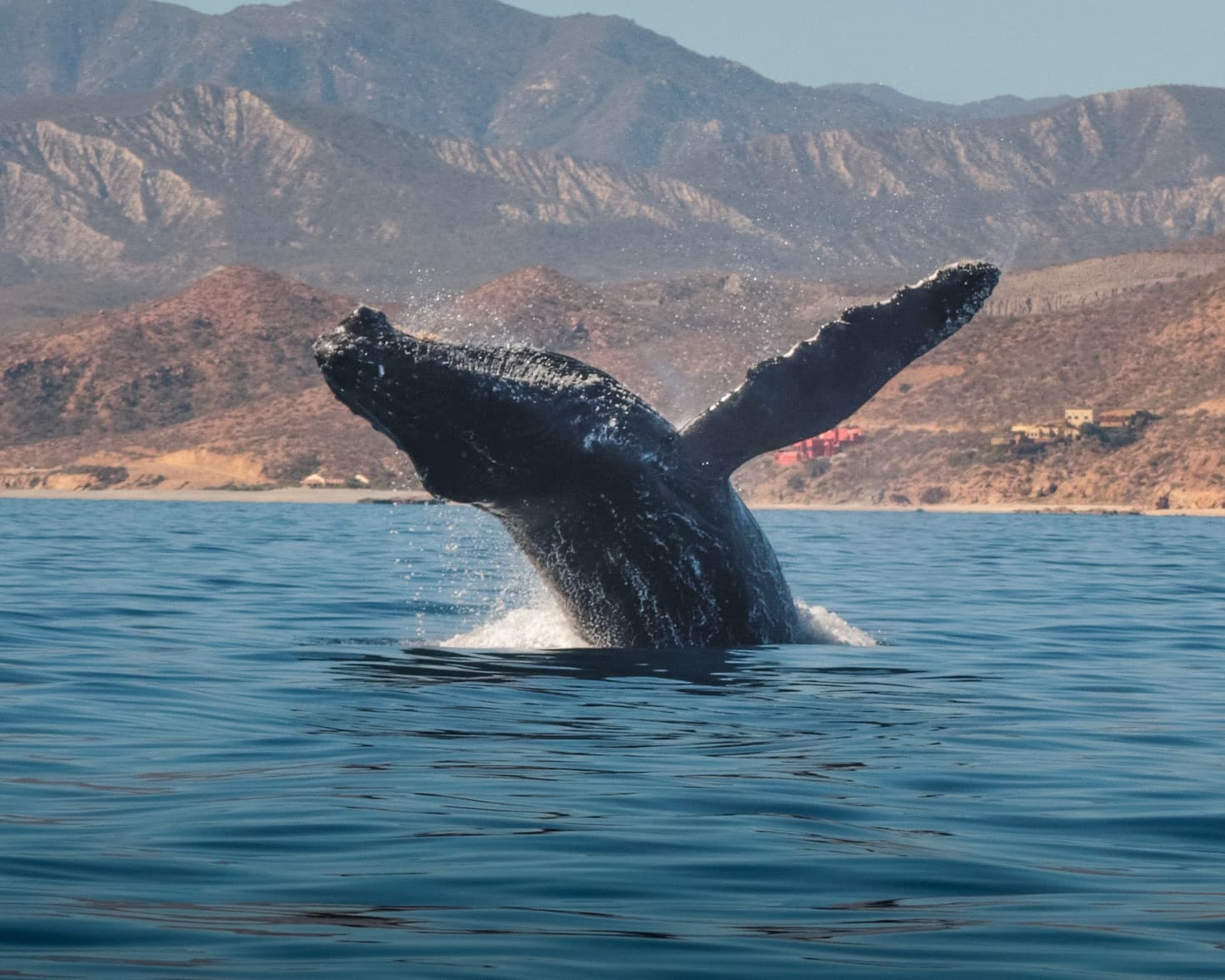
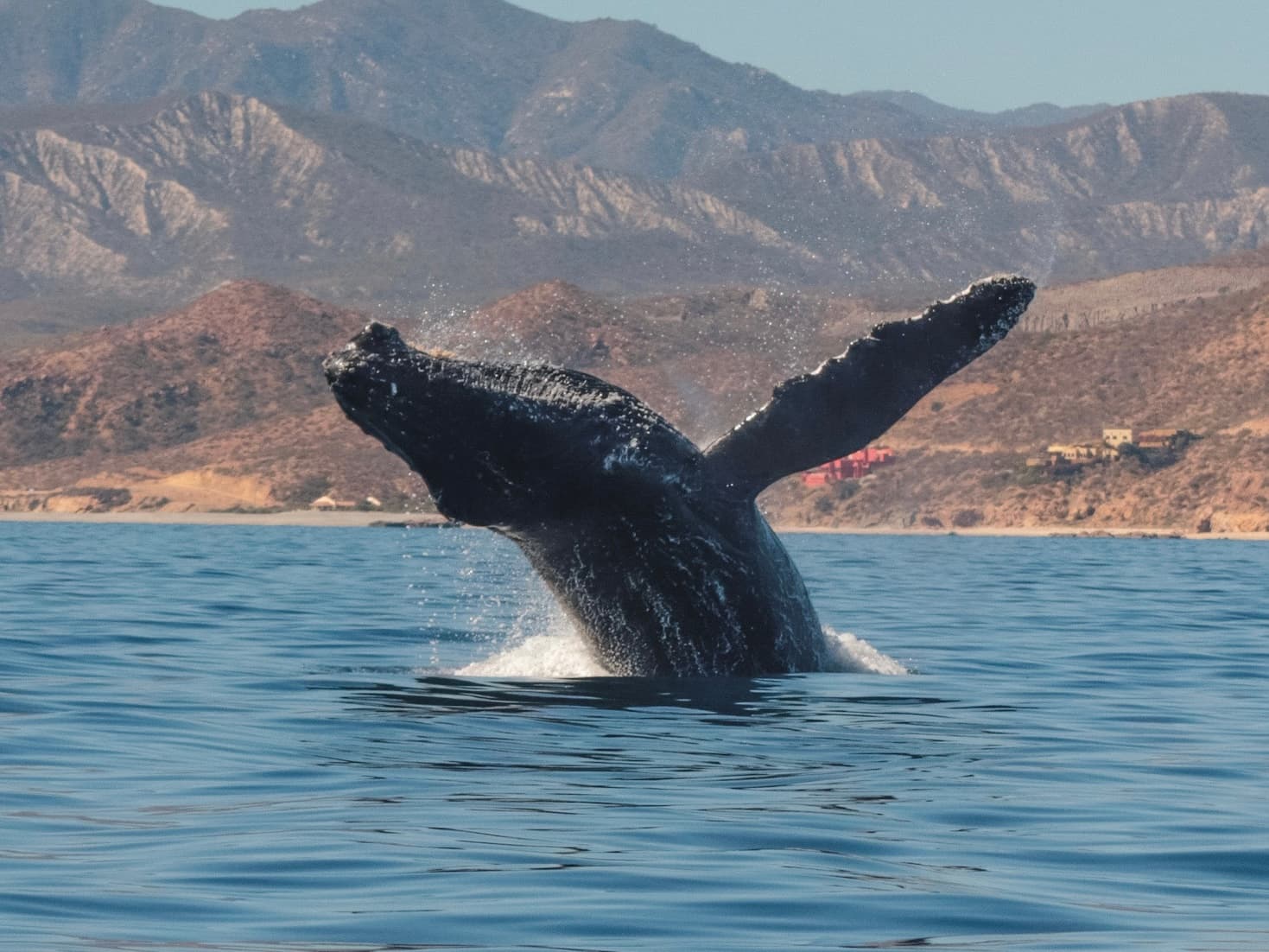
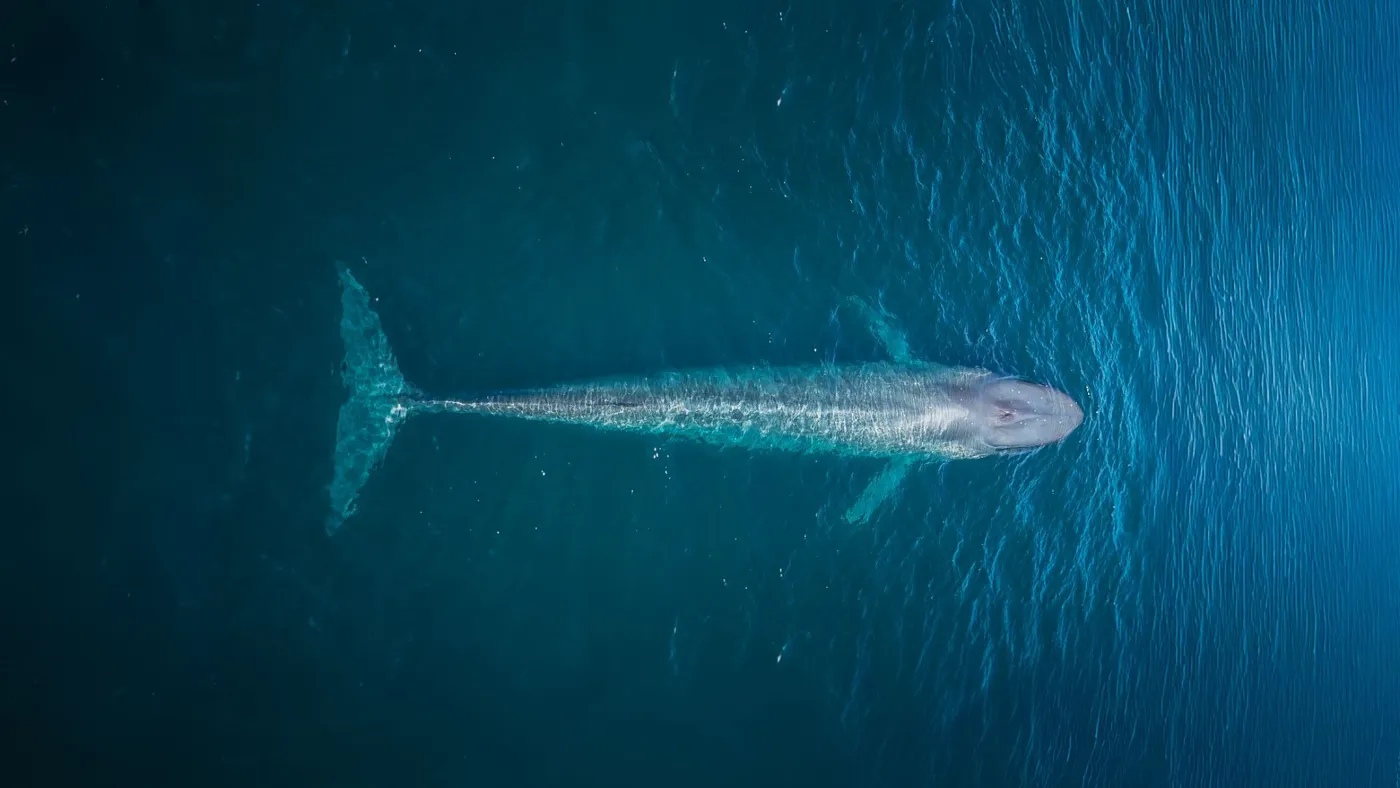
Blue whales come to the Gulf of California in winter and spring: their songs show it's a breeding area, and in spring a feeding area too [1]. Females come to nurse their calves [2]. They've been photographed in Loreto since 1984, but the number of whales using the area fell from about 96 in 2012 to 13 in 2018 and 2019 [3].
The blue whale is the largest animal that has ever lived, and part of its eastern North Pacific population spends the winter in the Gulf of California. In Loreto, north of La Paz, it has been studied with photographs since 1984 [3].
What do blue whales do in the Gulf of California?
Six years of underwater recordings picked up more than 15,500 blue whale calls in the Gulf [1]. The high number of songs and their seasonality indicate the Gulf is a winter breeding ground [1]. In spring and early summer they switch to a different call type, suggesting the Gulf's entrance also matters for feeding [1].
The Gulf is also a nursing ground: females that feed off the US west coast in summer come here with their calves [2]. Females return even when they aren't nursing, and on average have a calf every 2.6 years [2].
When to go
Based on their calls, blue whales enter through the southern Gulf, move north, and head back south in March [1]. They also show up in La Paz Bay: in winter and spring, the bay offers good habitat for blue whales [4].
| Season | What happens |
|---|---|
| Winter | Breeding songs in the Gulf [1] |
| March | Movement back toward the southern Gulf [1] |
| Spring and early summer | More calls linked to feeding [1] |
Why are fewer coming to Loreto?
A photo-identification study in Loreto Bay from 1984 to 2020 analyzed 453 sighting histories [3]. The number of whales using the area fell from about 96 in 2012 to just 13 in 2018 and 2019 [3]. Because the whole eastern North Pacific population is slowly growing, the authors think it's not that there are fewer whales but that they use the Gulf less [3]. The change was linked to the sea-temperature difference between the Gulf and the Costa Rica Dome, another wintering area [3].
From La Paz
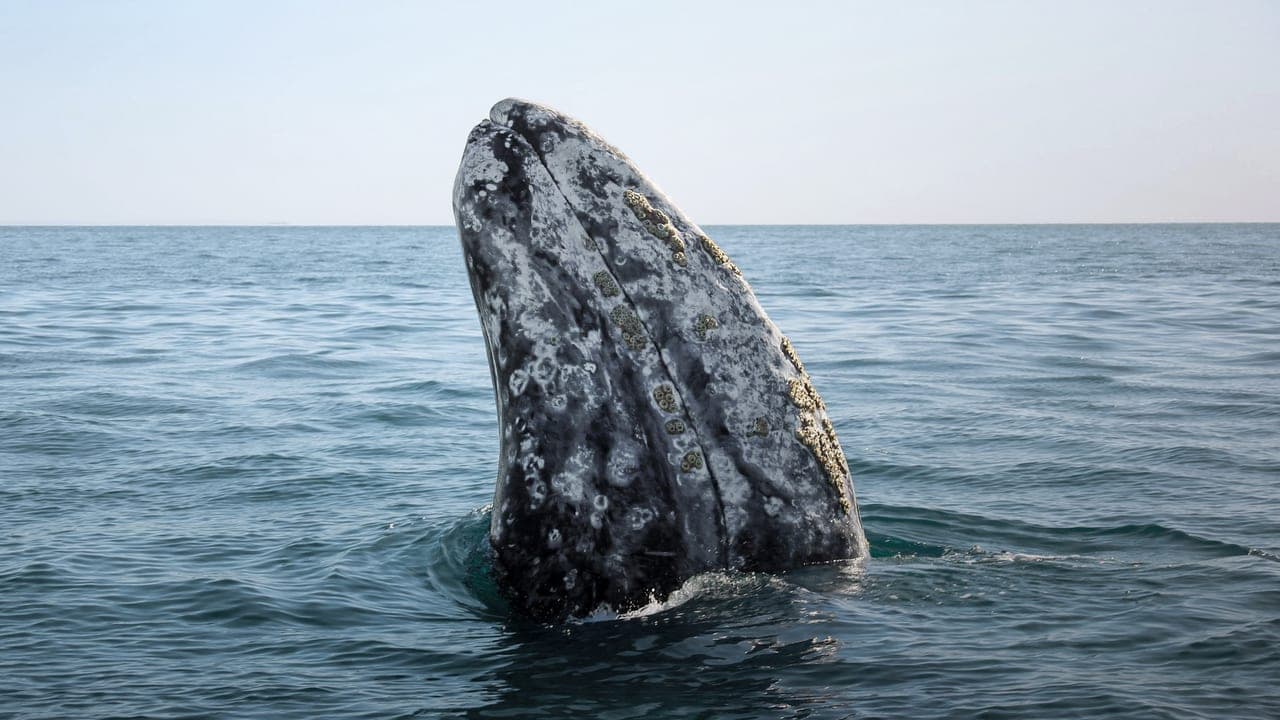
Keabelmet doesn't run blue whale tours in Loreto. If you're here in winter and want whales, from La Paz you can go see gray whales in Magdalena Bay: read when to see gray whales and which whales you can see in Baja California Sur.
Experience it with Keabelmet
Frequently asked questions
When can you see blue whales in Loreto?
In winter and spring, when they use the Gulf of California to breed, nurse and feed [1] [2].
Are there blue whales in La Paz?
They can show up: in winter and spring La Paz Bay offers good habitat for blue whales [4].
Why are there fewer blue whales in Loreto?
Whales using the area fell from about 96 in 2012 to 13 in 2018 and 2019; since the total population is growing, they seem to be using the Gulf less [3].
Do blue whales give birth in the Gulf of California?
The Gulf is a place where females nurse their calves; no births have been documented there [2].
Scientific sources
The wildlife, season and geography facts in this article come from these publications. The [n] citations in the text link here.
- Paniagua-Mendoza, A., Gendron, D., Romero-Vivas, E. & Hildebrand, J. A. (2017). Seasonal acoustic behavior of blue whales (Balaenoptera musculus) in the Gulf of California, Mexico. Marine Mammal Science 33(1): 206–218. doi.org/10.1111/mms.12362
- Sears, R., Ramp, C., Douglas, A. B. & Calambokidis, J. (2013). Reproductive parameters of eastern North Pacific blue whales Balaenoptera musculus. Endangered Species Research 22(1): 23–31. doi.org/10.3354/esr00532
- Whittome, G., Calambokidis, J., Douglas, A. B., Fishbach, M., Sears, R. & Hammond, P. S. (2024). Changes in blue whale survival and abundance in the Gulf of California. Marine Mammal Science 40(4). doi.org/10.1111/mms.13132
- Pardo, M. A., Silverberg, N., Gendron, D., Beier, E. & Palacios, D. M. (2013). Role of environmental seasonality in the turnover of a cetacean community in the southwestern Gulf of California. Marine Ecology Progress Series 487: 245–260. doi.org/10.3354/meps10217