When can you see humpback whales in Los Cabos and La Paz?
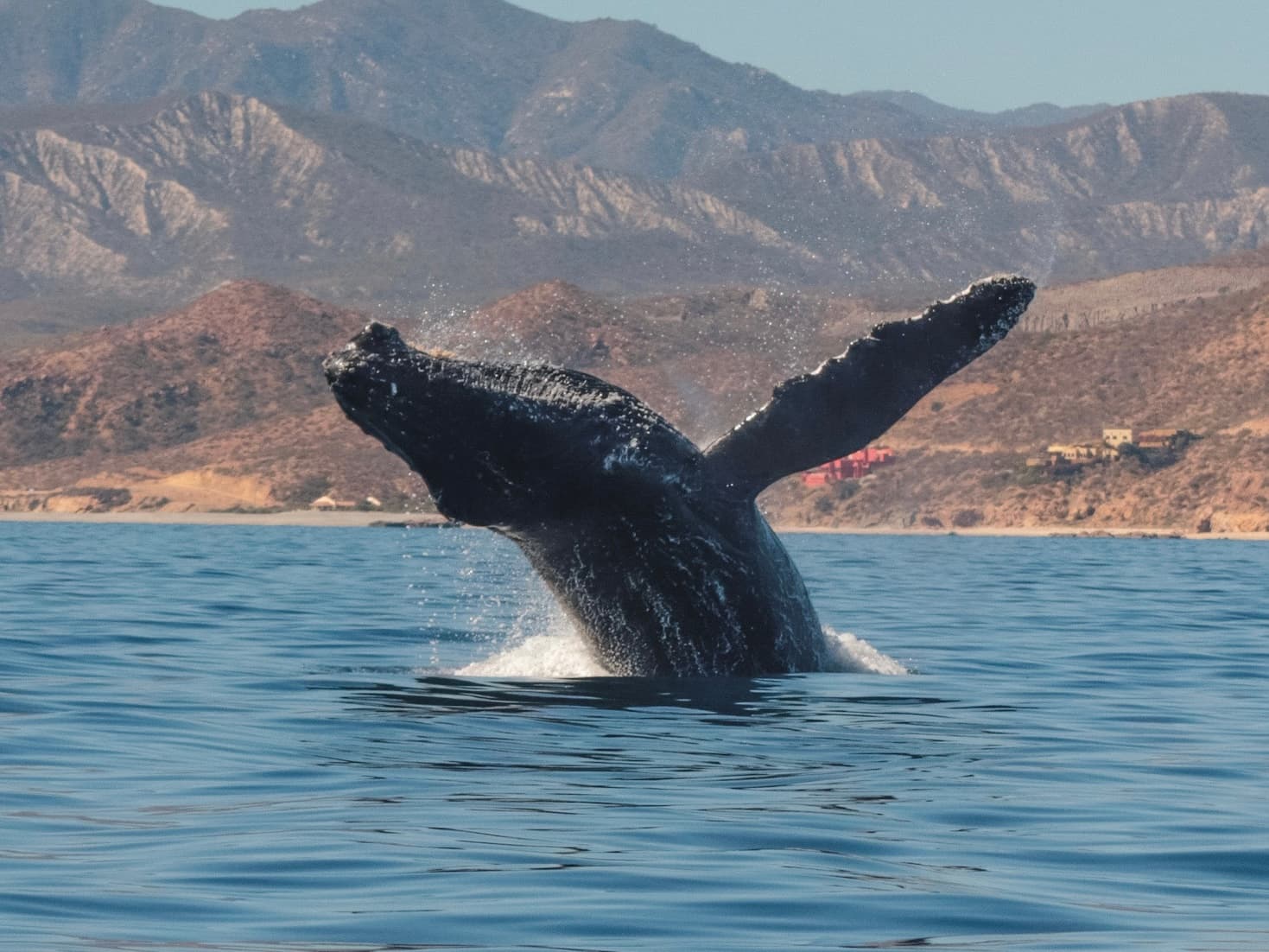
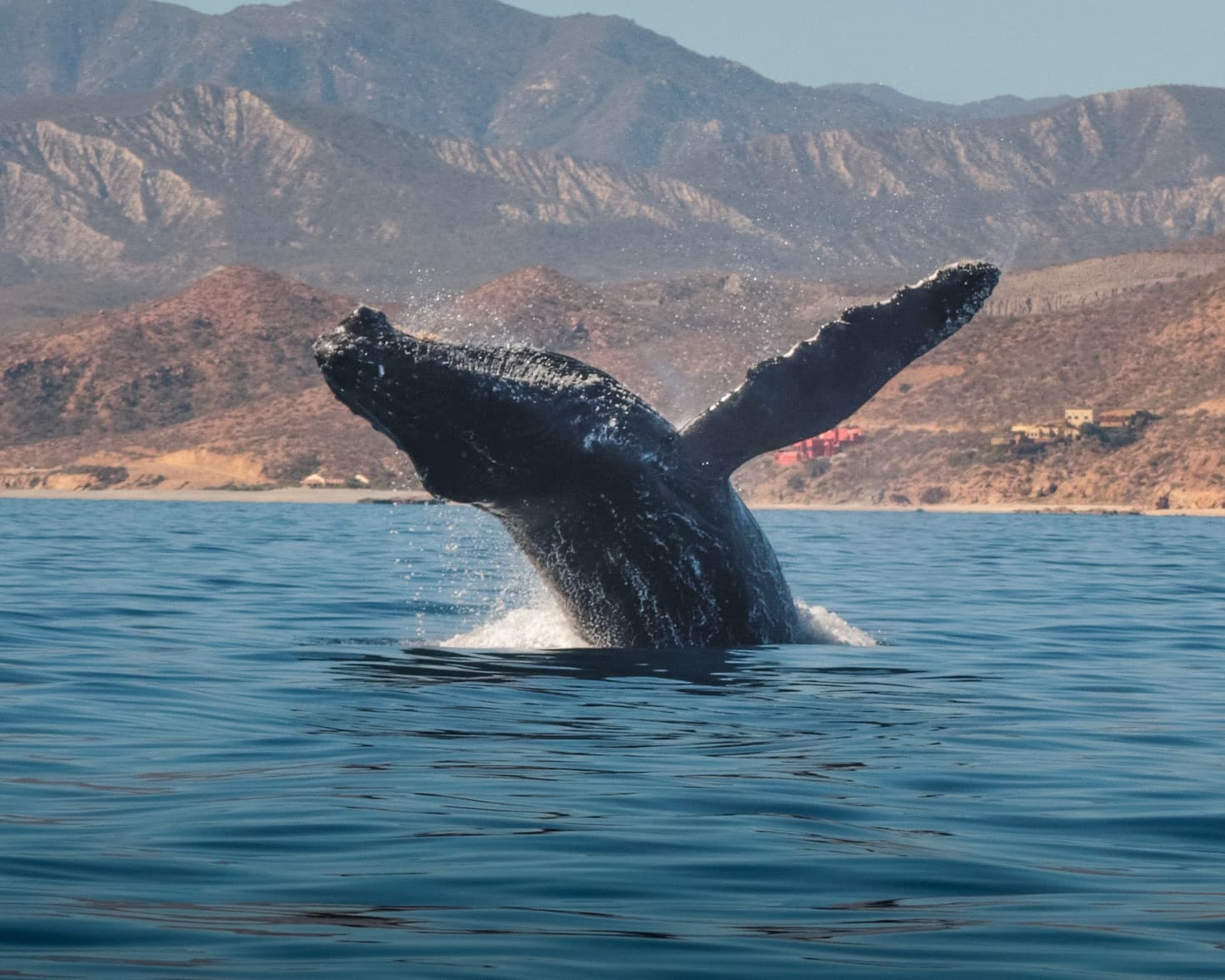
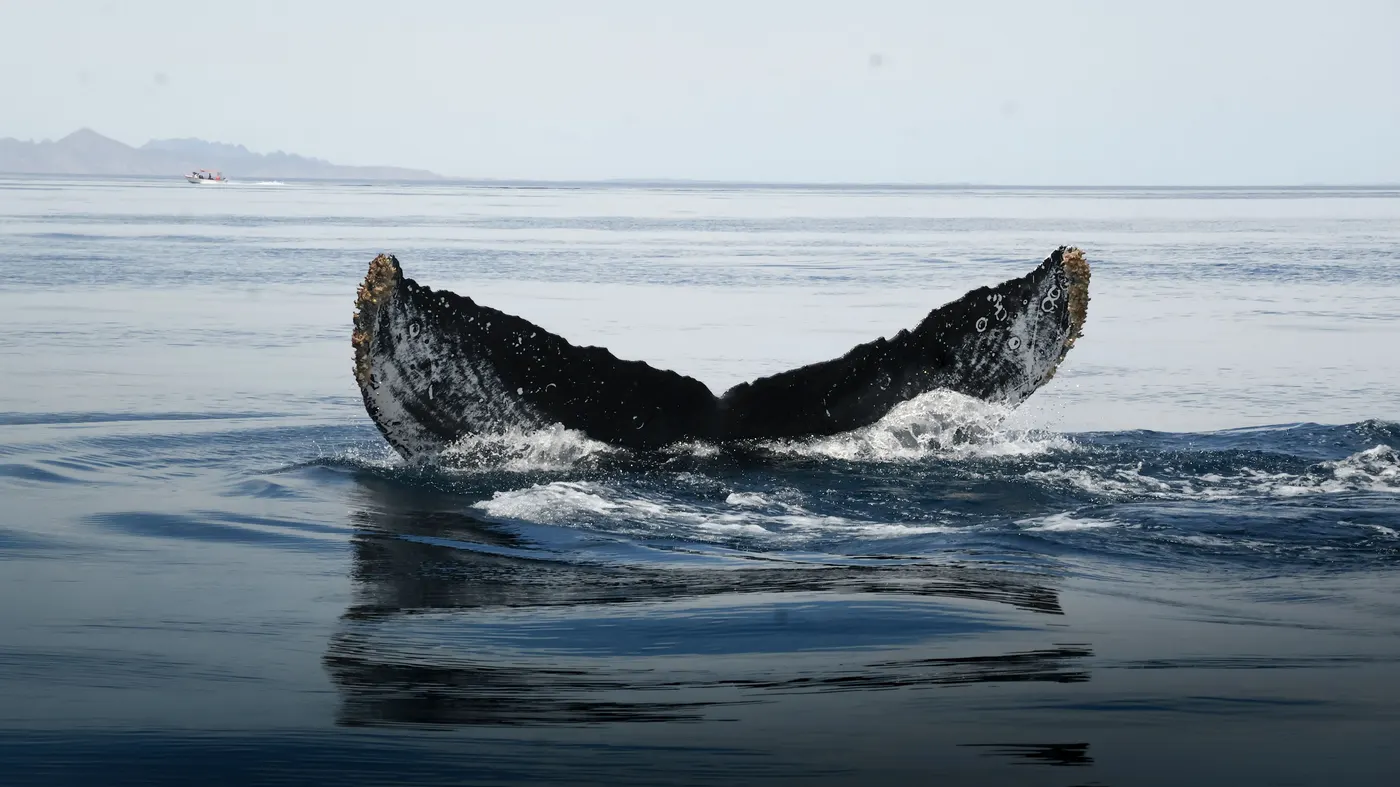
On the southern coast of Baja California, humpback whales have been observed from September to April [1]. They come to spend the winter and breed; photos of their tails show that the whales wintering here spend the summer off California, Oregon, Washington and British Columbia [2]. To see them, your best bet is a boat trip in Los Cabos or along the southern coast in midwinter.
The humpback whale is famous for its breaches and songs. Every winter it arrives in the Mexican Pacific, and southern Baja California Sur is one of its areas.
Which months are humpbacks here?
Between 1981 and 1986, humpback distribution in the Mexican Pacific was recorded and four areas were recognized: the southern coast of Baja California, the northern Gulf of California, the mainland coast and the Revillagigedo Archipelago [1]. On the southern coast of Baja California they were seen from September to April, a season that may point to a shorter migration route [1].
| Area | Observed season |
|---|---|
| Southern coast of Baja California (Los Cabos) | September to April [1] |
| Mainland coast and Revillagigedo | November to May [1] |
| Northern Gulf of California | Year-round, sometimes feeding [1] |
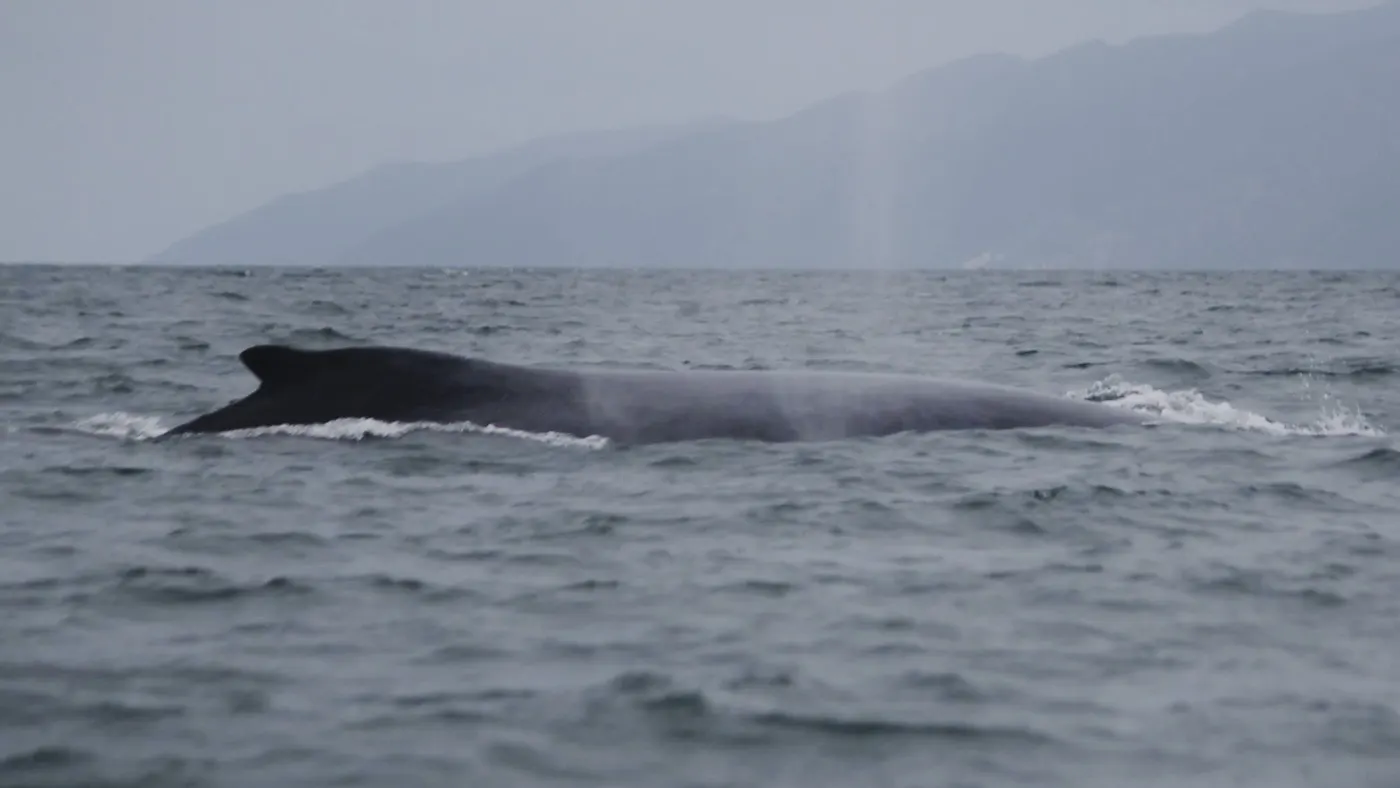
Where do they come from?
Researchers compared more than 1,300 whale-tail photos taken in Mexico between 1983 and 1993 with photos from summer feeding grounds [2]. Humpbacks wintering off the Baja California peninsula and the mainland coast showed a preference for California, Oregon, Washington and British Columbia [2]. Those from Revillagigedo, by contrast, appear to form a separate group [2].
What threatens them today?
Commercial whaling ended for nearly all populations by 1989, but many remain low [3]. Today the most severe threats to baleen whales are entanglement in fishing gear and ship strikes [3]. That's why whale-watching boats should approach slowly and never cut across a whale's path.
What about La Paz?
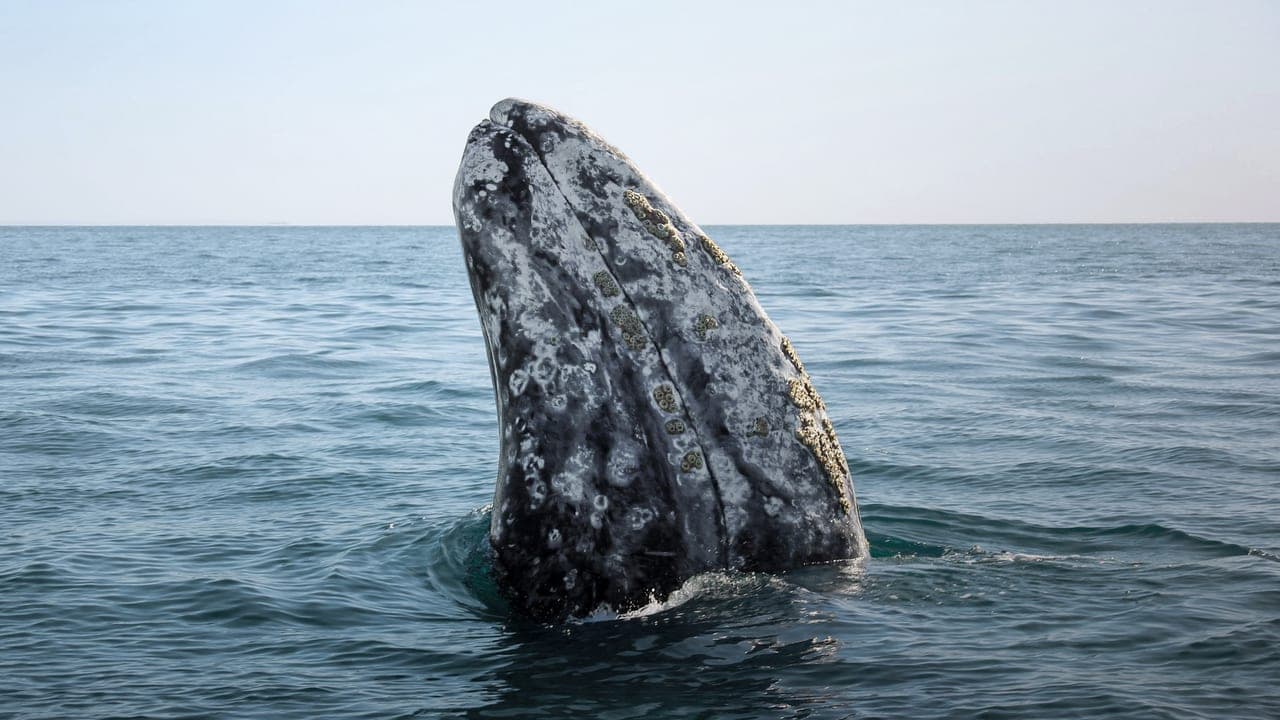
The classic humpback area is the southern coast of the peninsula, around Los Cabos [1]. If you're staying in La Paz and want whales in winter, the most special option is the gray whale in Magdalena Bay, from January to March: read when to see gray whales and which whales you can see in Baja California Sur.
Experience it with Keabelmet
Frequently asked questions
When is humpback whale season in Los Cabos?
On the southern coast of Baja California they've been observed from September to April [1].
Where do Baja California's humpbacks come from?
Those wintering off the peninsula prefer summer feeding grounds off California, Oregon, Washington and British Columbia [2].
Are there humpback whales in the Gulf of California year-round?
In the northern Gulf they've been reported throughout the year [1].
What threatens humpback whales?
For baleen whales, the most severe threats today are entanglement in fishing gear and ship strikes [3].
Scientific sources
The wildlife, season and geography facts in this article come from these publications. The [n] citations in the text link here.
- Urbán R., J. & Aguayo L., A. (1987). Spatial and seasonal distribution of the humpback whale, Megaptera novaeangliae, in the Mexican Pacific. Marine Mammal Science 3(4): 333–344. doi.org/10.1111/j.1748-7692.1987.tb00320.x
- Urbán R., J., Jaramillo L., A., Aguayo L., A., Ladrón de Guevara, P., Salinas Z., M., Álvarez F., C., et al. (2000). Migratory destinations of humpback whales wintering in the Mexican Pacific. Journal of Cetacean Research and Management 2(2): 101–110. doi.org/10.47536/jcrm.v2i2.493
- Thomas, P. O., Reeves, R. R. & Brownell, R. L. (2016). Status of the world's baleen whales. Marine Mammal Science 32(2): 682–734. doi.org/10.1111/mms.12281