La Paz or Los Cabos? Where to stay if you're coming for marine wildlife
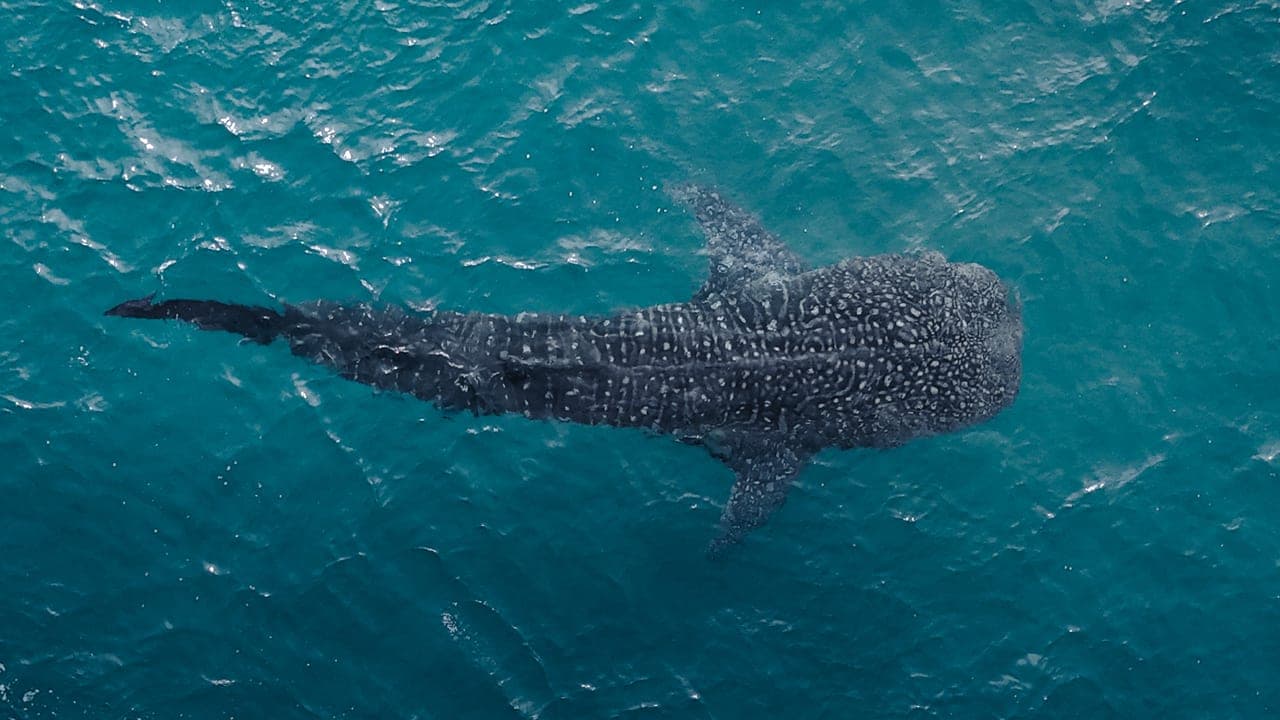
If you're coming mainly for wildlife, stay in La Paz: whale shark swims (October 1 to April 30) [2], the Los Islotes sea lion colony [3] and Espíritu Santo Island all depart from town, and La Ventana is ~1 h away [1]. From Cabo San Lucas, La Paz is about 160 km (≈ 2 h 15 min) [1]. Los Cabos makes more sense if your priority is resorts, nightlife or winter humpback whale watching [6].
Many travelers fly into Los Cabos and only later discover that what they wanted to see is in La Paz. If you're building your trip around the ocean, this comparison will save you hours on the road.
Which wildlife is close to each place
| Experience | From La Paz | From Cabo San Lucas |
|---|---|---|
| Whale sharks (La Paz Bay) | Right in town | ≈ 160 km, 2 h 15 min [1] |
| Sea lions at Los Islotes / Espíritu Santo | Boat departs from La Paz | ≈ 160 km to La Paz [1] |
| Mobulas and La Ventana safari | ≈ 50 km, 1 h [1] | ≈ 194 km, 3 h [1] |
| Gray whales at Puerto Chale (Magdalena Bay) | ≈ 180 km, 2 h 30 min [1] | ≈ 330 km, 4 h 30 min [1] |
| Diving at Cabo Pulmo | ≈ 163 km, 3 h [1] | ≈ 132 km, 2 h 30 min [1] |
Why La Paz is the natural base for wildlife
- Whale sharks: the official 2026-2027 season for swimming with them in La Paz Bay runs from October 1 to April 30 [2]. Read more in when to swim with whale sharks.
- Sea lions: Los Islotes, off La Paz, is the southernmost California sea lion breeding site in the northern hemisphere [3]. Meet the colony in Los Islotes.
- Mobulas: 209 of 221 breeding events observed in one study took place in the La Ventana and Ensenada de Muertos area [4]; La Ventana is an hour from La Paz [1].
- Gray whales: from January to March they winter in the Pacific lagoons [5]; Puerto Chale is roughly half as far from La Paz as from Cabo San Lucas [1].
What Los Cabos does better
Los Cabos has more resorts and nightlife. It's also well placed for humpback whales, found from September to April along the southern coast of the peninsula [6], and it's a little closer to Cabo Pulmo (≈ 132 km from Cabo San Lucas vs. ≈ 163 km from La Paz) [1], the reef where fish biomass grew 463% between 1999 and 2009 [7].
What about safety?
In September 2026, 33.4% of adults in La Paz and 37.8% in Los Cabos said they felt unsafe in their city, both well below the 58.1% national average [8]. More in is La Paz safe?.
Our recommendation
- Wildlife trip (3 to 7 days): stay in La Paz and, if you can, fly straight into its airport. See how many days you need.
- Combined trip: a few days in Los Cabos, then La Paz; the drive is about 2 h 15 min [1].
- Just one wildlife day from Los Cabos: a round trip to La Paz is possible, but it means more than 4 hours of driving in total [1].
Experience it with Keabelmet


Frequently asked questions
Where is it better to stay to swim with whale sharks?
In La Paz: whale sharks aggregate in its bay, and the 2026-2027 season runs from October 1 to April 30 [2].
How long does it take from Los Cabos to La Paz?
From Cabo San Lucas it's about 160 km, around 2 h 15 min without traffic [1].
Can I see whales from Los Cabos?
Yes. Humpback whales are found from September to April along the southern coast of the peninsula [6].
Can I do a La Paz tour as a day trip from Los Cabos?
Yes, but it adds more than 4 hours of round-trip driving [1]; ideally spend at least one night in La Paz.
Scientific sources
The wildlife, season and geography facts in this article come from these publications. The [n] citations in the text link here.
- Colaboradores de OpenStreetMap; cálculo de rutas con OSRM (2026). Distancias y tiempos de manejo estimados desde La Paz y desde Cabo San Lucas. OpenStreetMap. www.openstreetmap.org/directions?engine=fossgis_osrm_car&rou…
- Maya Comunicación (2026). Tiburón ballena en La Paz: sin seis ejemplares, no hay nado (aviso de la Semarnat para la temporada 2026-2027). Nota periodística. mayacomunicacion.com.mx/tiburon-ballena-la-paz-temporada-202…
- Labrada-Martagón, V., Aurioles-Gamboa, D. & Martínez-Díaz, S. F. (2005). Natural and human disturbance in a rookery of the California sea lion (Zalophus californianus californianus) in the Gulf of California, Mexico. Latin American Journal of Aquatic Mammals 4(2). doi.org/10.5597/lajam00080
- Palacios, M. D., Trejo-Ramírez, A., Velázquez-Hernández, S., Huesca-Mayorga, S. A. K., Stewart, J. D., Cronin, M. R., Lezama-Ochoa, N., Zilliacus, K. M., González-Armas, R., Galván-Magaña, F. & Croll, D. A. (2023). Reproductive behavior, seasonality, and distribution of three devil ray species (Mobula mobular, M. thurstoni, and M. munkiana) in the Southern Gulf of California, Mexico. Marine Biology 171(1): 12. doi.org/10.1007/s00227-023-04314-0
- NOAA Fisheries (2024). Gray Whale (Eschrichtius robustus). National Oceanic and Atmospheric Administration, ficha de especie. www.fisheries.noaa.gov/species/gray-whale
- Urbán R., J. & Aguayo L., A. (1987). Spatial and seasonal distribution of the humpback whale, Megaptera novaeangliae, in the Mexican Pacific. Marine Mammal Science 3(4): 333–344. doi.org/10.1111/j.1748-7692.1987.tb00320.x
- Aburto-Oropeza, O., Erisman, B., Galland, G. R., Mascareñas-Osorio, I., Sala, E. & Ezcurra, E. (2011). Large recovery of fish biomass in a no-take marine reserve. PLoS ONE 6(8): e23601. doi.org/10.1371/journal.pone.0023601
- INEGI (2026). Encuesta Nacional de Seguridad Pública Urbana (ENSU), septiembre de 2026. Reporte de resultados 49/26. Instituto Nacional de Estadística y Geografía, 23 de octubre de 2026. www.inegi.org.mx/contenidos/saladeprensa/boletines/2026/ensu…