Los Islotes: the La Paz sea lion colony that keeps growing (and why)
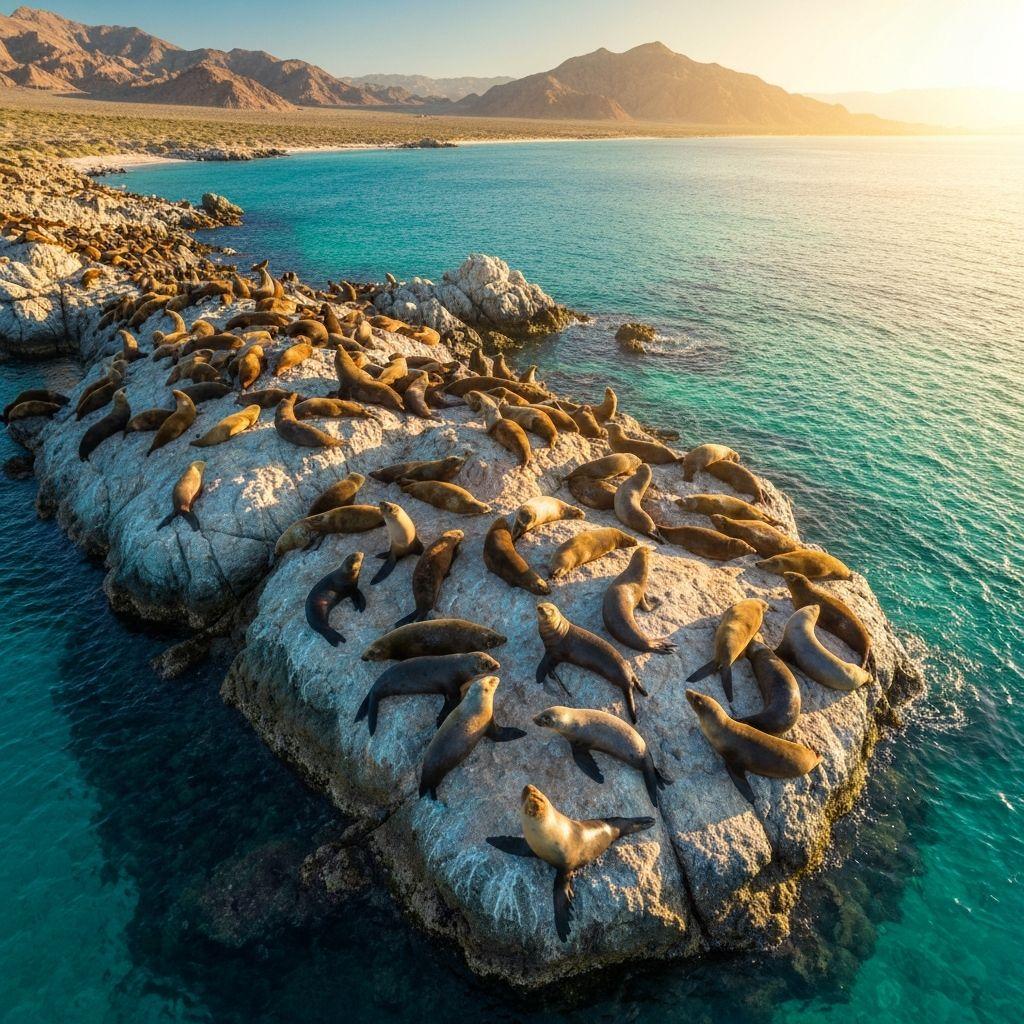
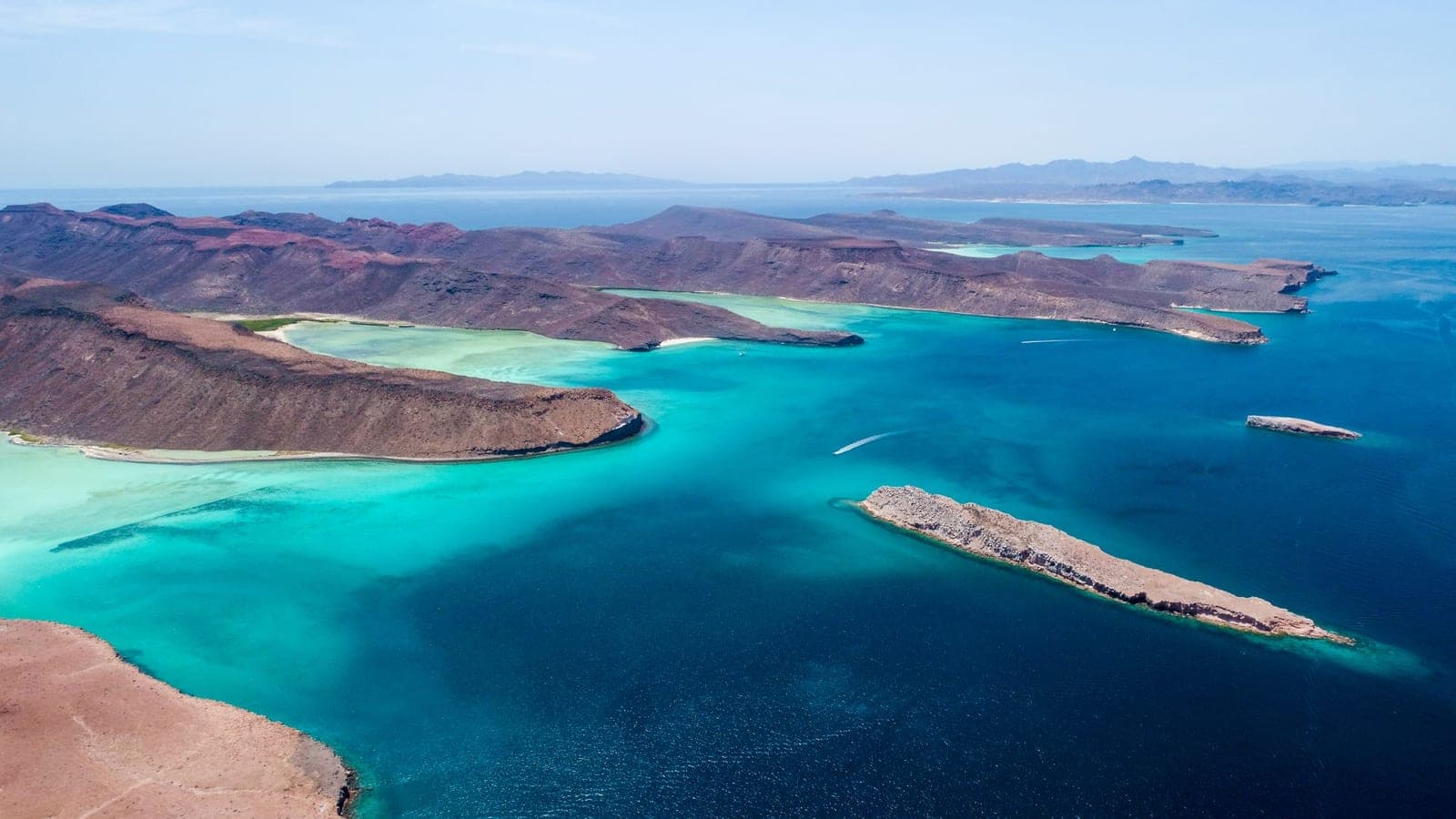
Los Islotes, in the Espíritu Santo Archipelago, is the southernmost California sea lion breeding site in the Northern Hemisphere and one of La Paz's main attractions [1]. Unlike several Gulf of California colonies that have declined, Los Islotes has grown in recent decades [2] [4] [5].
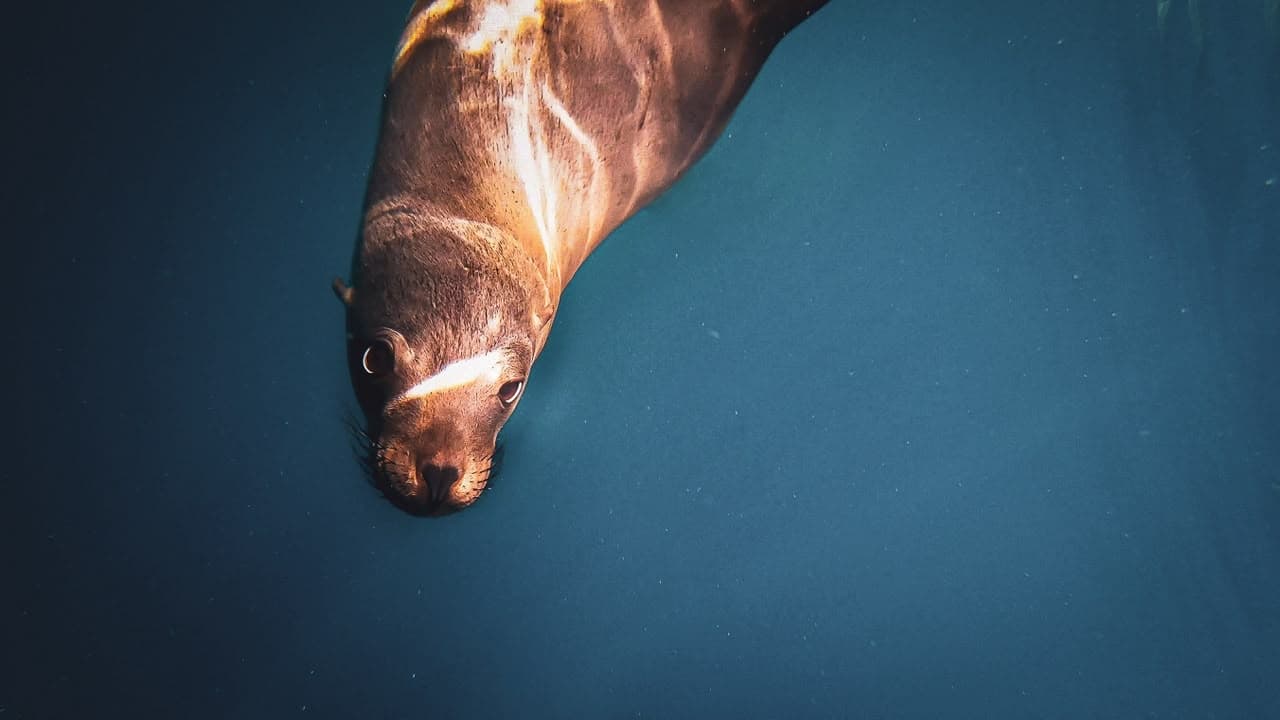
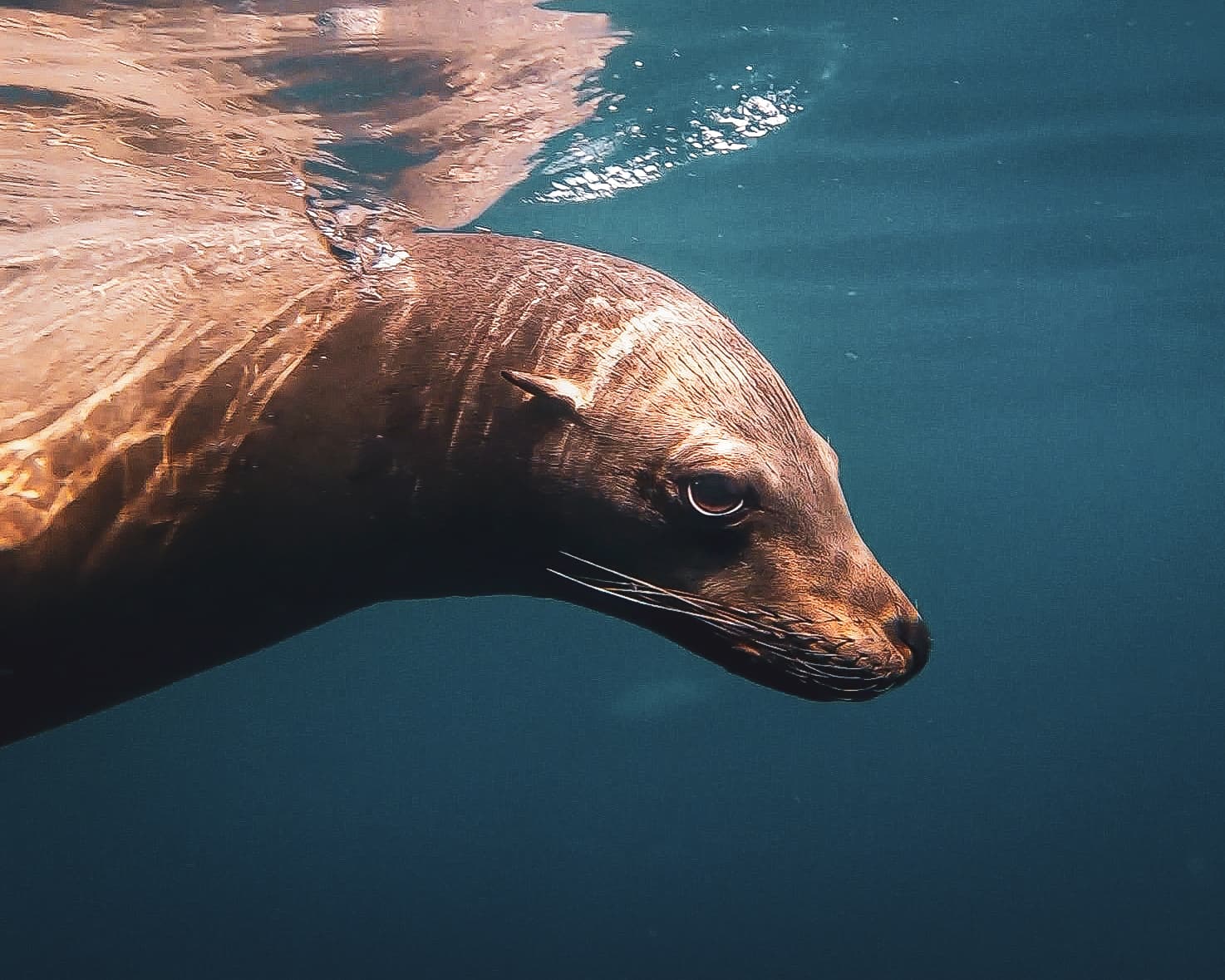
They're small rocks at the northern tip of the archipelago, but for sea lions they're home, nursery and school. For us, it's where a curious pup looks you in the eye underwater.
The southernmost colony
Los Islotes is the southernmost California sea lion breeding site in the Northern Hemisphere [1]. The Gulf of California has 13 breeding colonies, each with its own population trend [3].
A colony that grows while others decline
An analysis of 1970–2004 census data estimated about 17,484 sea lions in the Gulf of California in 2004, including 4,299 pups; only four of the thirteen colonies showed increasing trends, and Los Islotes was one of them [2]. Later studies confirm that, although the population and births have declined significantly in the Gulf [3], Los Islotes deviates from that pattern [4] and has increased significantly over the last three decades [5].
Who eats what
A stable-isotope study at Los Islotes found each group feeds differently: adult males sit higher in the food chain than females; subadult males carry the chemical signature of the Pacific Ocean; and juveniles forage further offshore while mixing mother's milk with their first prey [4]. Splitting food this way may help avoid competition [4].
Breeding season
At Los Islotes births are less synchronized among females than at Los Cantiles, in the northern Gulf [6]. To protect this stage, Conanp restricts swimming, free diving and scuba diving at Los Islotes from June 1 to August 31 [7]. We explain it in detail in swimming with sea lions in La Paz.
Do visitors affect them? Yes, which is why how we arrive matters
A year-long study at the colony recorded 112 disturbances (moments when the sea lions react and get agitated). Most had natural causes, but a quarter were triggered by human activity within 20 m of the colony, and in 32% of those the animals fled into the water [1]. Disturbances were most frequent in autumn and winter, when there's more tourism and more males in the colony, and least frequent in summer [1].
- We arrive slowly with the engine low.
- We keep our distance from the rocks, especially from the males.
- We don't feed, touch or chase them.
- In summer we watch them from the boat, as the rules require.
Experience it with Keabelmet


Frequently asked questions
Where is Los Islotes?
In the Espíritu Santo Archipelago, off La Paz, in the southern Gulf of California. It's the southernmost California sea lion breeding site in the Northern Hemisphere [1].
How many sea lions are there in the Gulf of California?
One study estimated about 17,484 in 2004, including 4,299 pups, across 13 colonies [2].
Is the Los Islotes colony growing?
Yes. While the population and births have declined in the Gulf [3], Los Islotes has grown significantly in recent decades [4] [5].
When can't you swim at Los Islotes?
From June 1 to August 31, during the breeding season [7].
Scientific sources
The wildlife, season and geography facts in this article come from these publications. The [n] citations in the text link here.
- Labrada-Martagón, V., Aurioles-Gamboa, D. & Martínez-Díaz, S. F. (2005). Natural and human disturbance in a rookery of the California sea lion (Zalophus californianus californianus) in the Gulf of California, Mexico. Latin American Journal of Aquatic Mammals 4(2). doi.org/10.5597/lajam00080
- Szteren, D., Aurioles, D. & Gerber, L. R. (2006). Population status and trends of the California sea lion (Zalophus californianus californianus) in the Gulf of California, Mexico. Sea Lions of the World, Alaska Sea Grant College Program: 369–384. doi.org/10.4027/slw.2006.25
- Pelayo-González, L., Hernández-Camacho, C. J., Aurioles-Gamboa, D., Gallo-Reynoso, J. P., Barba-Acuña, I. D., et al. (2021). Effect of environmental variables on the number of births at California sea lion (Zalophus californianus) rookeries throughout the Gulf of California, Mexico. Aquatic Conservation: Marine and Freshwater Ecosystems 31(7): 1730–1748. doi.org/10.1002/aqc.3545
- Elorriaga-Verplancken, F. R., Enríquez-García, A. B. & Cruz-Vallejo, R. A. (2025). Foraging Resource Partitioning in the California Sea Lion (Zalophus californianus) from the Southwestern Gulf of California. Diversity 17(3): 166. doi.org/10.3390/d17030166
- Rayas-Estrada, A. & Hernández-Camacho, C. J. (2019). Fine-scale site fidelity in California sea lions, Zalophus californianus, in the colony at Los Islotes, La Paz Bay, Mexico. Ciencias Marinas 45(4). doi.org/10.7773/cm.v45i4.3019
- García-Aguilar, M. C. & Aurioles-Gamboa, D. (2003). Breeding season of the California sea lion (Zalophus californianus) in the Gulf of California, Mexico. Aquatic Mammals 29(1): 67–76. doi.org/10.1578/016754203101024086
- Comisión Nacional de Áreas Naturales Protegidas (Conanp) (2018). Restricción de nado, buceo libre y buceo autónomo en Los Islotes durante la temporada reproductiva del lobo marino. Parque Nacional Zona Marina del Archipiélago de Espíritu Santo. Documento de caso publicado en PANORAMA Solutions. panorama.solutions/sites/default/files/restriccion_nado_islo…