What is a marine safari? How we search for mobulas, dolphins and whales in La Ventana

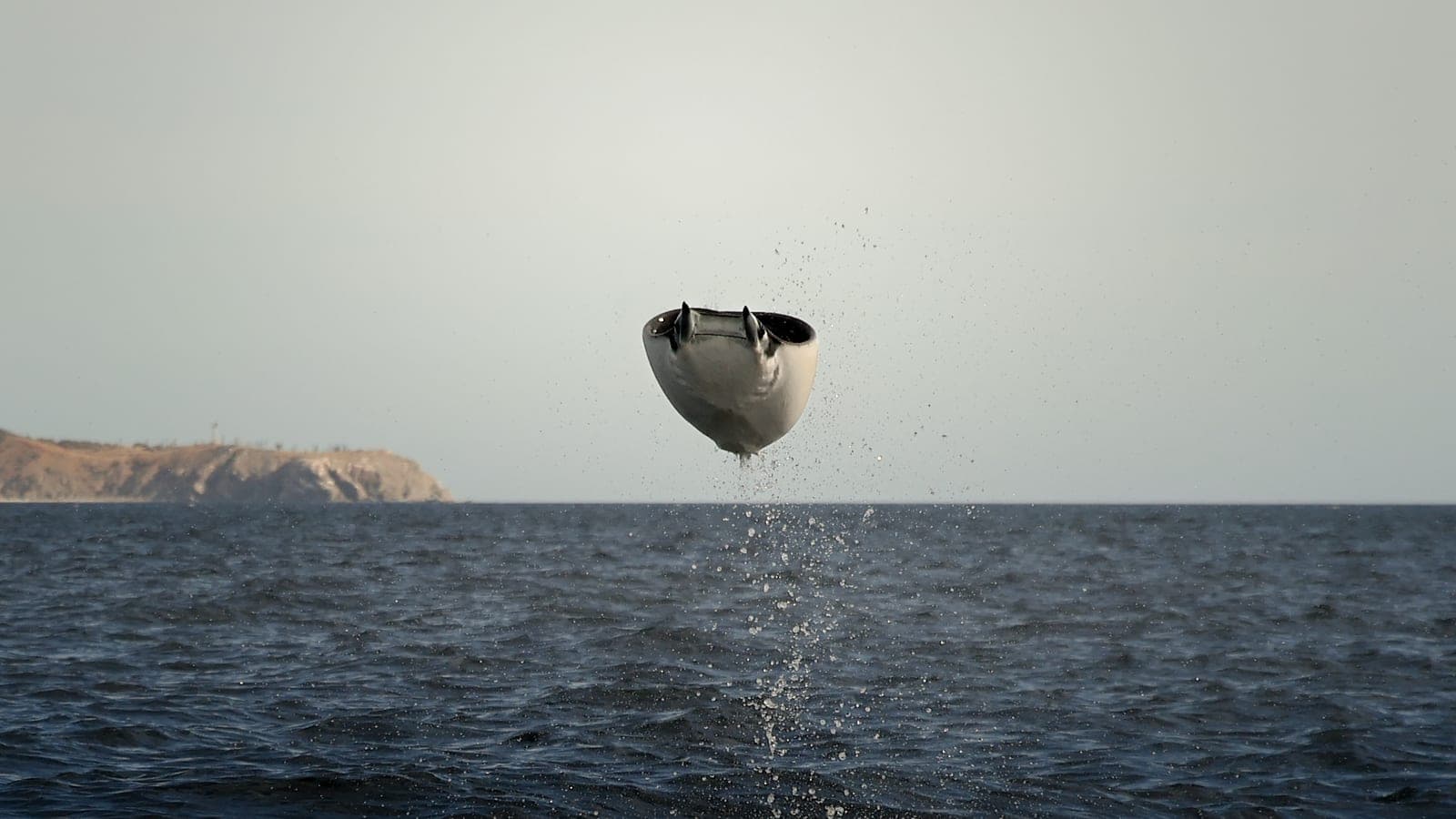
A marine safari is a boat trip to find wildlife in the wild without a fixed route: you read birds, blows and jumps to find dolphins, mobulas or whales. La Ventana is especially interesting because the La Ventana and Ensenada de Muertos area concentrated 209 of 221 mobula reproductive events recorded in one study [1]. With Keabelmet it lasts about 6 hours and costs $3,000 MXN per person on a shared trip.
On land, a safari means going out to find wild animals in their habitat. At sea it's the same: there's no place where the animals wait for you. There are seasons, signs and a lot of patience.
How it differs from a regular tour
| Tour with stops | Marine safari | |
|---|---|---|
| Route | Fixed (beaches, reefs) | Changes with the signs at sea |
| Goal | Visit places | Find and watch wildlife |
| Getting in the water | At known sites | Only if the animal, the sea and safety allow |
| Outcome | Predictable | Every trip is different |
Why La Ventana?
La Ventana faces the Cerralvo channel. A study combining boats, drones, spotter planes and citizen reports found that courtship and mating of three mobula species happen from March to August, peaking in May, and that 209 of 221 events were concentrated around La Ventana and Ensenada de Muertos [1]. More in when to see mobula rays in La Ventana.
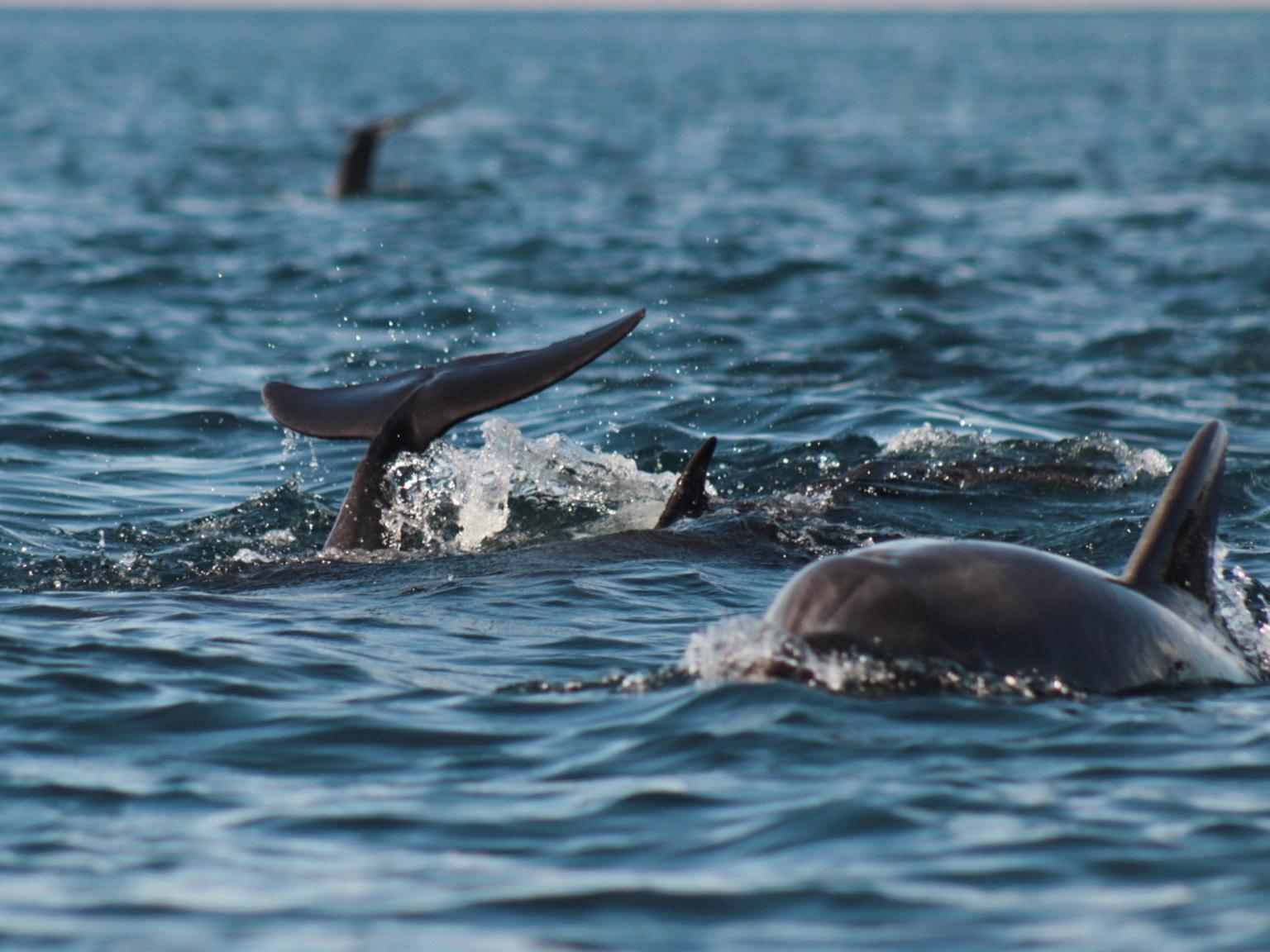
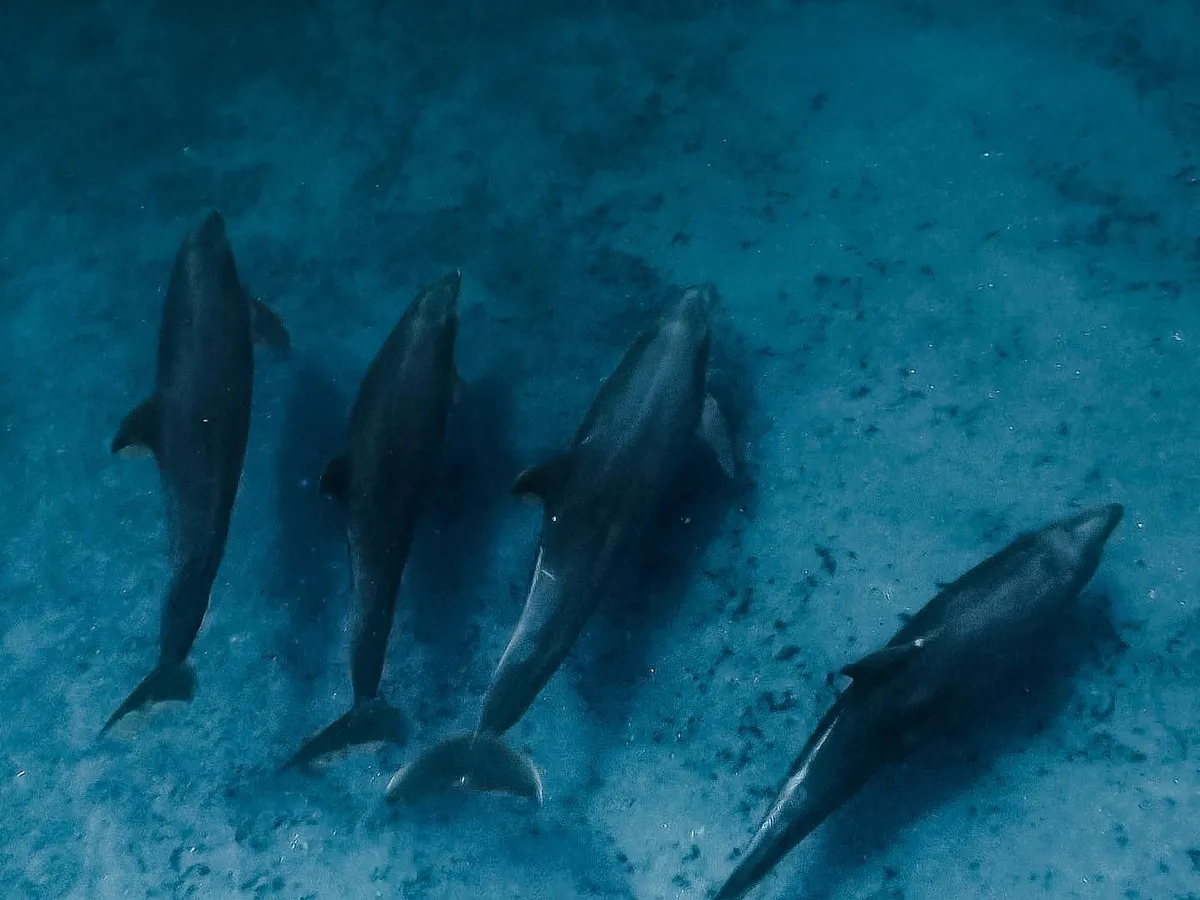
In nearby La Paz Bay, a 1988–1991 study recorded six toothed cetacean species and six baleen whale species; the most important were the long-beaked common dolphin, the bottlenose dolphin and the Bryde's whale [2]. Read dolphins in the Sea of Cortez.
What you can see
| Frequency | Species |
|---|---|
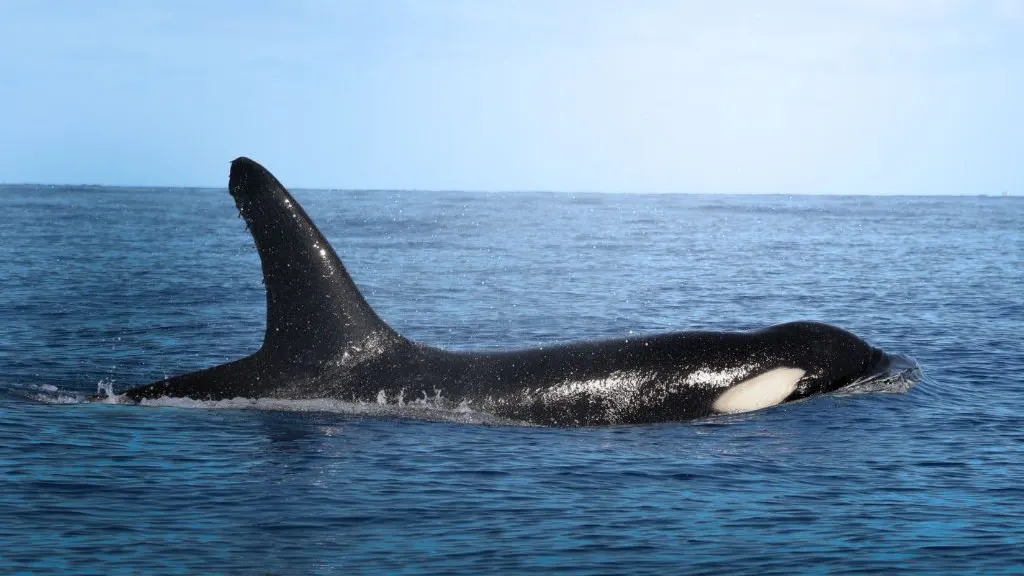
| Most common | Dolphins, mobulas (in season), whales, sea lions |
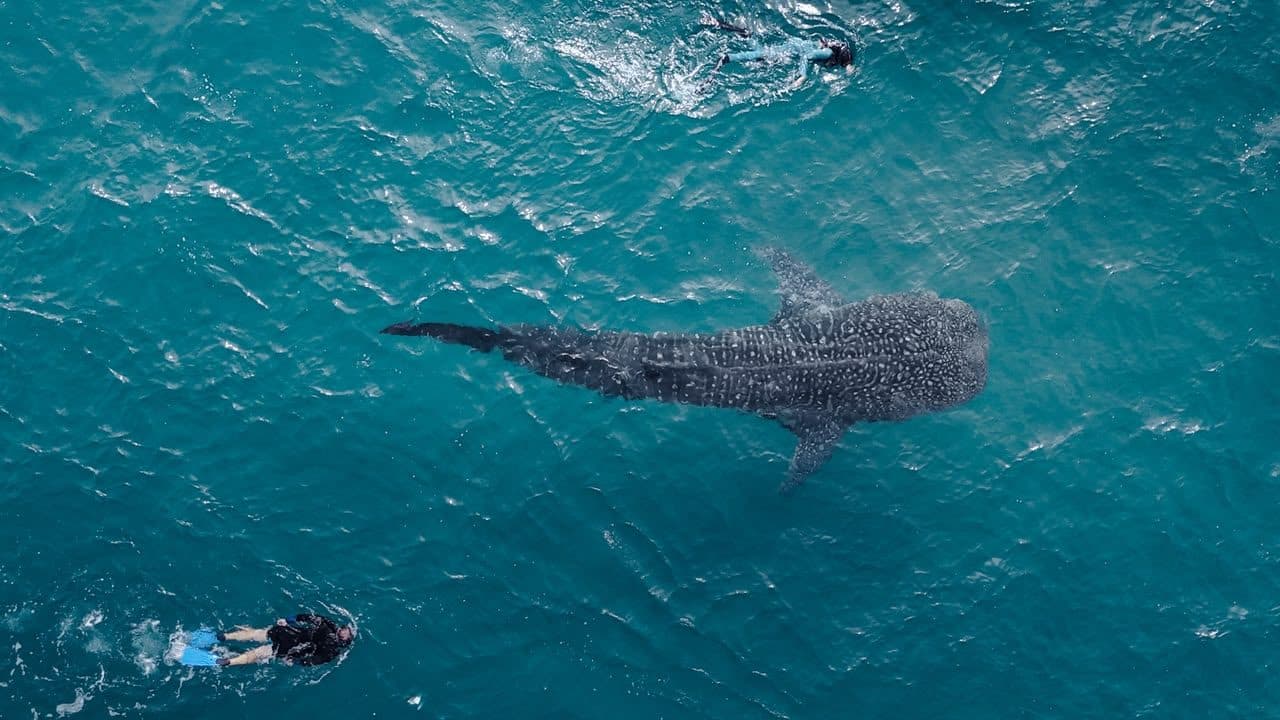
| Occasional | Orcas, sperm whales, pilot whales, false killer whales, beaked whales, giant mantas, whale sharks |
How to watch respectfully
With whales, Mexico's NOM-131-SEMARNAT-2010 sets how to approach: under 5 knots in whale areas, a diagonal approach from behind, a maximum of 30 minutes per whale or group, and never between a mother and her calf [3]. Swimming or diving with whales is prohibited [3]. Read more in responsible wildlife tourism.
What Keabelmet's safari is like
| La Ventana safari | |
|---|---|
| Duration | ≈ 6 hours, leaving 8:00 am |
| Group | 2 to 8 people |
| Price | Shared $3,000 MXN per person; private $16,000 MXN per boat |
| Minimum age | 14 on shared trips (younger kids on private trips) |
| Includes | Marine biologist guide, snorkel gear, wetsuit, picnic (ceviche, fruit, snacks and drinks), photos and video |
| Meeting point | Keabelmet Expeditions, La Ventana |
| Transport from La Paz | Optional, $1,000 MXN (up to 4 people) |
Experience it with Keabelmet
Frequently asked questions
What is a marine safari?
A boat trip to find wildlife in the wild with no fixed route, following the signs at sea.
When is the best time for a safari in La Ventana?
For mobulas, March to August, peaking in May [1]; dolphins and sea lions can be seen much of the year.
Can you swim with whales on the safari?
No. NOM-131 prohibits swimming and diving with whales [3]; they're watched from the boat.
How much is the La Ventana marine safari?
With Keabelmet, $3,000 MXN per person shared or $16,000 MXN for a private boat.
Scientific sources
The wildlife, season and geography facts in this article come from these publications. The [n] citations in the text link here.
- Palacios, M. D., Trejo-Ramírez, A., Velázquez-Hernández, S., Huesca-Mayorga, S. A. K., Stewart, J. D., Cronin, M. R., Lezama-Ochoa, N., Zilliacus, K. M., González-Armas, R., Galván-Magaña, F. & Croll, D. A. (2023). Reproductive behavior, seasonality, and distribution of three devil ray species (Mobula mobular, M. thurstoni, and M. munkiana) in the Southern Gulf of California, Mexico. Marine Biology 171(1): 12. doi.org/10.1007/s00227-023-04314-0
- Flores-Ramírez, S., Urbán-R., J., Villarreal-Chávez, G. & Valles-Jiménez, R. (1996). Spatial and temporal changes in the cetacean community structure at Bahía de La Paz, BCS, México (1988-1991). Ciencias Marinas 22(2): 151–173. doi.org/10.7773/cm.v22i2.856
- Secretaría de Medio Ambiente y Recursos Naturales (Semarnat) (2011). NOM-131-SEMARNAT-2010. Que establece lineamientos y especificaciones para el desarrollo de actividades de aprovechamiento no extractivo de ballenas, relativas a su protección y la conservación de su hábitat. Diario Oficial de la Federación, 17 de octubre de 2011. dof.gob.mx/normasOficiales/4526/SEMARNAT/SEMARNAT.htm