Responsible marine wildlife tourism in Baja California Sur: the rules that really matter
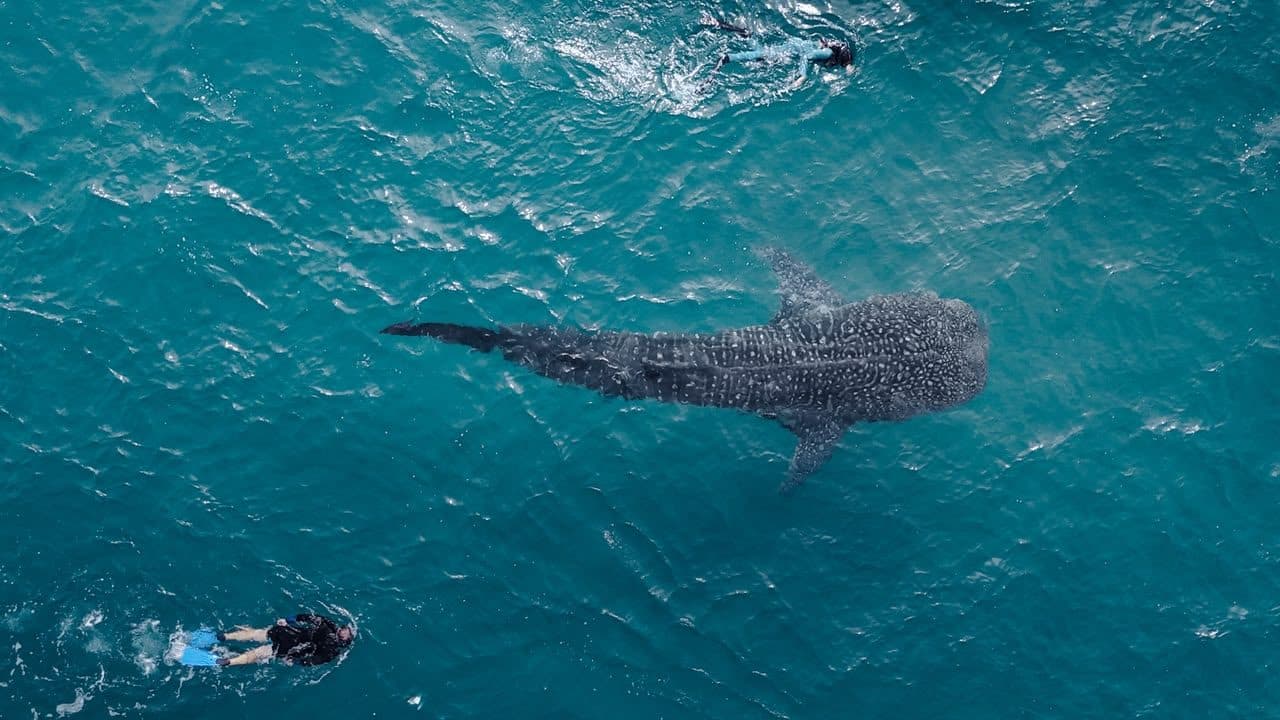
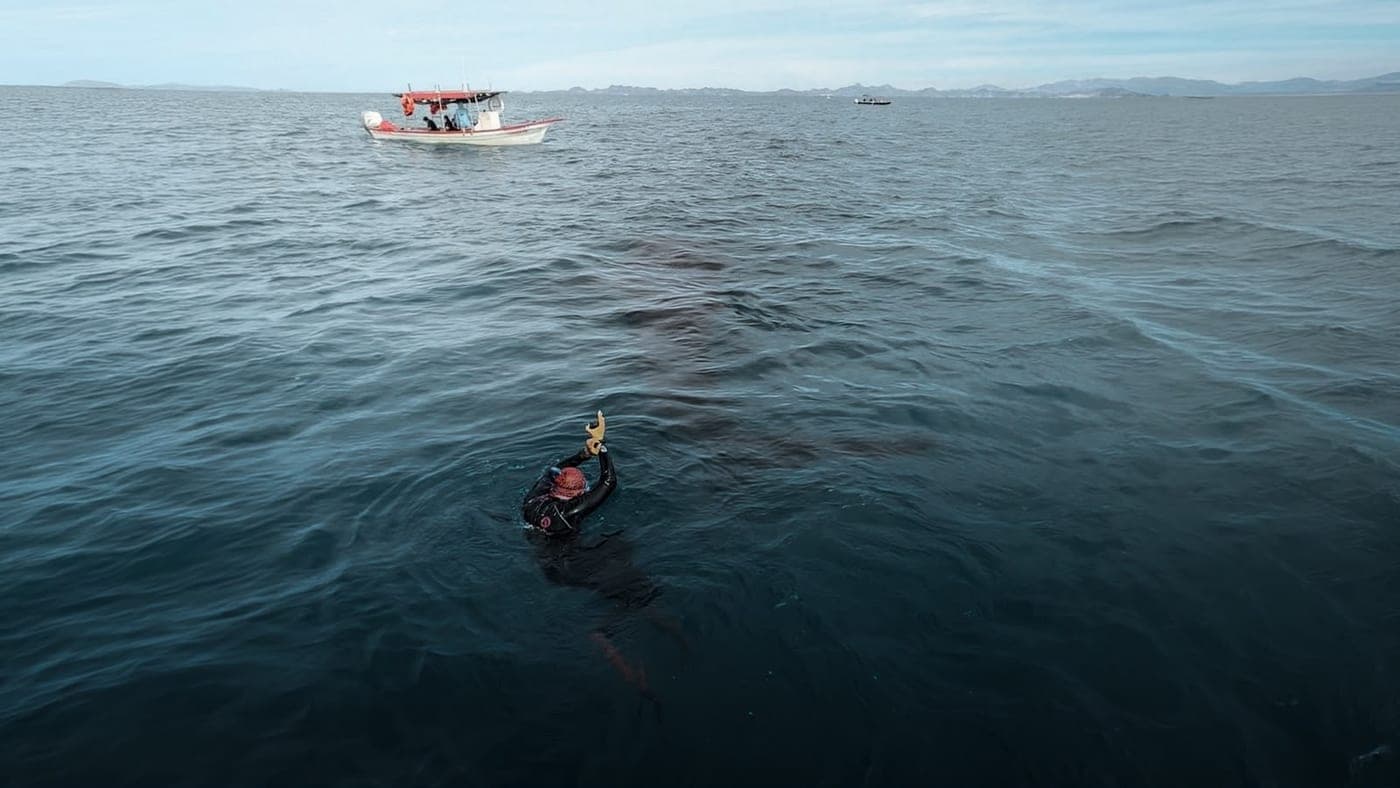
In Baja California Sur, marine wildlife watching has official rules: with whale sharks, 2 m from the head, 3 m from the tail and 30 minutes max per boat [1]; with whales, small boats no closer than 60 m (gray and humpback), 4 boats and 30 minutes max per whale [2]; and with sea lions, no swimming at Los Islotes from June 1 to August 31 [3]. Animals are never touched, fed or chased.
Wildlife encounters in La Paz are possible because the animals keep coming back. Following the rules isn't red tape: it's what makes next season possible too.
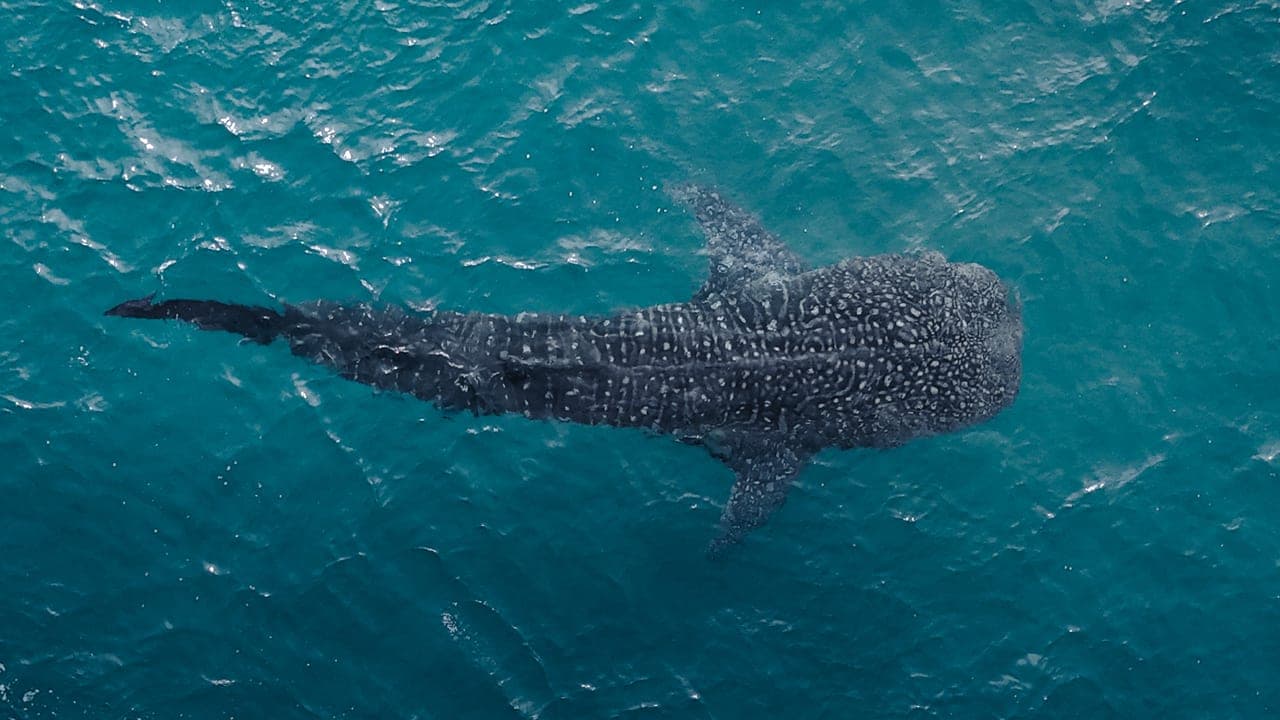
Whale sharks (NOM-171-SEMARNAT-2018)
- 2 meters from the head and sides; 3 meters from the tail [1].
- Up to 5 swimmers per guide [1].
- One boat per shark, 30 minutes max; the next waits 50 m away [1].
- The boat approaches from behind and to the side, no closer than 5 m [1].
- No touching, no flash and reef-safe sunscreen only [1].
For the 2026–2027 season in La Paz, Semarnat announced swimming only opens when there are at least six sharks in the area [5]. More in whale shark swimming rules.
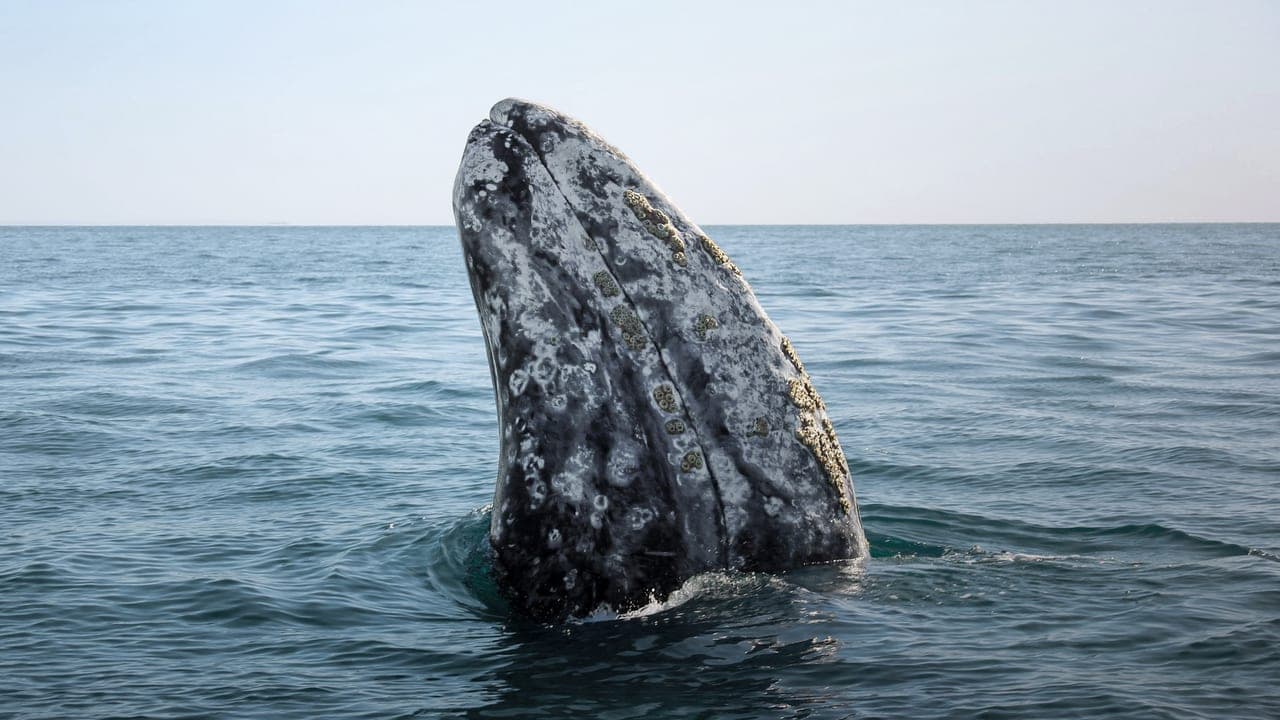
Whales (NOM-131-SEMARNAT-2010)
| Rule | What the standard says |
|---|---|
| Speed | Under 5 knots in whale areas; 2 knots entering the observation zone [2] |
| Waiting distance | 240 m |
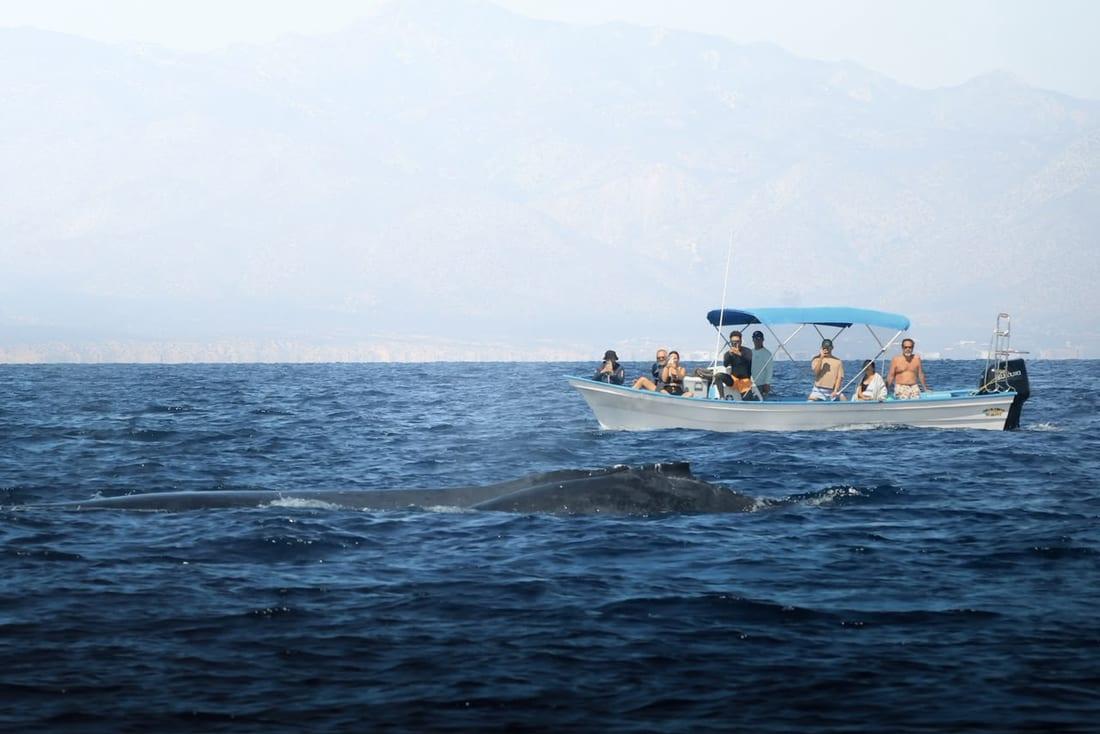
| Observation distance | Gray, humpback, Bryde's, minke, sei and sperm whales: 60 m (small boat) or 80 m (medium or large). Blue and fin whales: 100 m or 120 m |
| Boats per whale or group | Maximum 4 |
| Time | Maximum 30 minutes |
| How to approach | Diagonally, from the rear side, moving parallel |
| If the whale approaches | Engine in neutral and move away slowly |
The standard prohibits harassing whales, splitting up the group, getting between mother and calf, and swimming or diving with them; jet skis and kayaks aren't allowed for whale watching either [2].
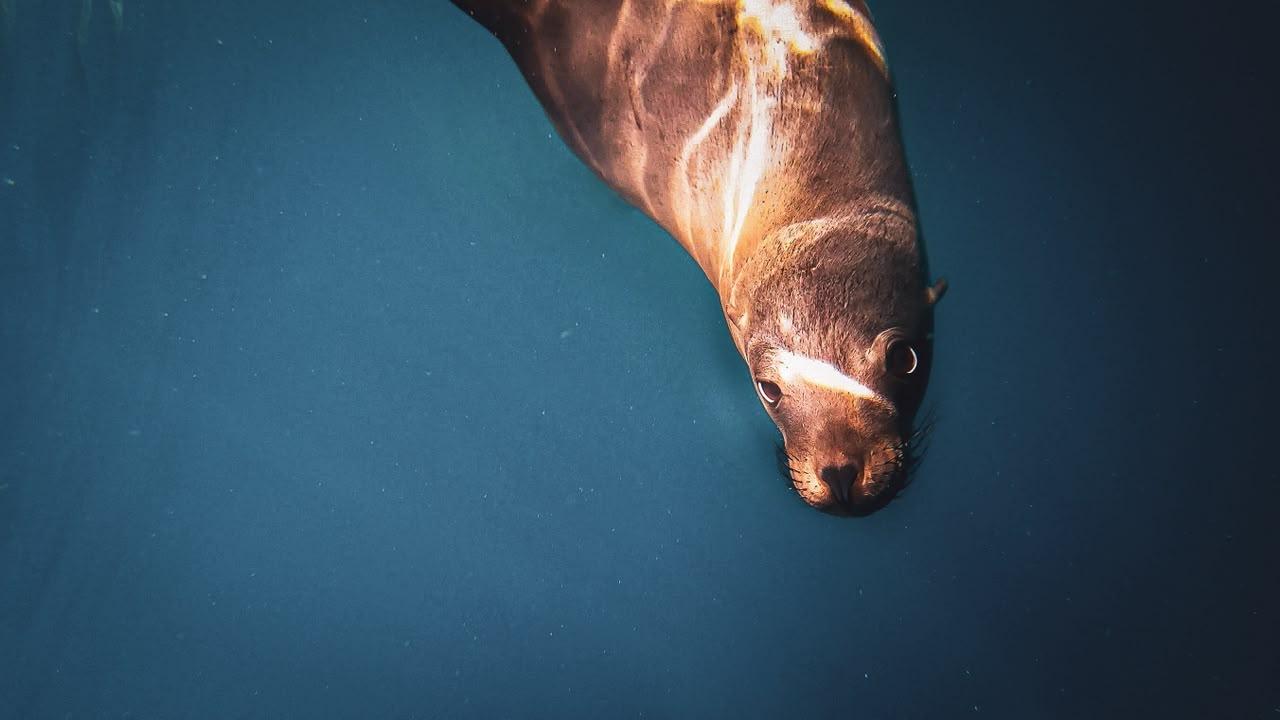
Sea lions (Conanp)
From June 1 to August 31, Conanp restricts swimming, freediving and scuba at Los Islotes during the breeding season [3]. A study at the colony found a quarter of disturbances were caused by human activity within 20 m, and in 32% of those the sea lions fled into the water [4].
The Keabelmet code
- We don't chase, call or feed animals.
- We don't promise species or guaranteed encounters.
- Small groups and a briefing before getting in the water.
- We respect closed seasons even when there's demand.
Experience it with Keabelmet
Frequently asked questions
How far should I stay from a whale shark?
At least 2 meters from the head and sides and 3 meters from the tail [1].
How close can you watch whales in Mexico?
For gray and humpback whales, 60 m in small boats and 80 m in medium or large ones; boats wait at 240 m [2].
Can you swim with whales in Mexico?
No. NOM-131 prohibits swimming and diving with whales [2].
When can't you swim with sea lions in La Paz?
From June 1 to August 31, at Los Islotes [3].
Scientific sources
The wildlife, season and geography facts in this article come from these publications. The [n] citations in the text link here.
- Secretaría de Medio Ambiente y Recursos Naturales (Semarnat) (2019). NOM-171-SEMARNAT-2018. Que establece las especificaciones para el desarrollo de actividades de aprovechamiento no extractivo para la observación y nado con Tiburón Ballena (Rhincodon typus), relativas a su protección y a la conservación de su hábitat. Diario Oficial de la Federación, 19 de noviembre de 2019. sidof.segob.gob.mx/notas/docFuente/5579132
- Secretaría de Medio Ambiente y Recursos Naturales (Semarnat) (2011). NOM-131-SEMARNAT-2010. Que establece lineamientos y especificaciones para el desarrollo de actividades de aprovechamiento no extractivo de ballenas, relativas a su protección y la conservación de su hábitat. Diario Oficial de la Federación, 17 de octubre de 2011. dof.gob.mx/normasOficiales/4526/SEMARNAT/SEMARNAT.htm
- Comisión Nacional de Áreas Naturales Protegidas (Conanp) (2018). Restricción de nado, buceo libre y buceo autónomo en Los Islotes durante la temporada reproductiva del lobo marino. Documento de caso publicado en PANORAMA Solutions. panorama.solutions/sites/default/files/restriccion_nado_islo…
- Labrada-Martagón, V., Aurioles-Gamboa, D. & Martínez-Díaz, S. F. (2005). Natural and human disturbance in a rookery of the California sea lion (Zalophus californianus californianus) in the Gulf of California, Mexico. Latin American Journal of Aquatic Mammals 4(2). doi.org/10.5597/lajam00080
- Maya Comunicación (2026). Tiburón ballena en La Paz: sin seis ejemplares, no hay nado (aviso de la Semarnat para la temporada 2026-2027). Nota periodística. mayacomunicacion.com.mx/tiburon-ballena-la-paz-temporada-202…