How to choose a tour operator in La Paz: 10 questions before you pay
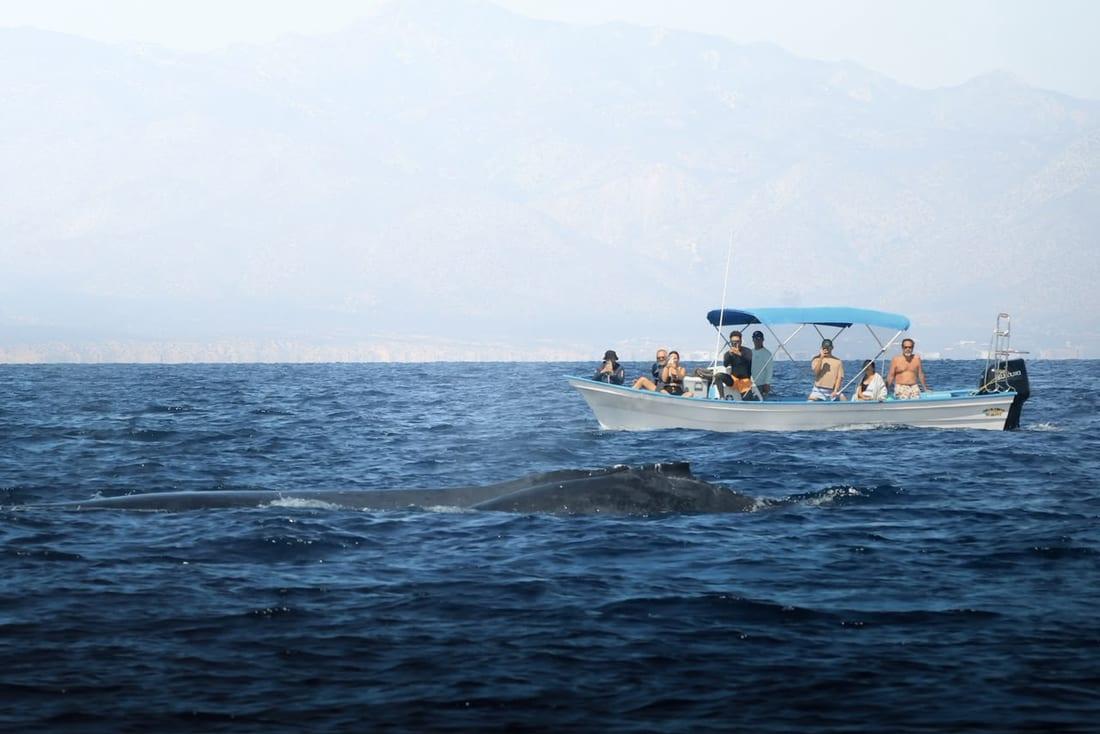
Choose an operator that follows the official standards (NOM-171 for whale sharks, NOM-131 for whales), with guides accredited under NOM-09-TUR-2002 [2], small groups and clear wildlife rules. The UK government recommends using reputable, licensed and insured companies [1]. Be wary of anyone guaranteeing you can touch animals or swim with sea lions in summer [5].
La Paz has plenty of boats and plenty of prices. The difference between a good and a bad operator doesn't always show in the photos: it shows in how they care for people and animals.
The 10 questions
- Do your guides hold a credential? NOM-09-TUR-2002 regulates specialized guides; the credential is issued by Mexico's Ministry of Tourism [2].
- Do they know first aid? Getting the credential requires a current first aid and CPR certificate [2].
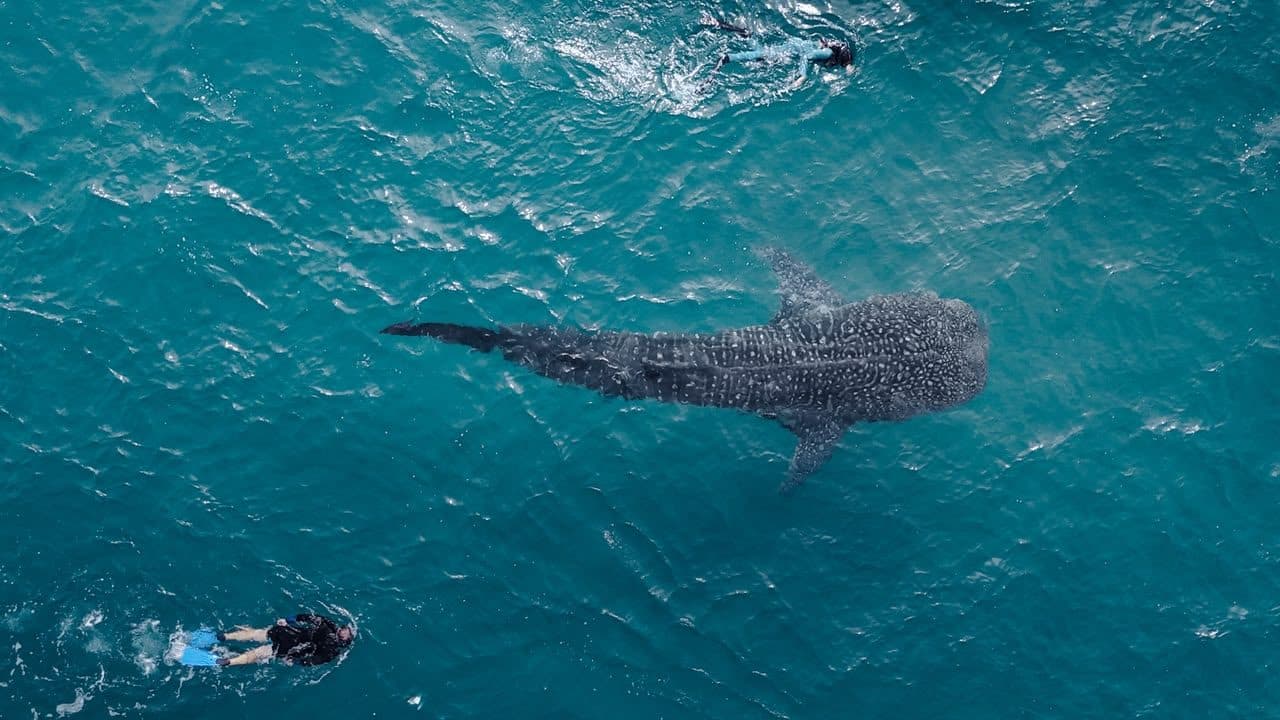
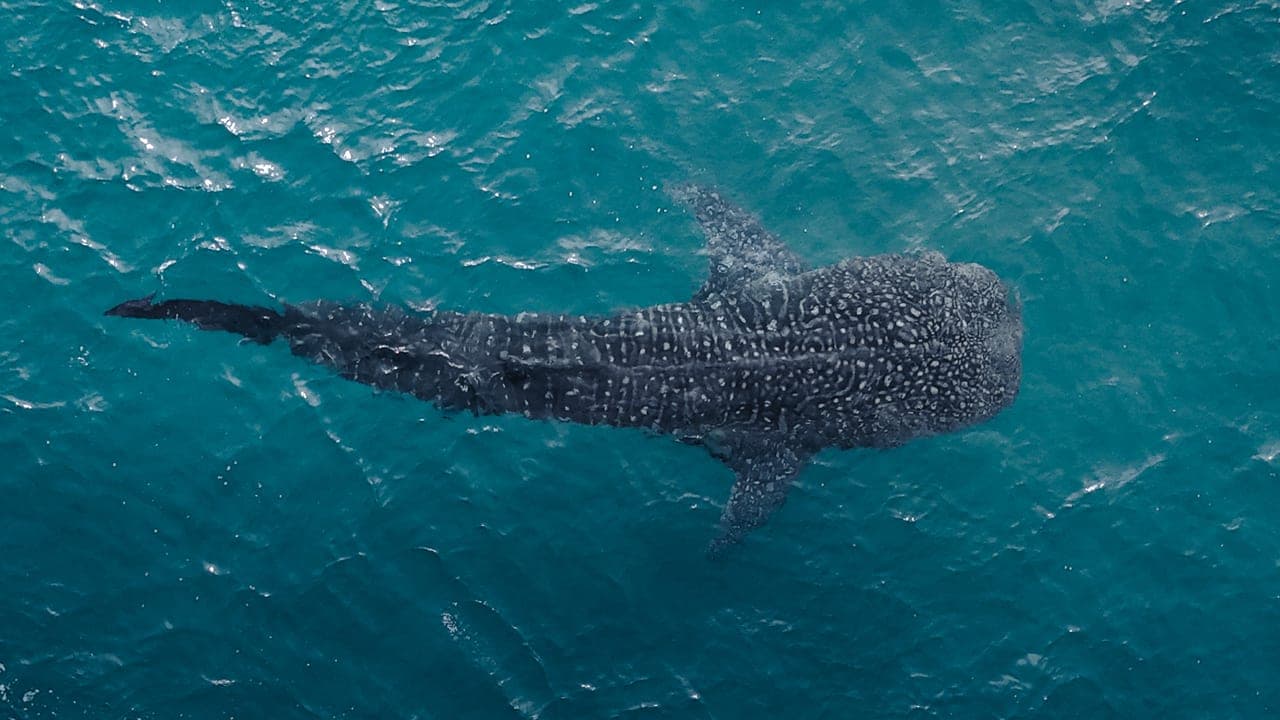
- How many people per guide in the water? With whale sharks, the standard sets one guide per group of up to 5 swimmers [3].
- How long will we stay with the animal? With whale sharks and whales, the maximum is 30 minutes per boat or per whale [3] [4].
- What if we don't find animals? Ask about the rescheduling or refund policy.
- Are you insured? The UK recommends licensed and insured companies [1].
- What does the price include? Park wristbands, gear, food, photos, transport.
- Does the boat have shade and a bathroom? It matters on multi-hour tours.
- What's the minimum age? It varies by activity.
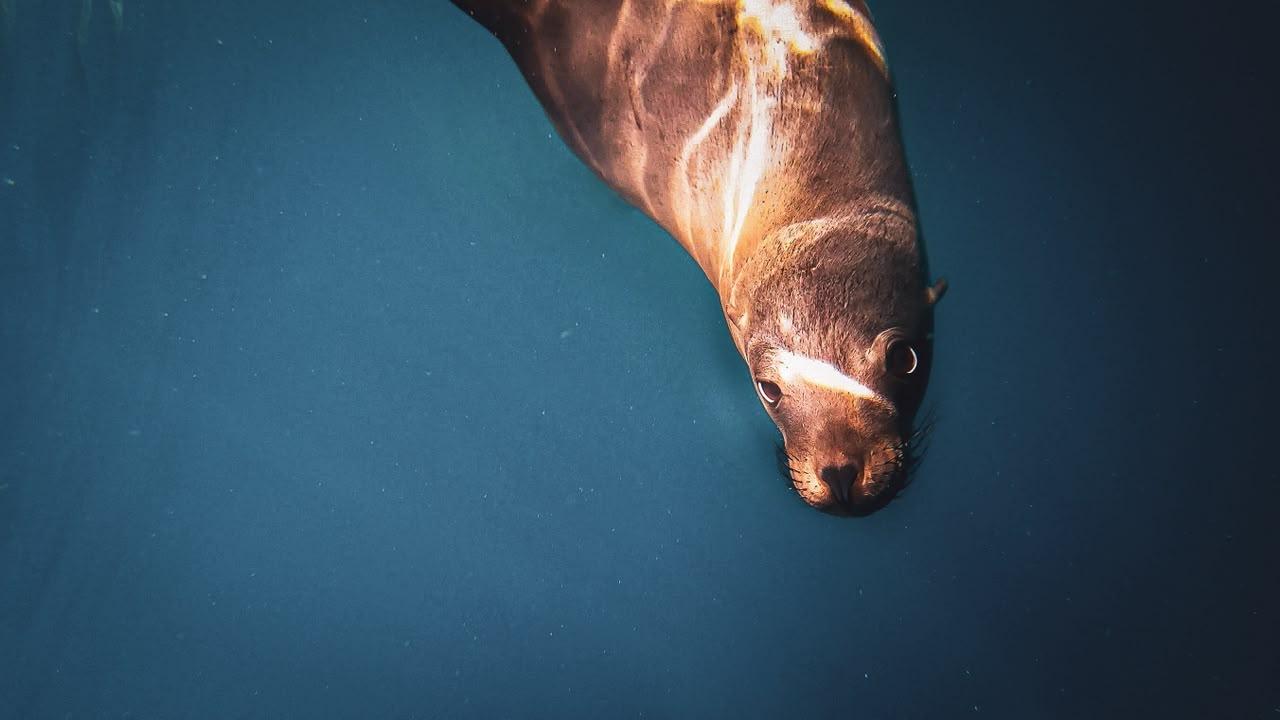
- Do you respect the seasons? For example, there's no swimming with sea lions at Los Islotes from June 1 to August 31 [5].
If you're going diving
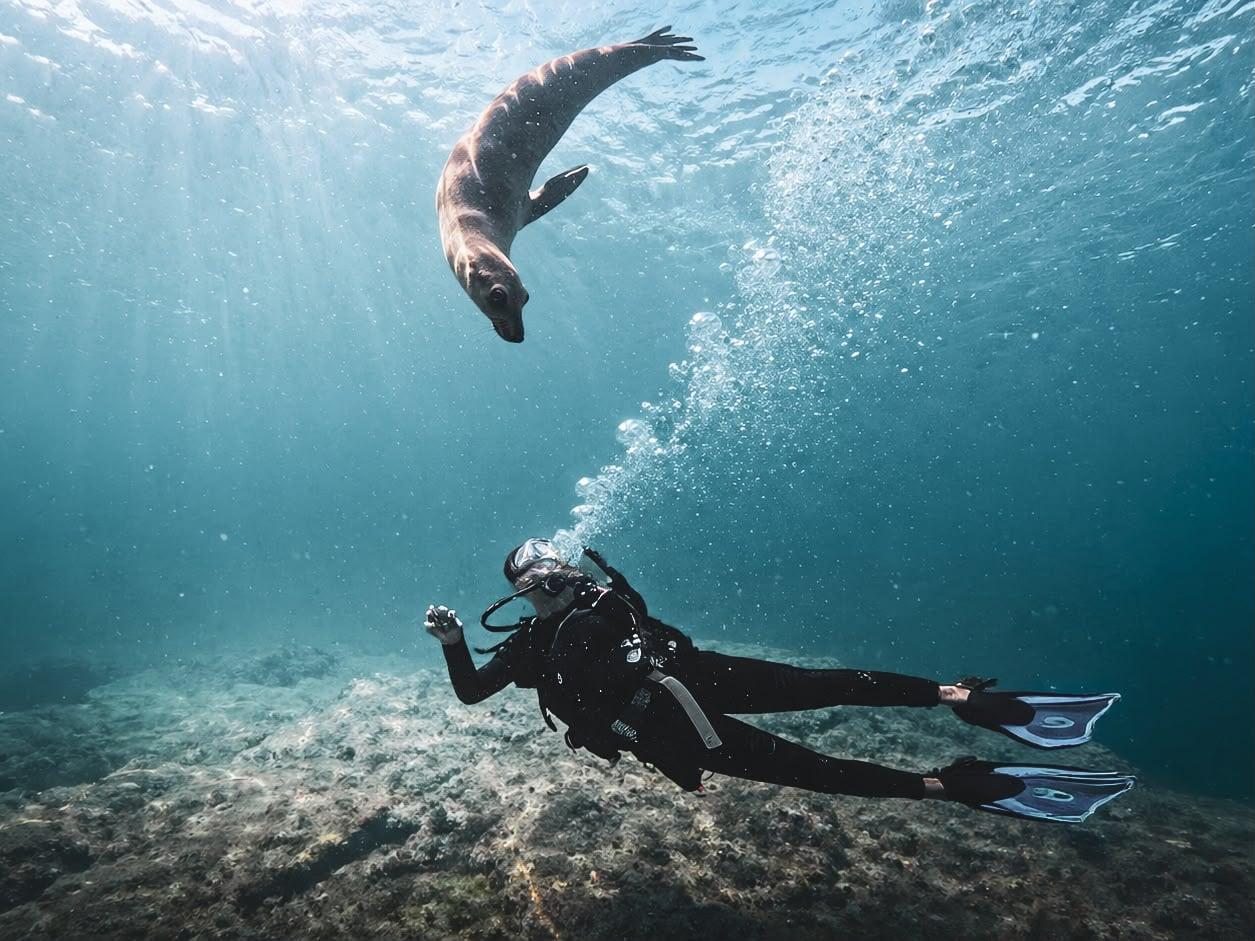
NOM-09-TUR-2002 sets clear limits for guided diving: a guide may take at most two uncertified tourists (with an introductory course) and up to eight certified tourists; someone with only an introductory course shouldn't go below 12 meters [2]. The guide must also know the nearest hyperbaric chamber and cancel the dive if there's risk [2]. Read diving without certification.
Red flags
- They promise you can touch or feed animals.
- Several boats surround or chase the same animal.
- They offer swimming with sea lions at Los Islotes in July [5].
- Nobody gives instructions before you get in the water.
- They won't clearly say what's included or what happens if it's canceled.
Experience it with Keabelmet
Frequently asked questions
What is NOM-09 on tours?
NOM-09-TUR-2002 is Mexico's standard for specialized guides; their credential is issued by the Ministry of Tourism [2].
How many swimmers can a whale shark guide take?
Up to 5 per guide, under NOM-171 [3].
How many divers can a guide take?
Under NOM-09-TUR-2002, at most 2 uncertified and up to 8 certified [2].
Scientific sources
The wildlife, season and geography facts in this article come from these publications. The [n] citations in the text link here.
- Foreign, Commonwealth & Development Office (Reino Unido) (2026). Mexico travel advice. GOV.UK (actualizado el 20 de octubre de 2026). www.gov.uk/foreign-travel-advice/mexico
- Secretaría de Turismo (Sectur) (2003). NOM-09-TUR-2002. Que establece los elementos a que deben sujetarse los guías especializados en actividades específicas. Diario Oficial de la Federación. dof.gob.mx/nota_detalle_popup.php?codigo=692894
- Secretaría de Medio Ambiente y Recursos Naturales (Semarnat) (2019). NOM-171-SEMARNAT-2018. Que establece las especificaciones para el desarrollo de actividades de aprovechamiento no extractivo para la observación y nado con Tiburón Ballena (Rhincodon typus), relativas a su protección y a la conservación de su hábitat. Diario Oficial de la Federación, 19 de noviembre de 2019. sidof.segob.gob.mx/notas/docFuente/5579132
- Secretaría de Medio Ambiente y Recursos Naturales (Semarnat) (2011). NOM-131-SEMARNAT-2010. Que establece lineamientos y especificaciones para el desarrollo de actividades de aprovechamiento no extractivo de ballenas, relativas a su protección y la conservación de su hábitat. Diario Oficial de la Federación, 17 de octubre de 2011. dof.gob.mx/normasOficiales/4526/SEMARNAT/SEMARNAT.htm
- Comisión Nacional de Áreas Naturales Protegidas (Conanp) (2018). Restricción de nado, buceo libre y buceo autónomo en Los Islotes durante la temporada reproductiva del lobo marino. Documento de caso publicado en PANORAMA Solutions. panorama.solutions/sites/default/files/restriccion_nado_islo…