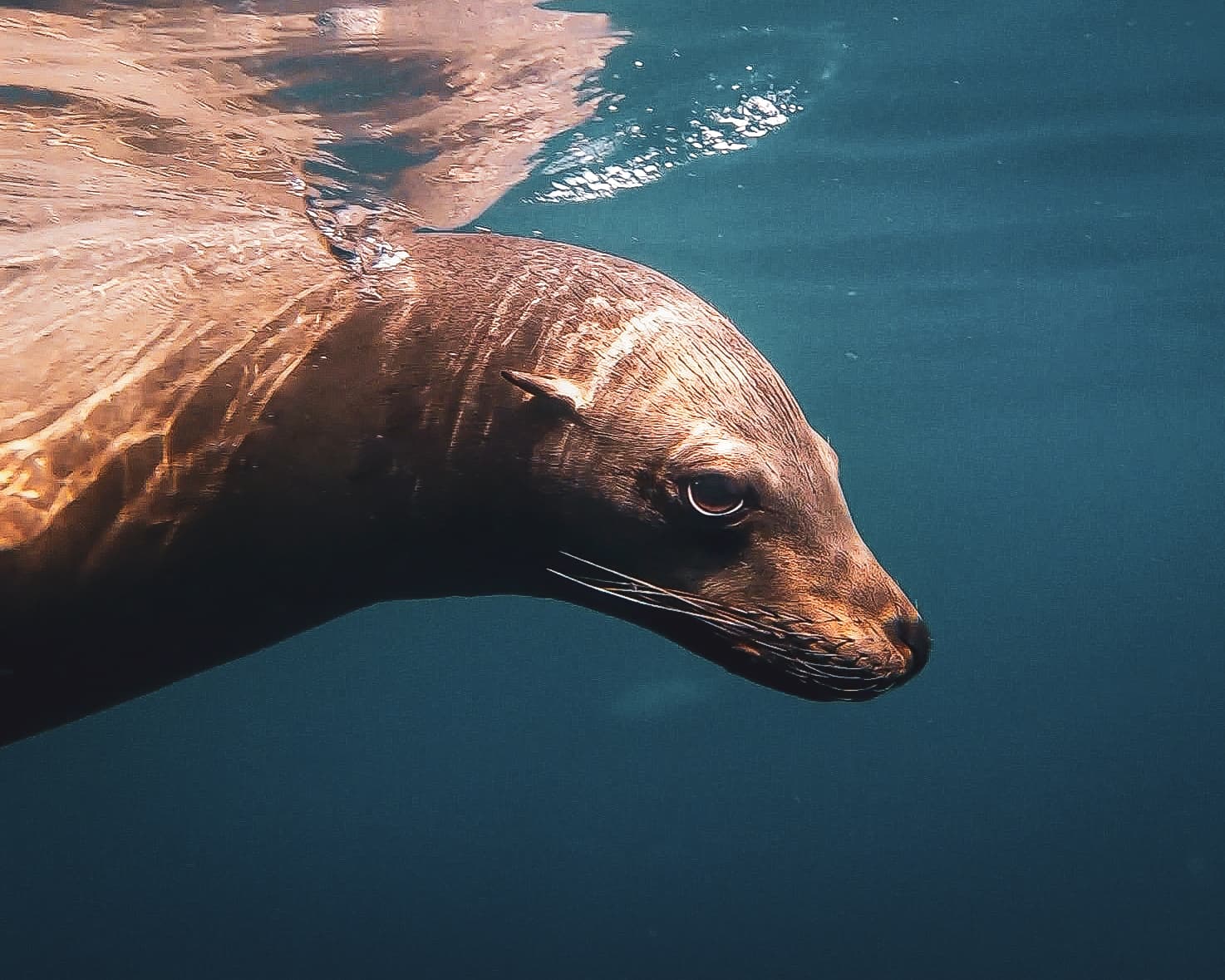
Marine wildlife
Whale sharks, whales, sea lions, mobula rays, marlin and more: how they live, what they eat and how to see them respectfully.
25 articles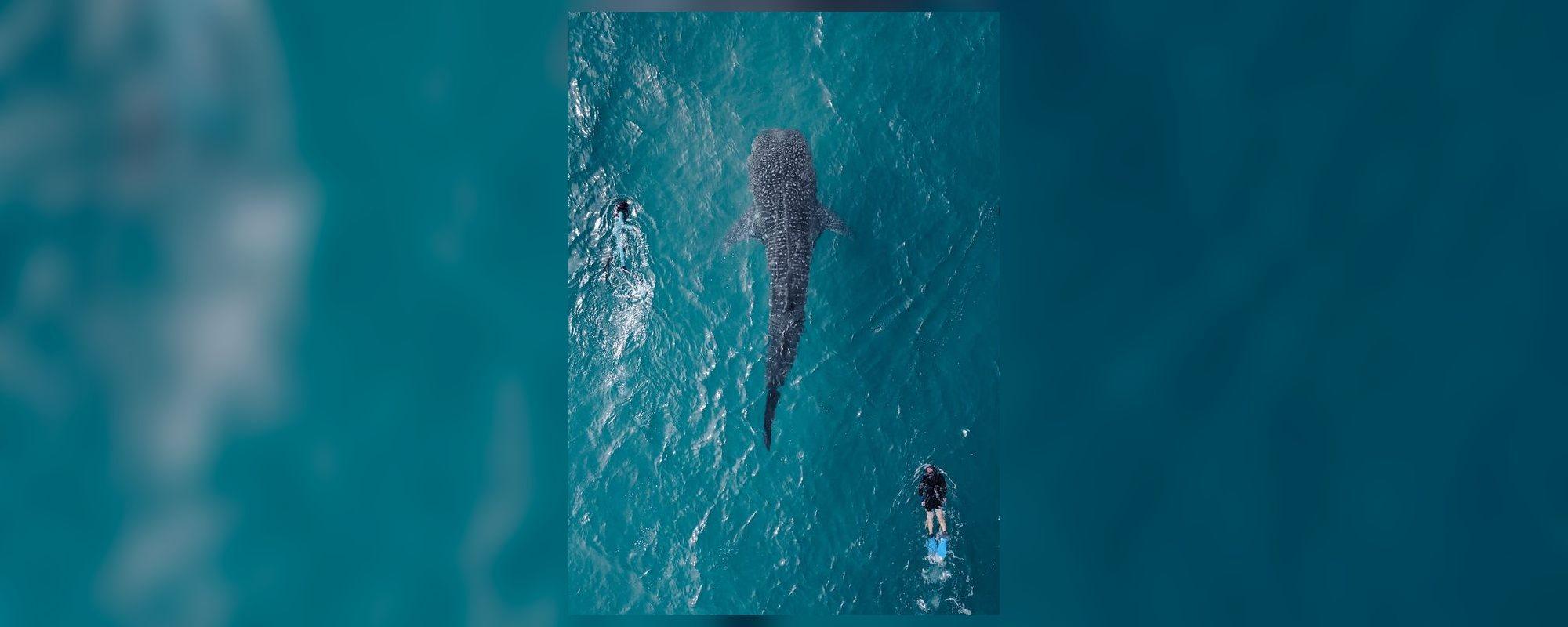
How big is a whale shark and how long does it live? What the science says
It's the biggest fish in the world, yet the La Paz ones are "babies" a few meters long. Sizes, age and why they grow so slowly.
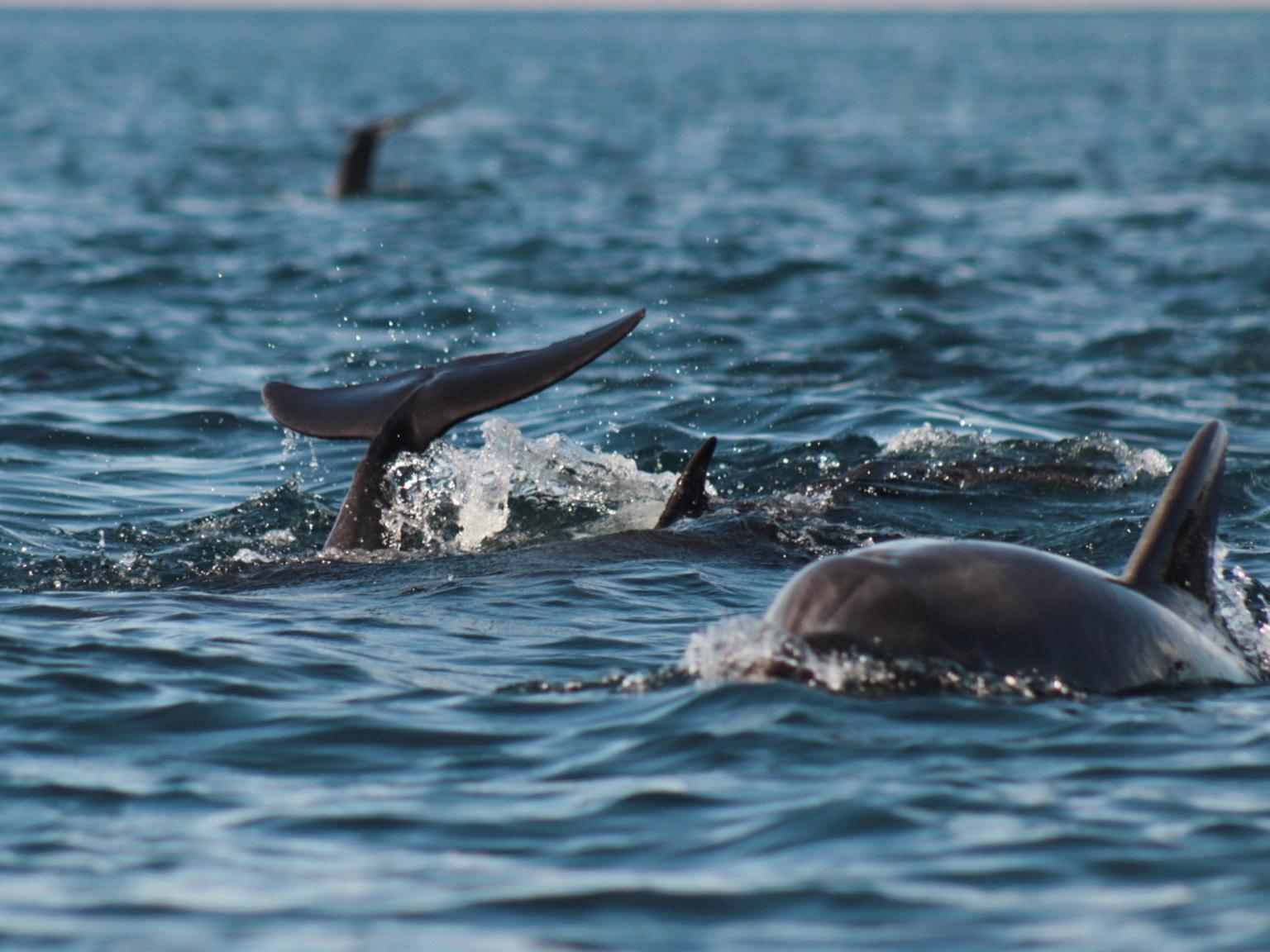
Which dolphins live in the Sea of Cortez and La Paz?
Common dolphins, coastal and offshore bottlenose, and other seasonal visitors. What studies of La Paz Bay show.

Sea turtles in Baja California Sur: which species live here and where to see them
Five of the seven sea turtle species use the waters of Baja California Sur. Here's which ones, what threatens them and how to see them respectfully.
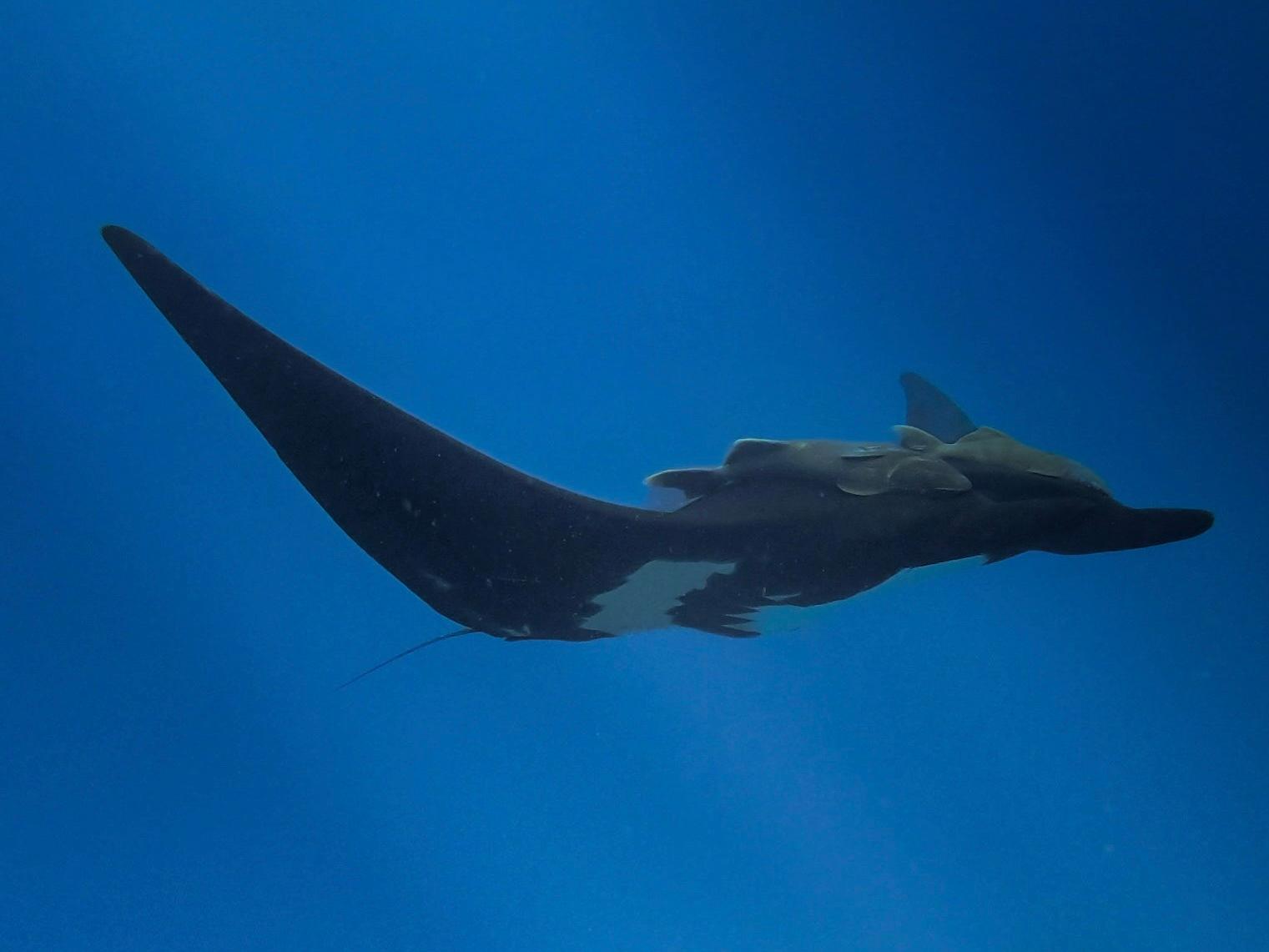
Giant manta vs. mobula ray: what's the difference?
They're close relatives, but one is an open-ocean giant and the other forms groups of thousands that leap out of the water. Here's how to tell them apart.
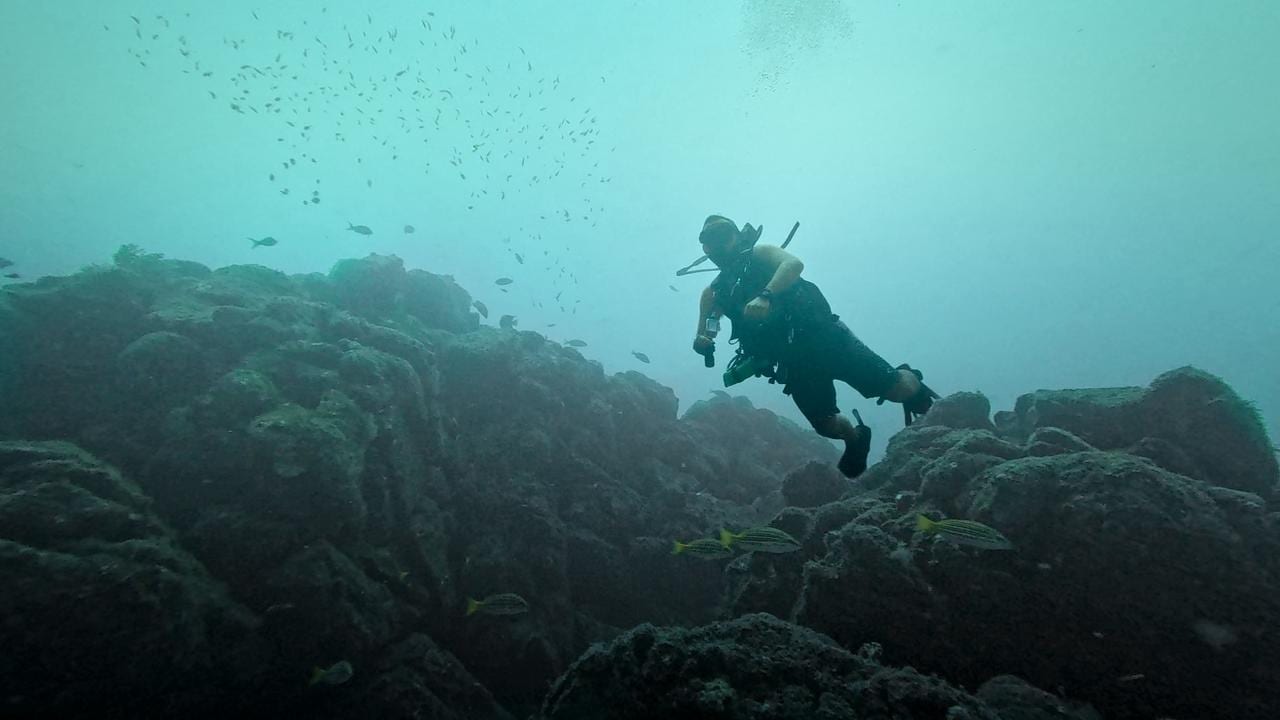
Which fish will you see snorkeling in La Paz?
Damselfish, rainbow wrasses, sergeant majors and schools of grunts: the most common fish on La Paz reefs and when there's the most variety.
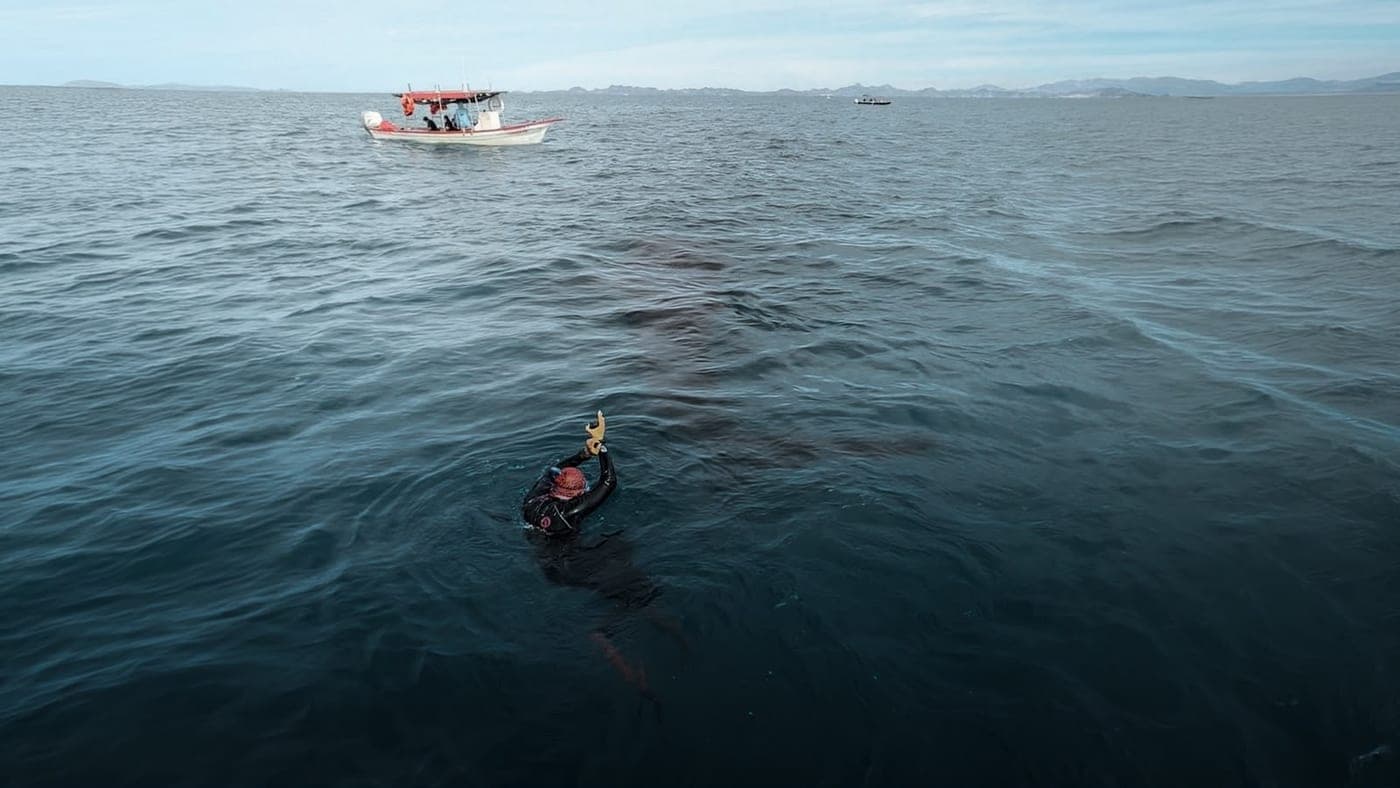
What do whale sharks eat? What they're after in La Paz
The world's largest fish feeds on some of the sea's smallest animals. This is what scientists found in La Paz Bay.
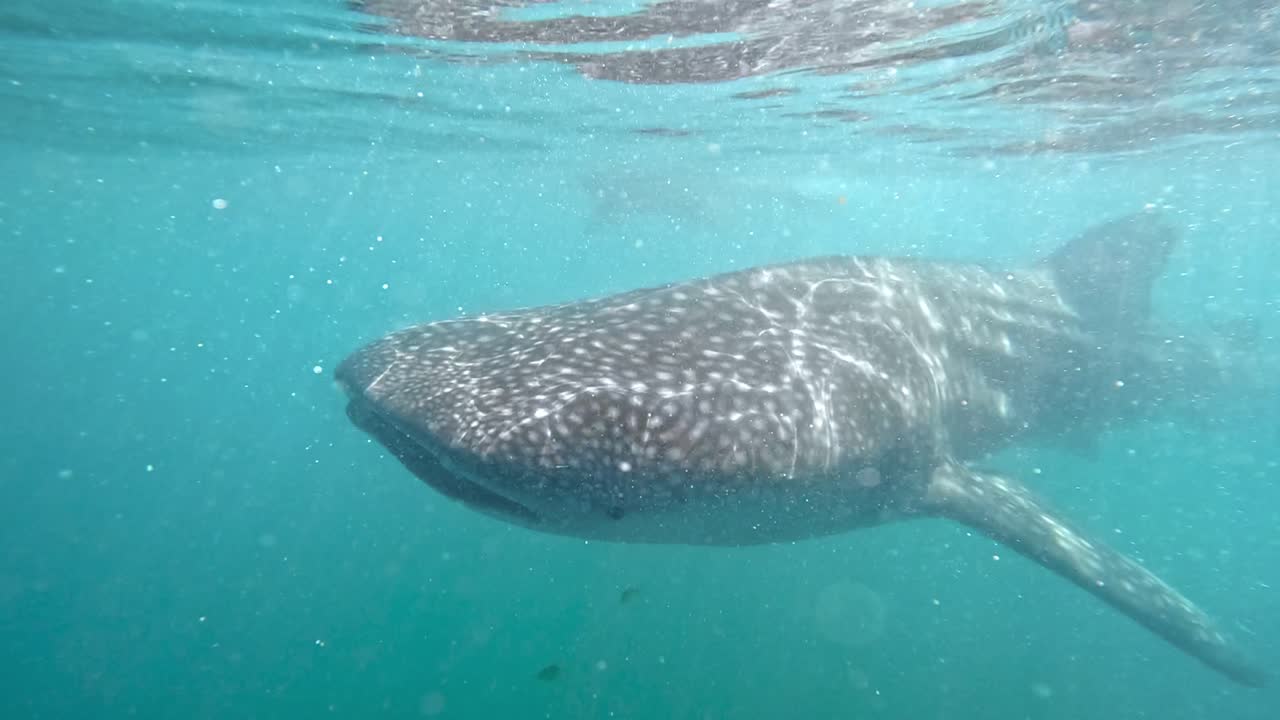
Why are there whale sharks in La Paz, and how many come each year?
Food, warm water and a possible nursery area: what science says about why they come to La Paz Bay.

Bull sharks in Cabo Pulmo: when to see them and what science says
When they show up, who stays the most and why even orcas hunt them in Cabo Pulmo.
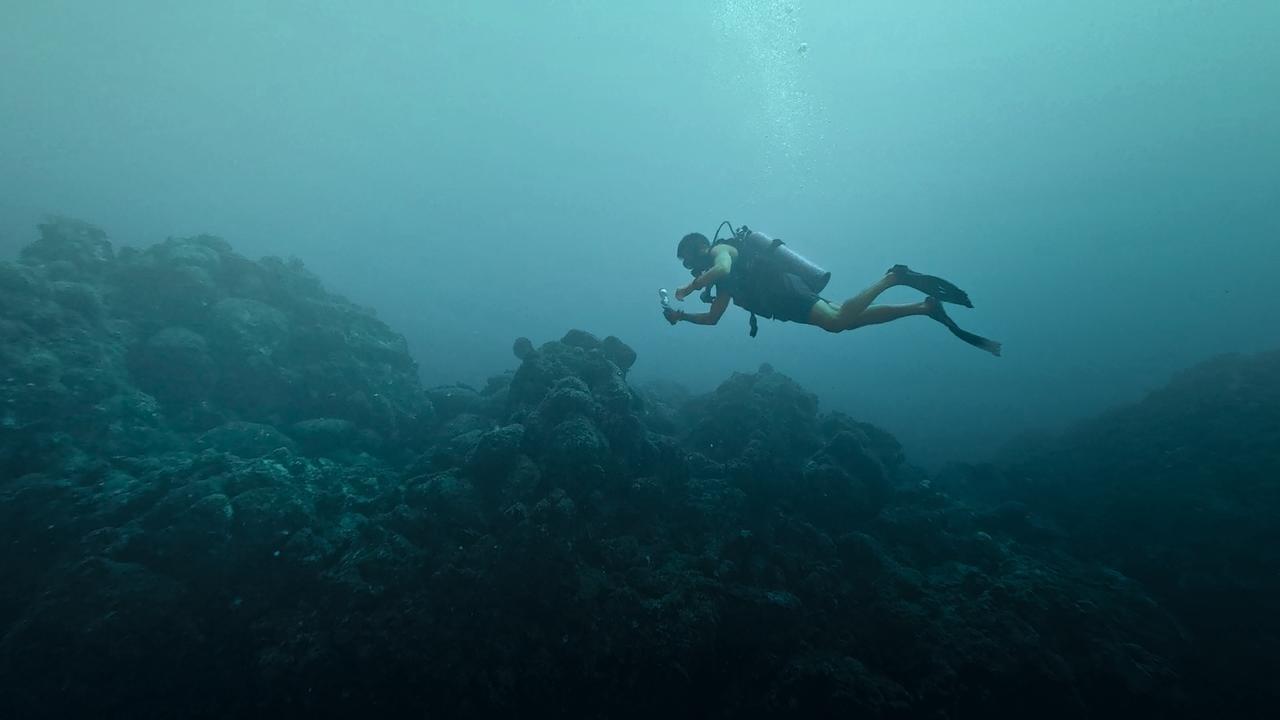
Hammerhead sharks at El Bajo de Espíritu Santo: La Paz's seamount
A seamount off La Paz made schooling hammerhead sharks famous. Here's what we know, and what has changed.
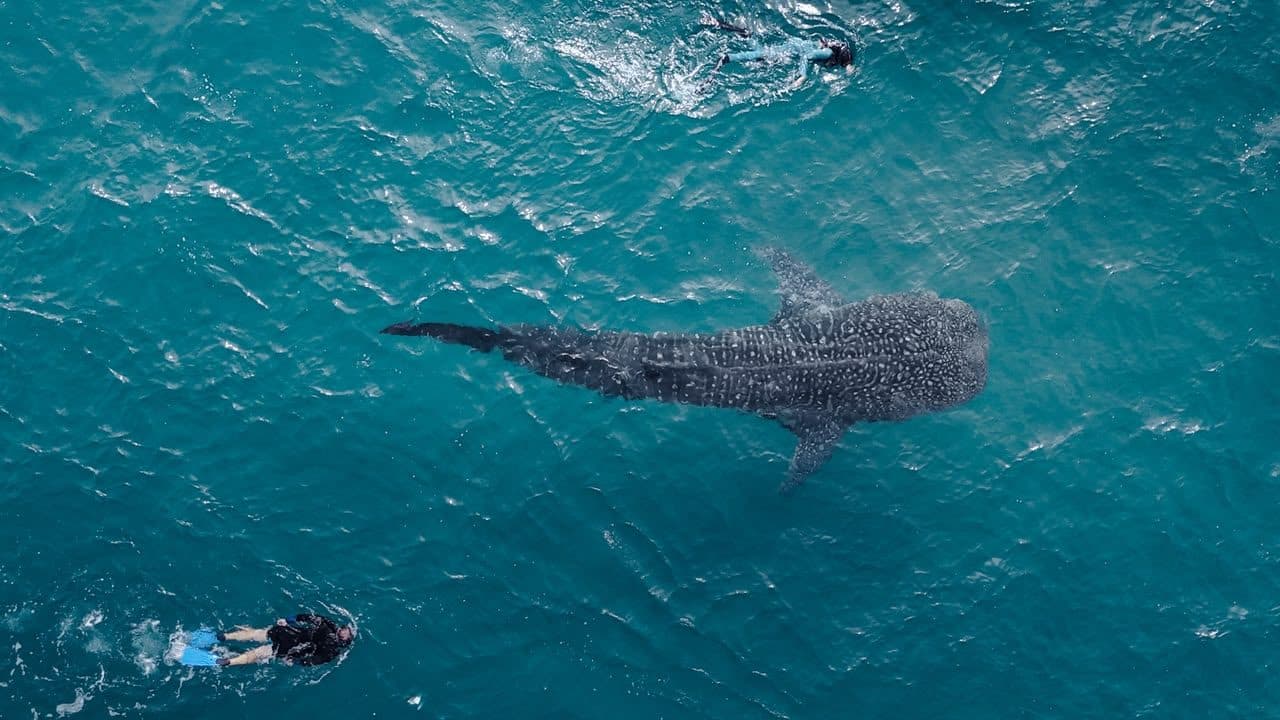
Are whale sharks dangerous? What they eat, how they behave and why they don't bite
Spoiler: they don't bite. They're filter feeders that eat tiny plankton. The only real caution is their tail, and the rules already account for it.
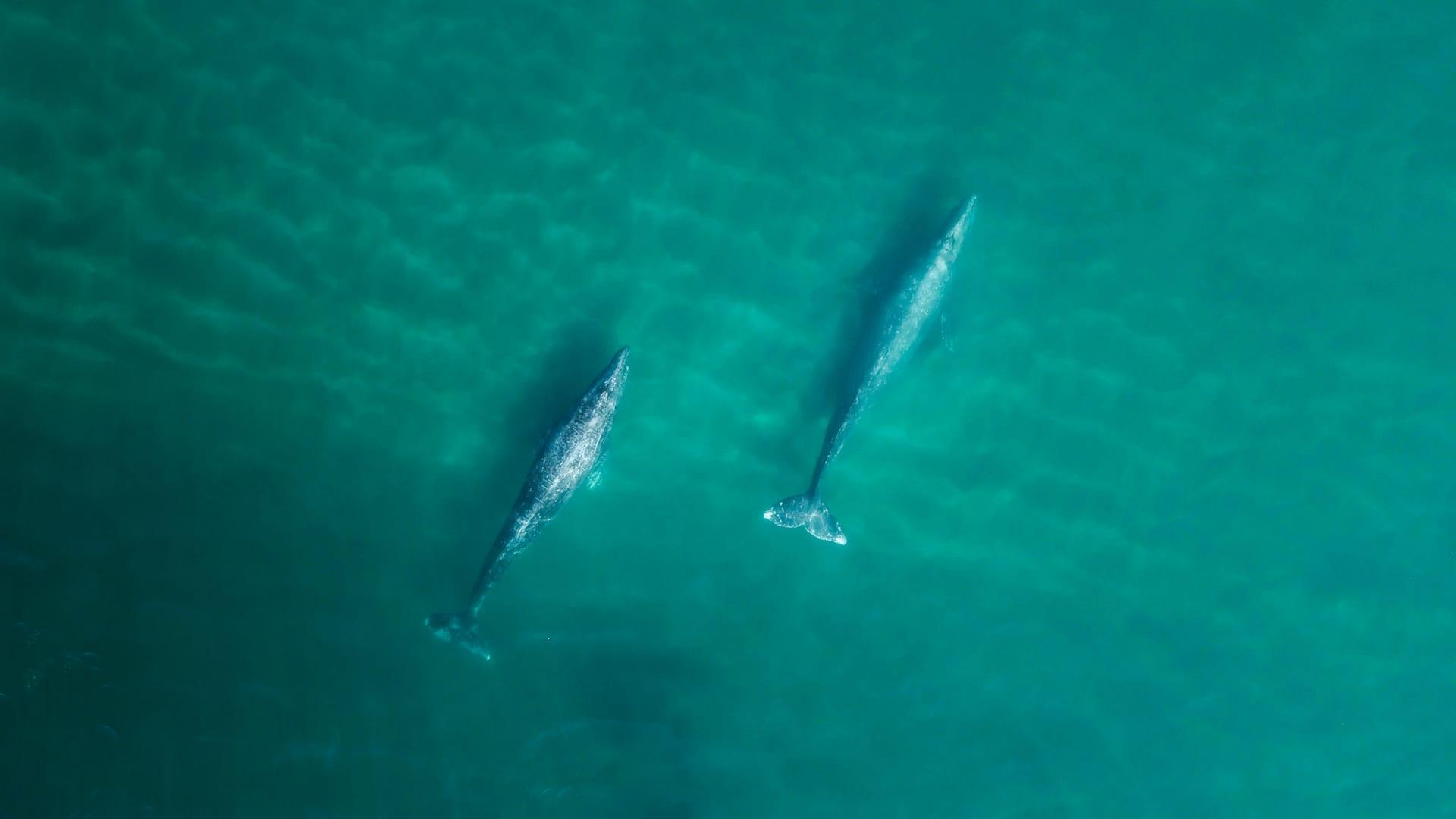
Why do gray whales travel all the way to Baja California? The longest migration, told by science
A whale named María swam 11,387 km in 149 days, from Los Cabos to Alaska. This is the story of one of the ocean's most incredible journeys.
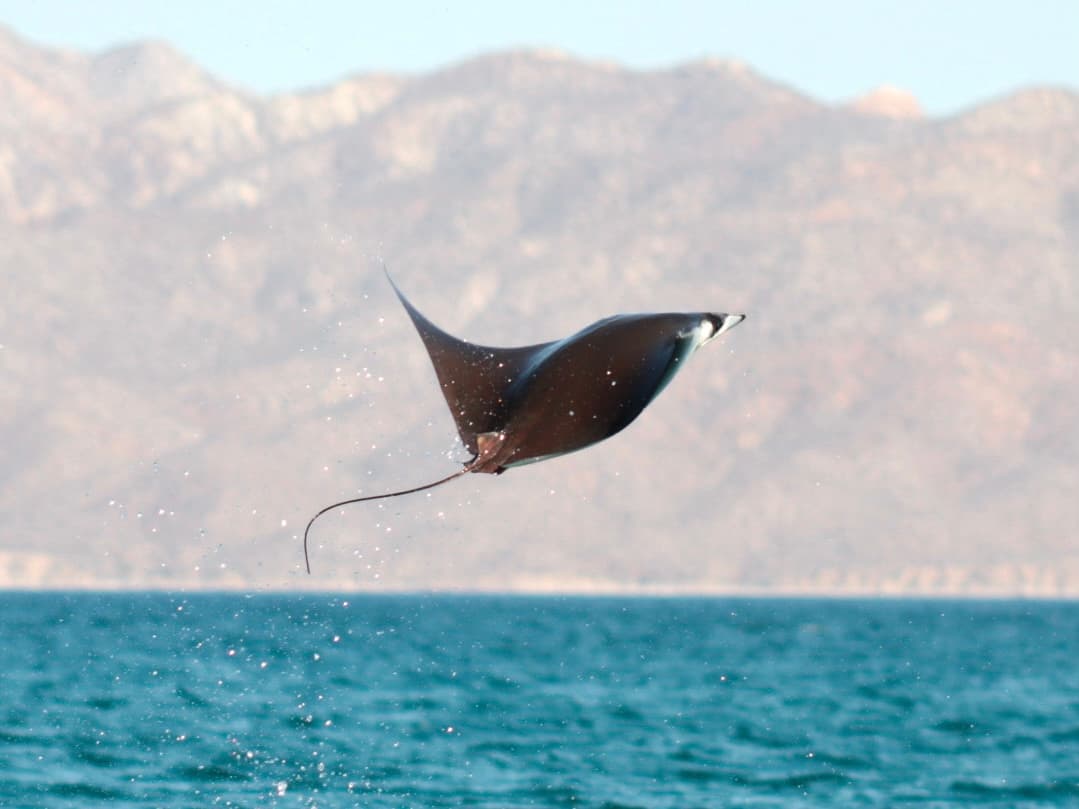
Why do mobula rays jump? What science knows (and what it doesn't yet)
Removing parasites, courtship, communication or stunning prey: there are at least ten hypotheses. The honest answer is that science still doesn't fully know.
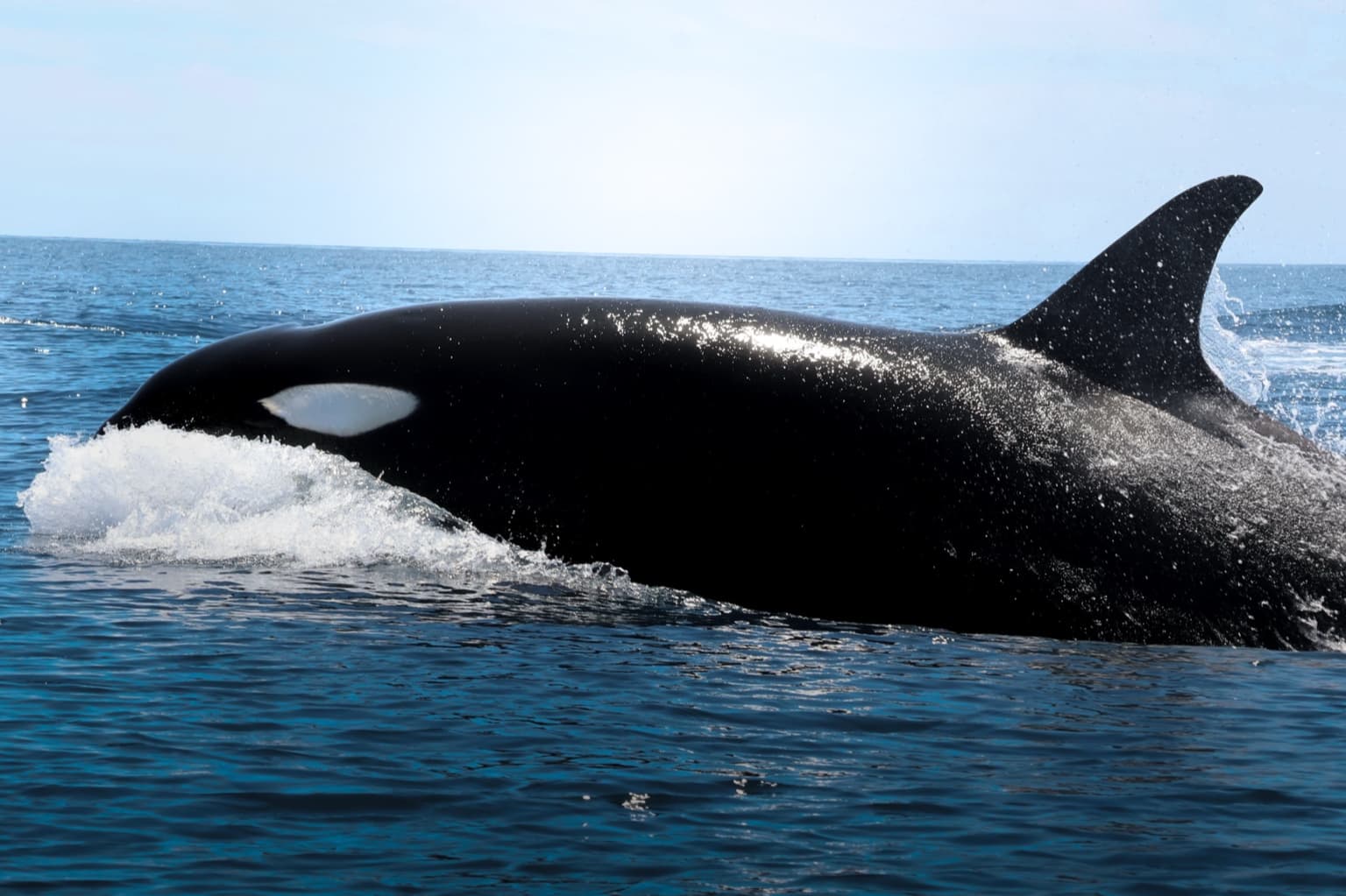
Are there orcas in the Sea of Cortez? Where they show up, what they hunt and how often you'll see them
They hunt fin whales and juvenile white sharks, and one pod seems to specialize in rays and sharks. The orcas of the Gulf of California are fascinating, and unpredictable.
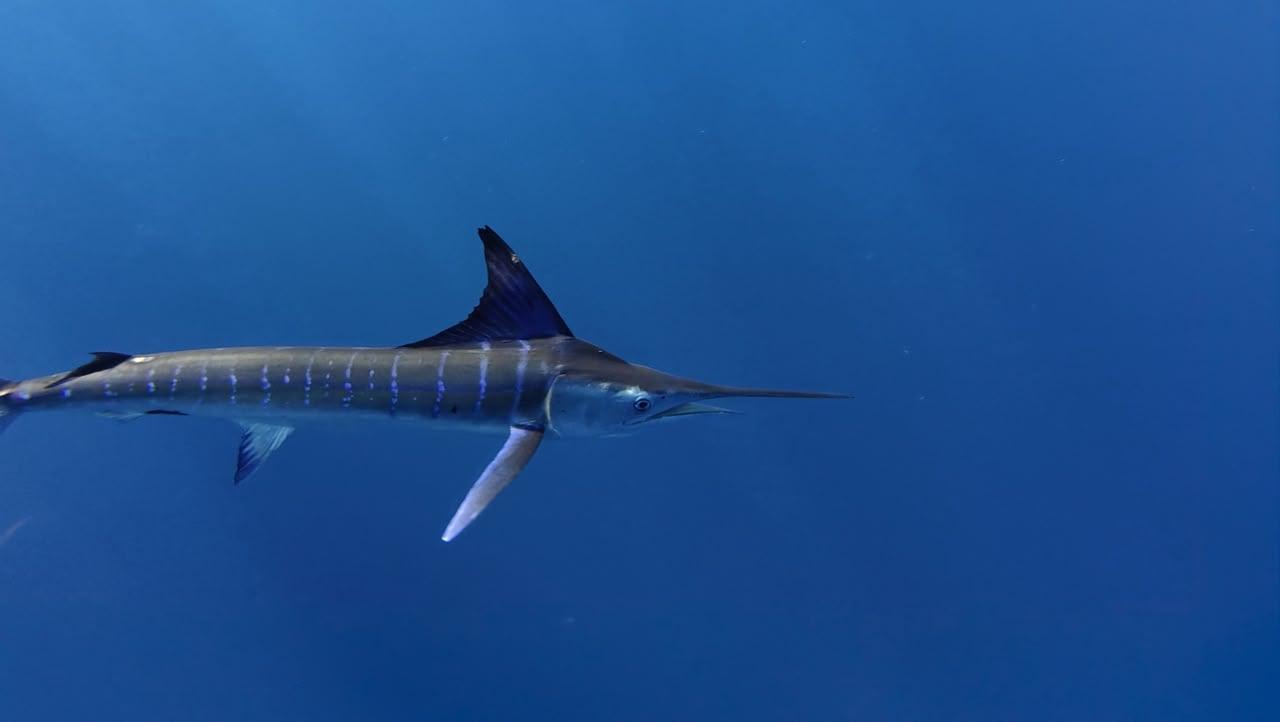
What is the Magdalena Bay Sardine Run? Marlin, sardines and the ocean in hunting mode
A ball of thousands of sardines, striped marlin slicing through it at full speed and birds diving from above. Here's what's behind the show, according to science.
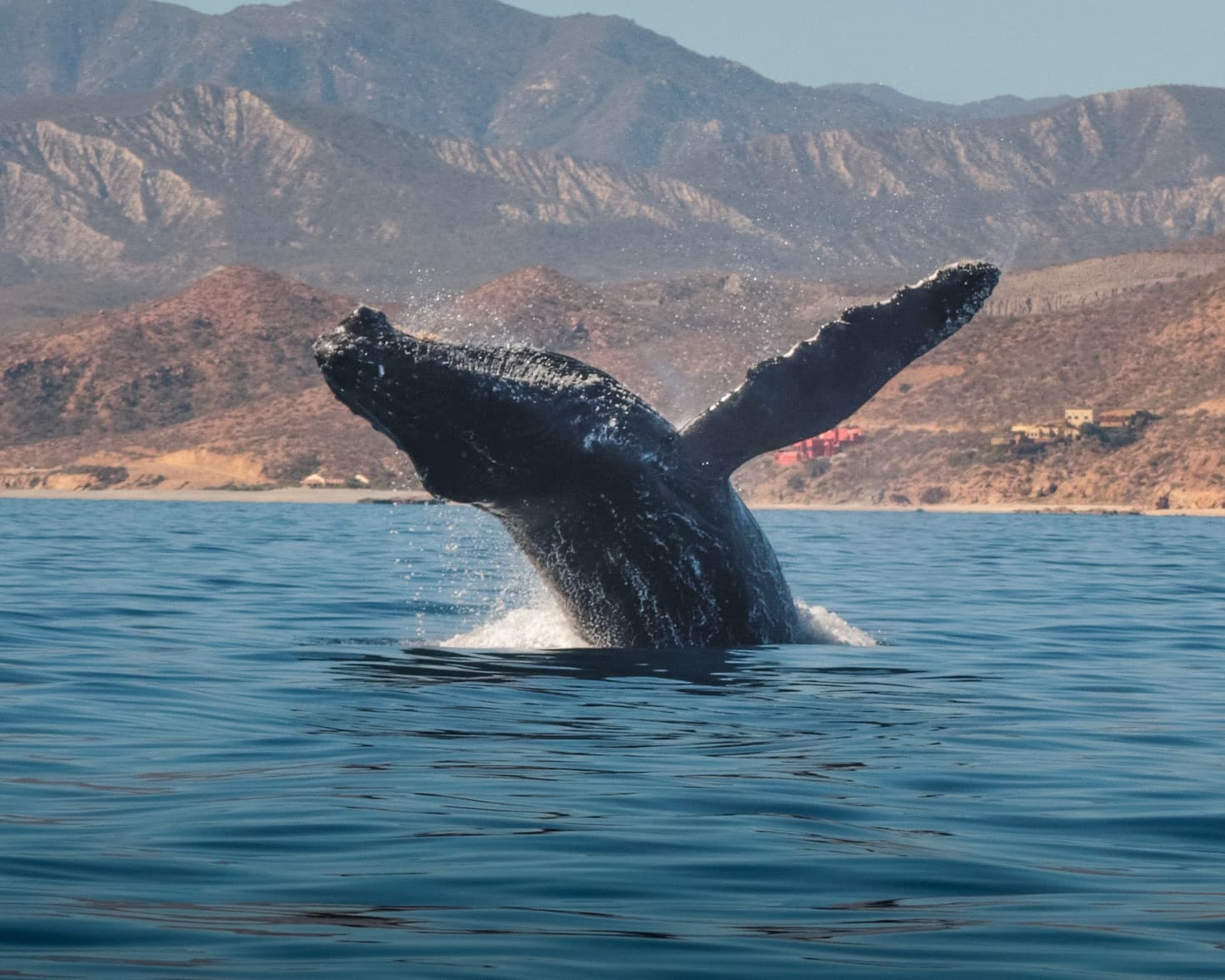
Which whales can you see in Baja California Sur, and when?
Gray, humpback, blue, fin and Bryde's: the Gulf of California and the Pacific side of Baja California Sur host some of the biggest whales on the planet.
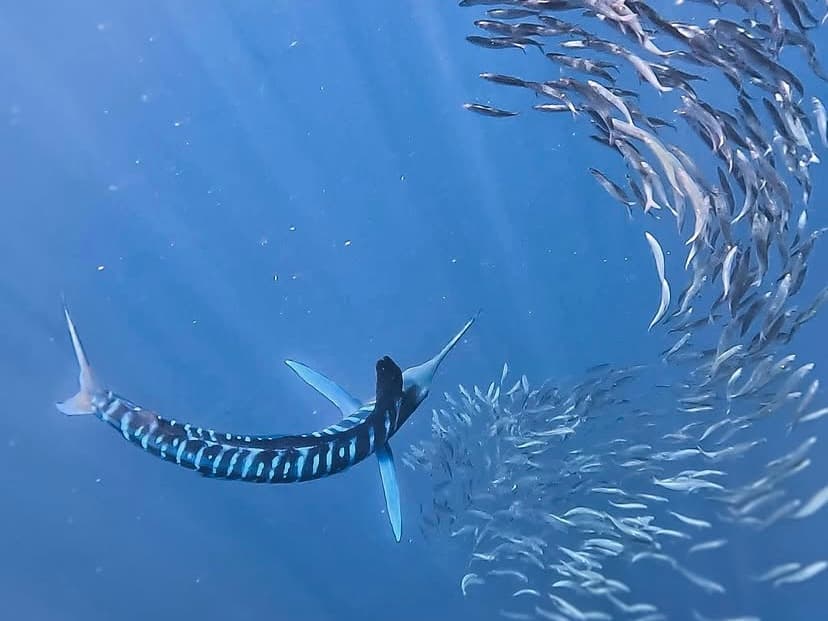
Striped marlin: the hunter of the Sardine Run (what it eats and how it hunts)
It eats about 2 kg a day, changes its menu with ocean temperature and stars in one of the most intense scenes in the Mexican Pacific.
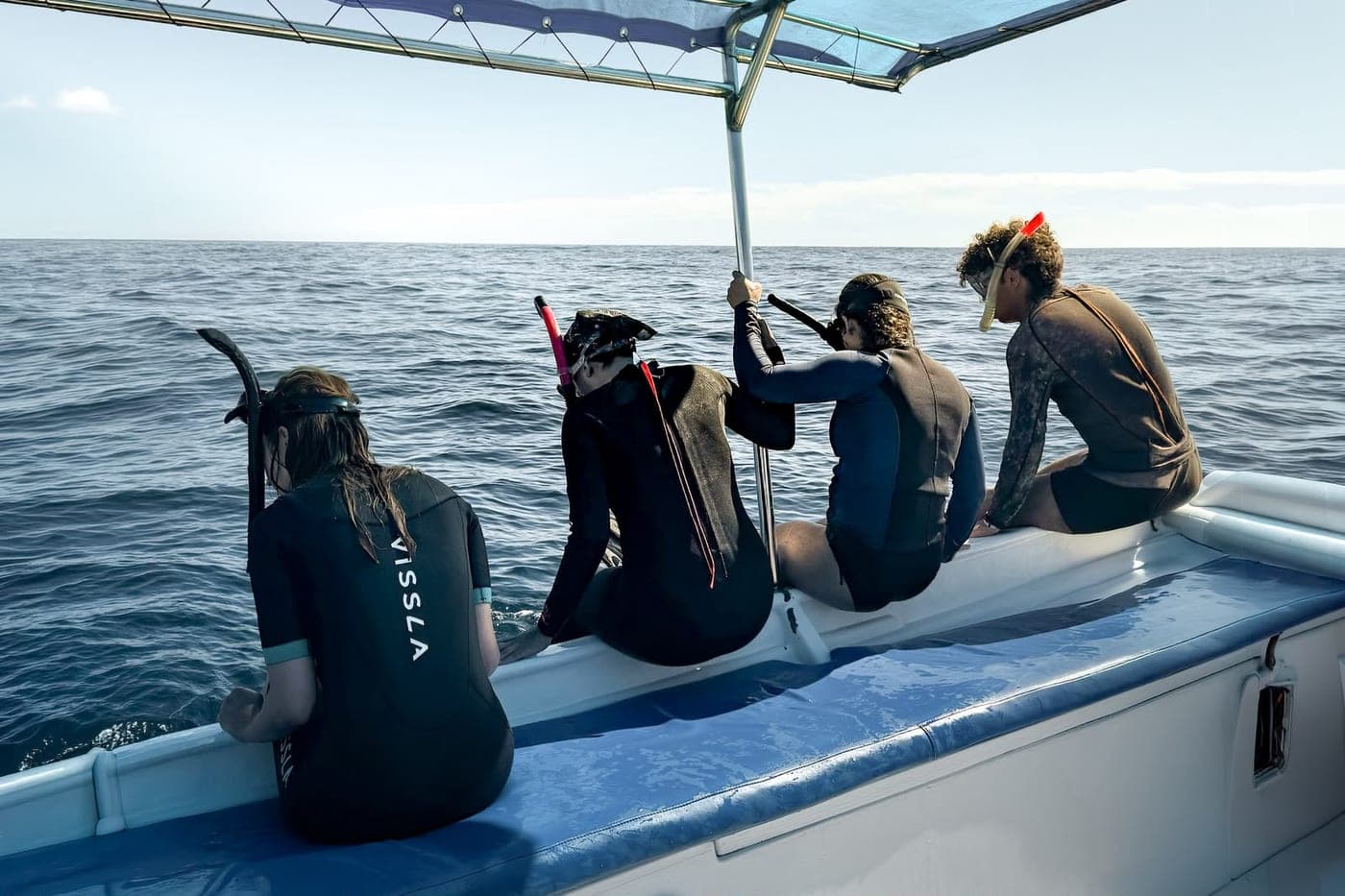
Why does the Sardine Run happen? The recipe: wind, cold water and millions of sardines
Before the marlin and the bait balls there's wind, cold deep water and microscopic plankton. Here's the full recipe, according to science.
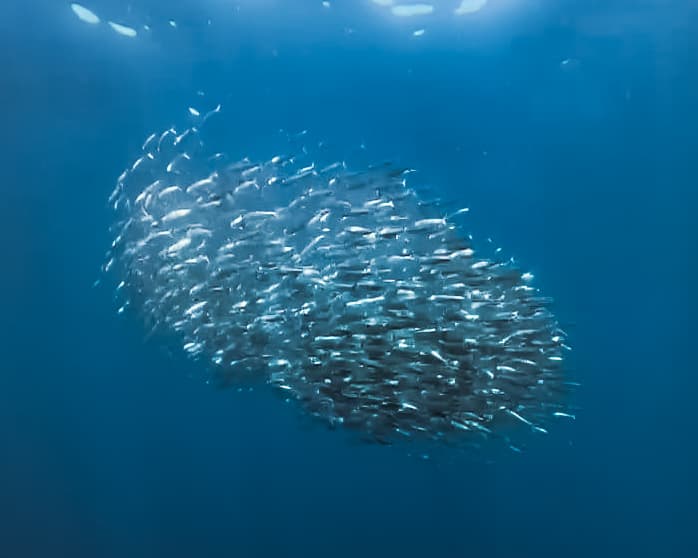
From phytoplankton to marlin: the Sardine Run food chain
A marlin eating 2 kg a day ultimately depends on algae you can't see. We walk through every link in the chain with real data.
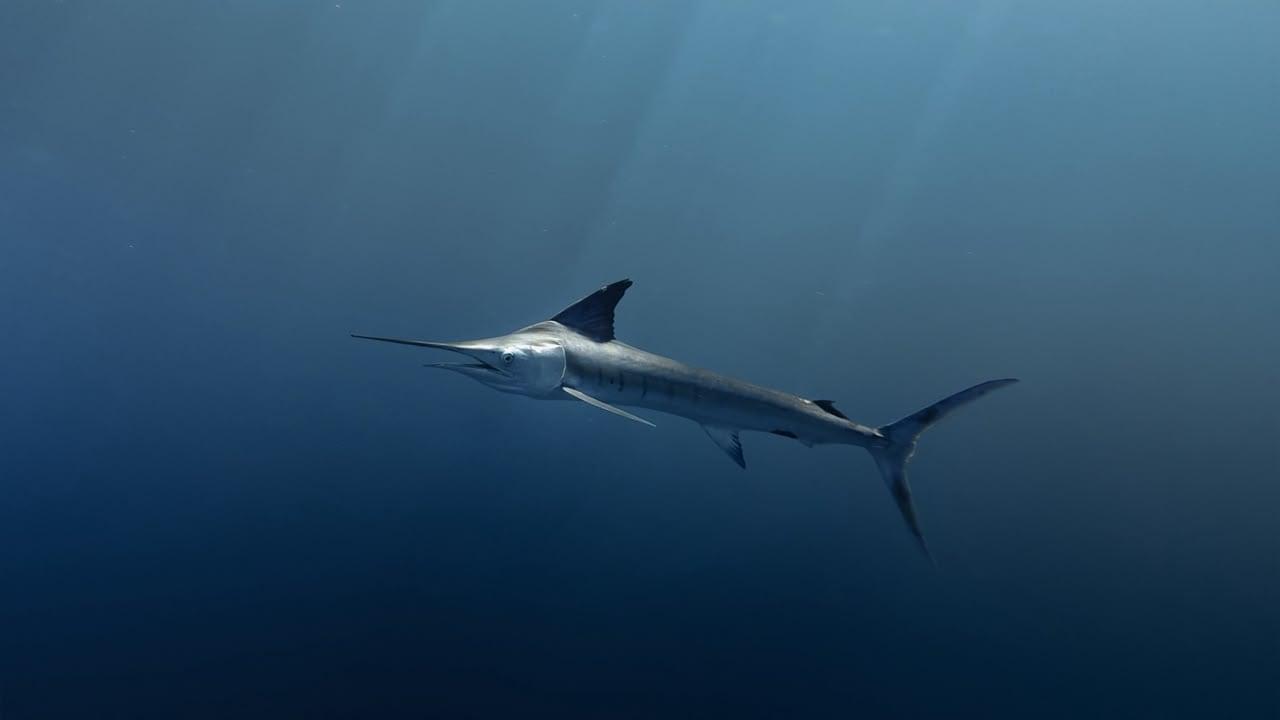
Why do sardines form bait balls? The science behind the school
A sardine ball looks like one giant animal. It's really thousands of fish following simple rules so they're not next. Here's how it works.
The Pacific sardine: the small fish that feeds the giants
It filters plankton, follows the tides, spawns in winter and feeds half the ocean. Meet the real star of the Sardine Run.
What animals do you see on the Sardine Run? A guide to Magdalena Bay's hunters
From the marlin that changes color to the sea lion that steals its food: meet every star of the Sardine Run, with data from scientific studies.
How do striped marlin hunt? Taking turns, changing color and a bill like a sword
Drones and high-speed cameras revealed how marlin hunt off Baja California Sur: taking turns, signaling with color and without the biggest always winning.
Sea lions on the Sardine Run: the ocean's most charming thieves
Playful at Los Islotes, opportunistic in open water: off Baja California Sur, sea lions steal food from marlin. Here's what science discovered.
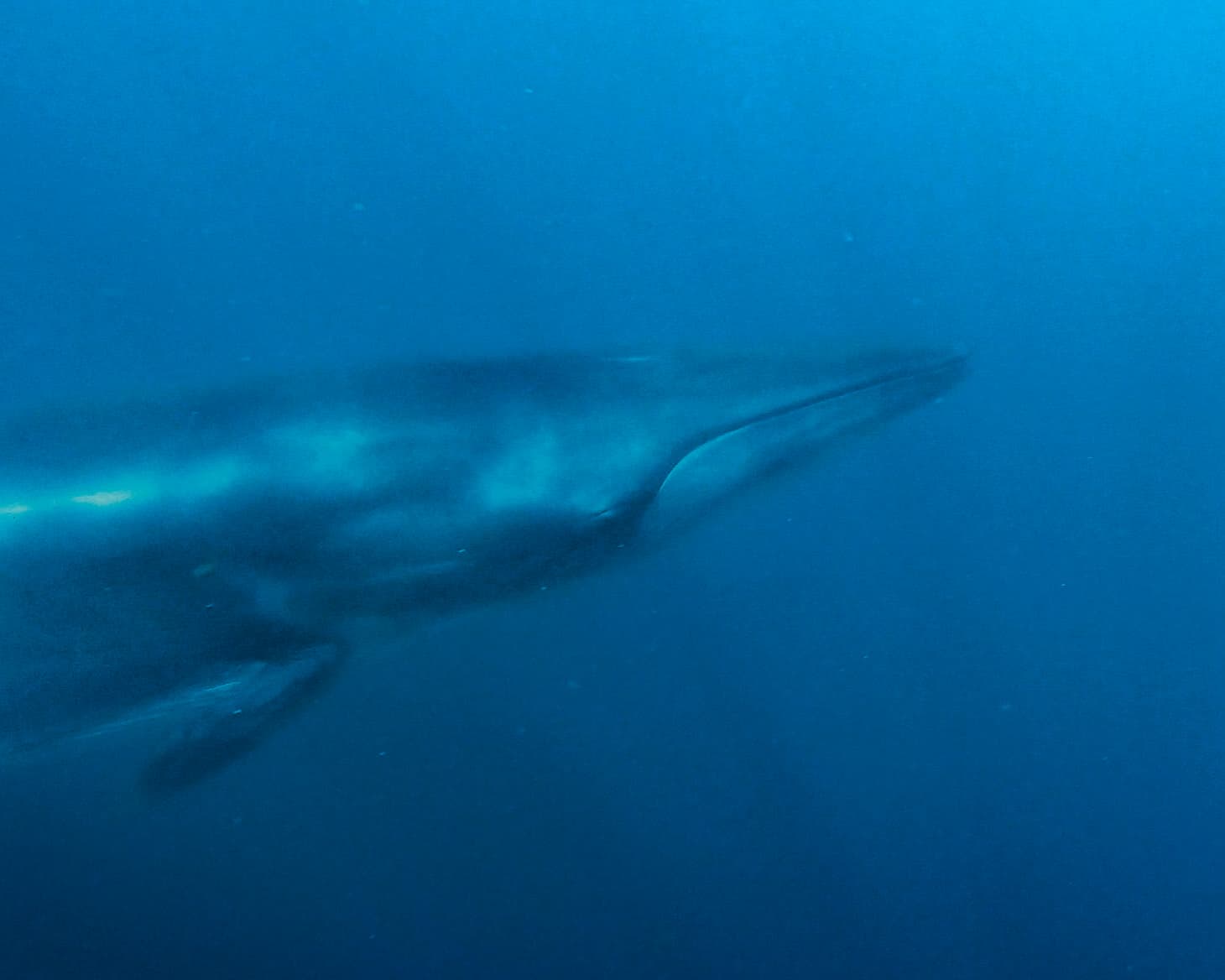
Bryde's whale: the whale that chases sardines
It doesn't migrate like the gray whale or sing like the humpback. The Bryde's whale follows the sardines, and sometimes shows up in the middle of the Sardine Run.
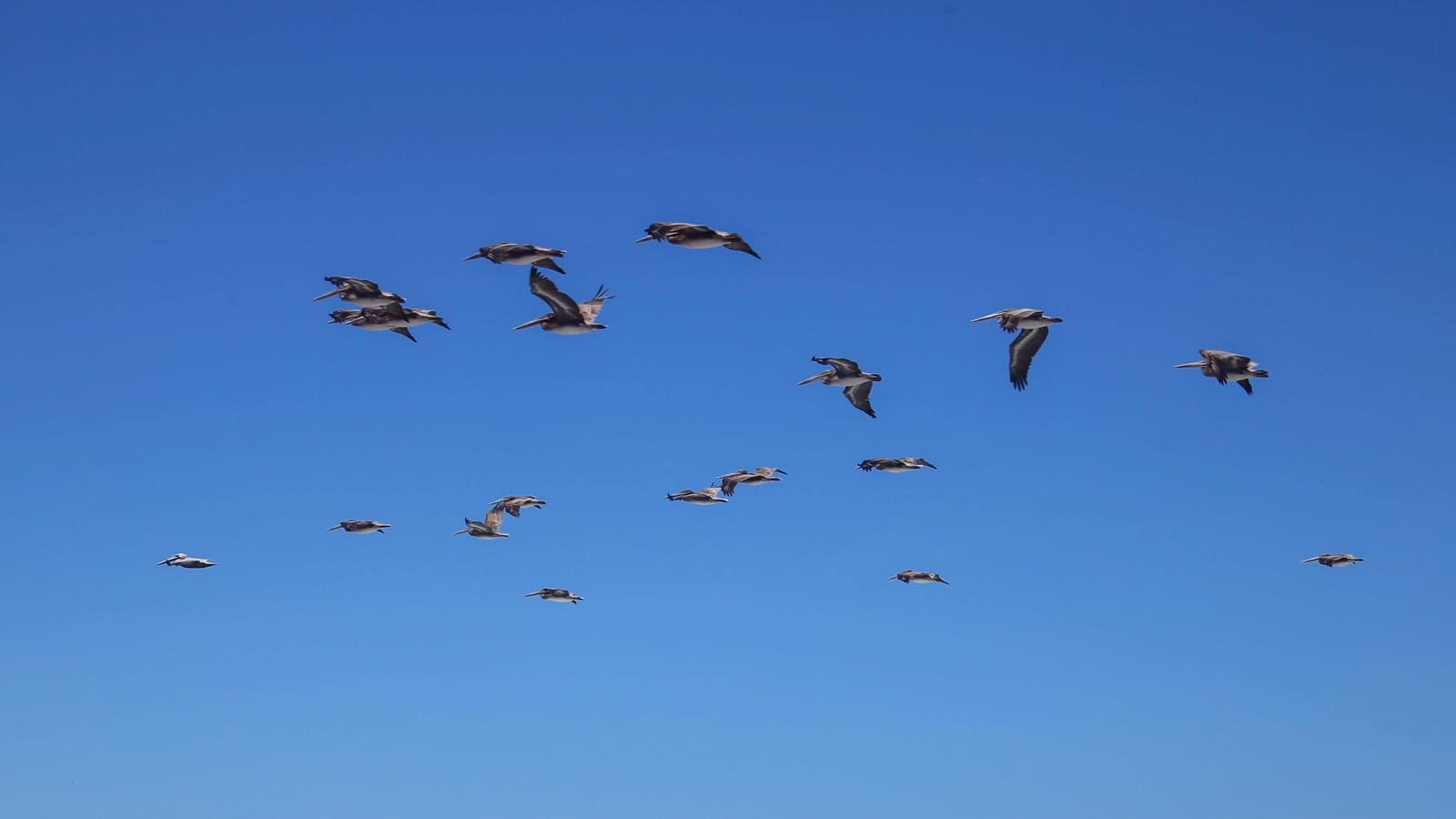
Birds of the Sardine Run: boobies, pelicans and frigatebirds, the lookouts in the sky
Before you see a marlin, you'll see birds diving. They're the best clue on the Sardine Run and, according to science, a gauge of the sea's health too.